


Technical Configuration and Proliferation Concerns
The International Atomic Energy Agency (IAEA) has confirmed that a nuclear reactor constructed under the government of former Syrian President Bashar Assad was configured to produce fissile material suitable for nuclear weapons, according to IAEA Director General Rafael Grossi. Speaking in Vienna on Monday, Grossi stated that the facility’s technical design was “very efficient” at generating materials that could be directly utilized for weapons fabrication.
The disclosure follows recent inspections in Syria, where IAEA experts gained access to both the site of a destroyed reactor in the eastern Deir el-Zour province and a previously undeclared location. Grossi characterized the reactor project as a “very serious proliferation concern” that had been hidden from international oversight for years.
Inspections and Uranium Discovery
Following the ouster of the Assad government in December 2024, the current administration invited the IAEA to verify suspected nuclear sites. During an August visit, inspectors discovered approximately 73 tonnes of natural uranium metal, stored in the form of fuel rods, at a site disclosed by Syrian authorities in a July 17 letter, as reported by The Associated Press.
Grossi described the inspection process as logistically challenging, noting that inspectors had to navigate narrow, obstructed passages and move through cluttered environments to reach the material. The uranium is now under IAEA safeguards, with remote monitoring cameras installed to ensure transparency.
Historical Context and Future Steps
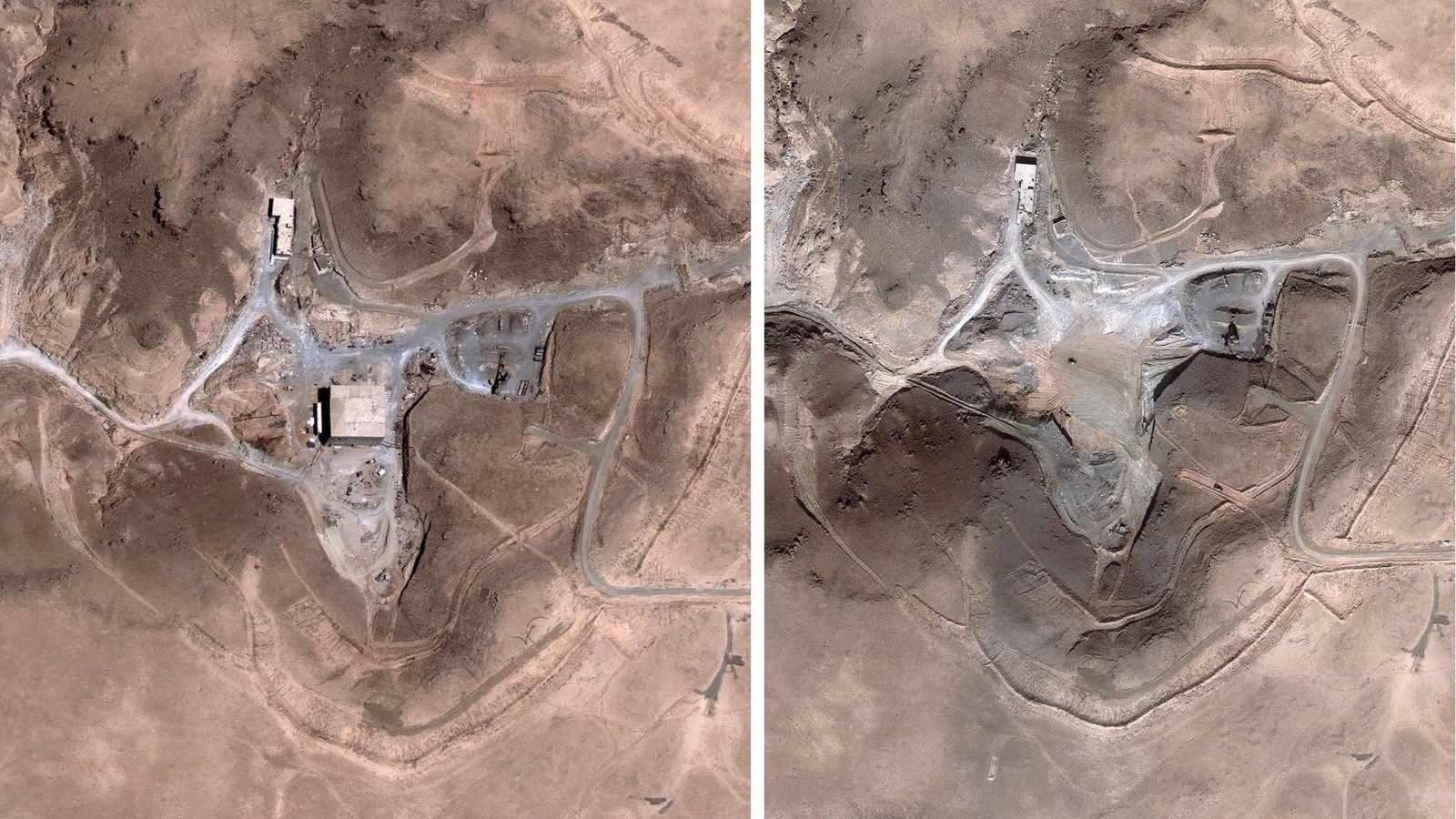
The Deir el-Zour site, which had been dormant for 18 years, was the subject of a top-secret Israeli airstrike in 2007. While the Assad government consistently denied the existence of a clandestine nuclear program, US officials confirmed in 2008 that the site was intended to be a nuclear reactor. According to AFP, the reactor was nearly complete before it was neutralized.
Regarding the future of the 73 tonnes of natural uranium, Grossi stated that the decision to relocate or retain the material rests with the Syrian government. Experts from the Nuclear Threat Initiative noted that while natural uranium is not directly usable for a weapon, it requires secure handling and could eventually be reprocessed or stabilized for civilian energy use, provided international security protocols are strictly followed.