


Strategic Contraction Amid Financial Headwinds
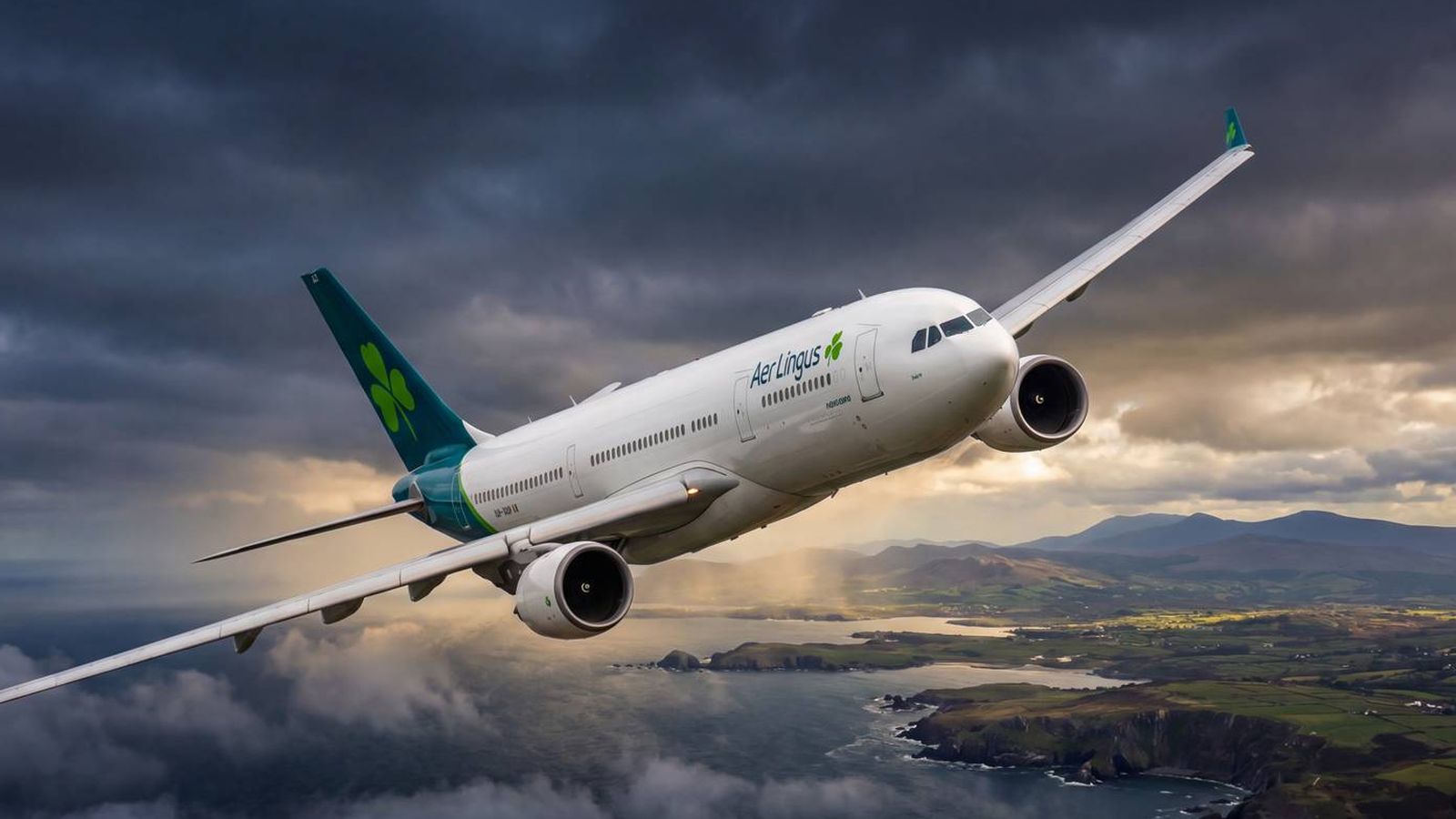
Irish flag carrier Aer Lingus has announced a significant restructuring program aimed at stabilizing its financial position following a €103 million loss in the first quarter of 2026. The airline confirmed it is proposing up to 500 redundancies—representing approximately 8% of its total workforce—and a 6% reduction in its overall flight capacity.
According to the company, the cuts are designed to secure long-term investment prospects within its parent group, IAG, with management targeting an operating margin of 12% to 15%. The proposed redundancies include 290 head office roles in Dublin, 140 cabin crew positions, and 70 pilot roles. A formal consultation process with employees and trade unions is set to commence immediately, with the airline aiming to minimize compulsory departures through voluntary measures.
Network Optimization and US Route Suspensions
The restructuring includes a targeted reduction in network capacity, focusing on underperforming long-haul routes. Aer Lingus will terminate services from Dublin to Denver (DEN), Las Vegas (LAS), and Minneapolis-St. Paul (MSP). The Denver route will conclude on September 28, followed by Minneapolis on October 24, and Las Vegas on December 3, 2026.
Data indicates that these routes struggled with low load factors, with some months seeing seat occupancy rates below 50%. Additionally, the airline will transition its Seattle (SEA) service to a seasonal model. The move reflects a broader trend of carriers retreating from thin, high-competition routes as fuel costs remain elevated due to ongoing geopolitical instability in the Middle East.
Market Analysis: Competition and Economic Stakes
The decision to exit these markets underscores the volatility of the transatlantic sector. In Minneapolis, the airline faced intense pressure from Delta Air Lines, which aggressively matched capacity on the route, leading to a race to the bottom in pricing that proved unsustainable for Aer Lingus. While the airline successfully captured market share with low-fare offerings and its Dublin stopover program, the thin margins could not withstand the combined weight of high fuel prices and competitive capacity.
The current restructuring is the latest in a series of cost-control measures, following the closure of the airline’s Manchester base earlier this year. As Aer Lingus navigates this transition, the focus remains on protecting its core profitability. The airline’s ability to pivot toward more lucrative markets while managing its workforce challenges will be a critical indicator of its recovery trajectory throughout 2027.