


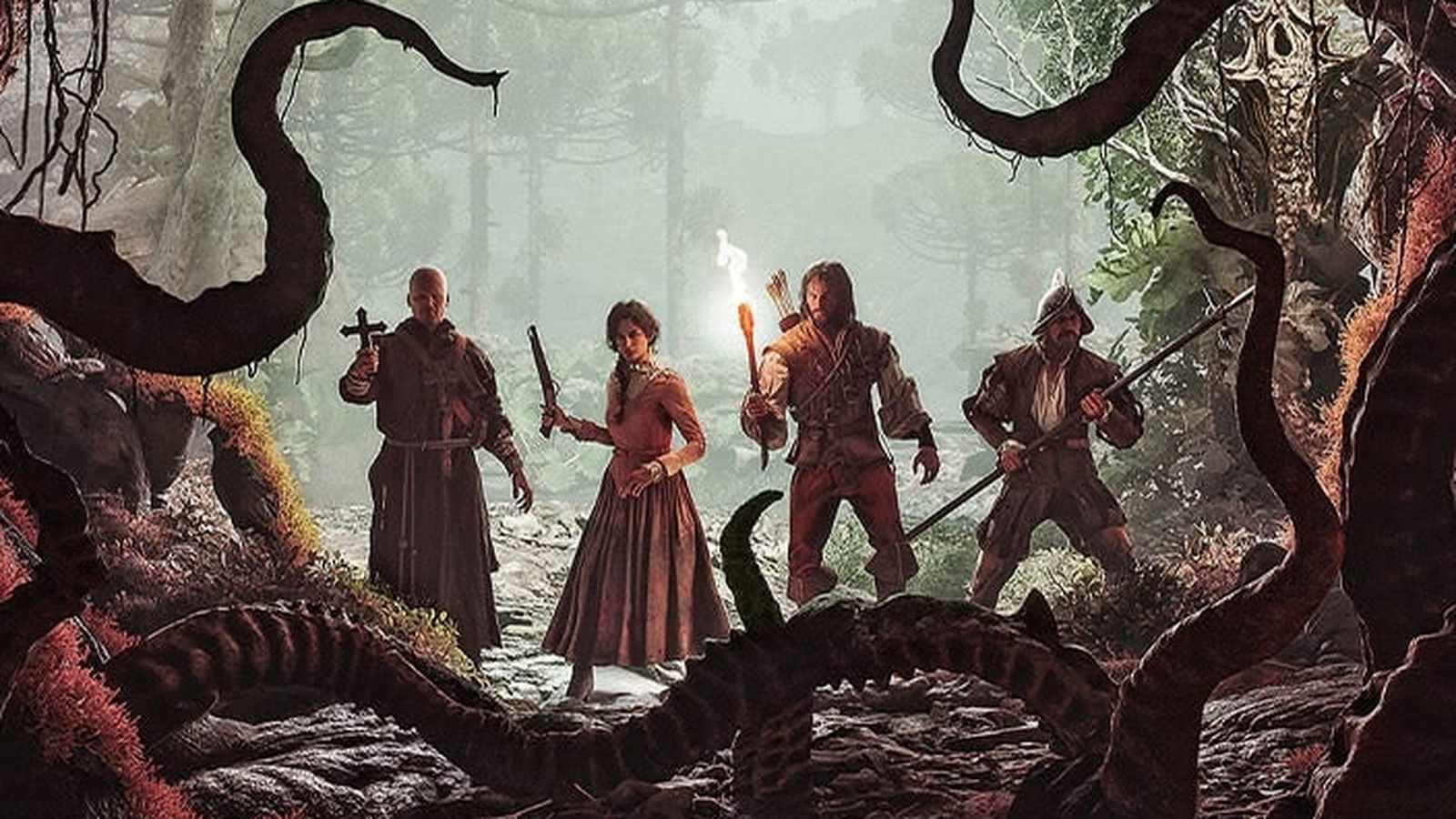
The cooperative survival horror title The Mound: Omen of Cthulhu has drawn attention for its intense gameplay mechanics set in the 1600s Chilean wilderness. According to recent reviews, the game successfully blends Cthulhu-mythos horror with strategic team-based survival, but its unforgiving difficulty curve remains a significant point of contention for the player base.
The game tasks players with managing resources and navigating dangerous tombs, featuring unique “madness mechanics” that can distort reality—such as enemies mimicking party members. While these elements contribute to an immersive atmosphere, the scaling system often creates barriers to entry. When high-level hosts invite newcomers, the game scales difficulty to the host’s level, frequently overwhelming inexperienced players who lack the necessary gear or strategy to survive.
Furthermore, the title heavily favors cooperative play, as AI-controlled companions prove largely ineffective for solo attempts. Players have noted that while the narrative depth and enemy design are commendable, the current reward structure—which often feels superficial—fails to compensate for the frustration of losing resources during punishing missions. As the game continues to evolve, critics suggest that a re-evaluation of difficulty scaling and solo-play accessibility will be essential to ensure long-term engagement.