


Breaking the Neolithic Paradigm
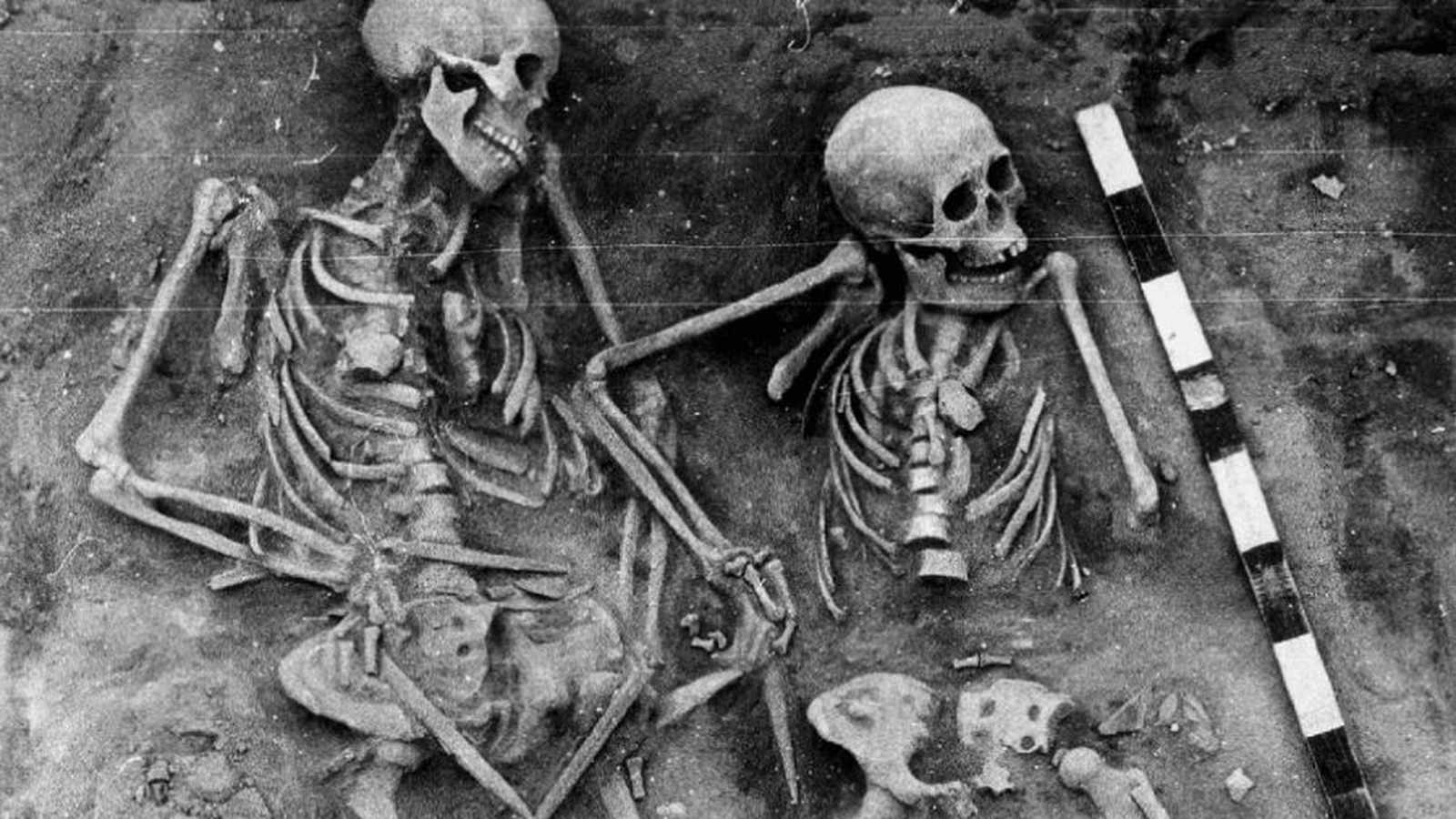
A new genomic study published in the journal Nature has identified the oldest known evidence of Yersinia pestis—the bacterium responsible for the plague—in the remains of nomadic hunter-gatherers in Siberia. Dating back approximately 5,500 years, the discovery of this pathogen in individuals from four prehistoric cemeteries near the Angara River challenges the long-standing theory that the plague only emerged as a major threat with the rise of high-density Neolithic farming settlements.
Led by Ruairidh Macleod of the University of Oxford, the research team analyzed the DNA of 46 skeletons. They found that at least 18 individuals had been infected. Previously, the scientific consensus held that for infectious diseases like the plague to devastate entire communities, human populations needed to live in dense, sedentary environments where rats and domestic animals facilitated transmission. This Siberian evidence contradicts that model, as the victims were part of highly mobile, small-scale groups.
Epidemiological Implications
The findings indicate that these ancient hunter-gatherers likely contracted the disease through contact with wild animals, specifically marmots, which were a food source in the Lake Baikal region. Notably, the strain of Yersinia pestis found in these remains lacks a specific gene that allows modern plague bacteria to survive in fleas. This suggests that the early transmission mechanism may have been direct animal-to-human contact, or even human-to-human transmission, rather than the flea-vector model that defined later historical pandemics such as the Black Death.
“The fact that we’re finding this happening in an isolated group of prehistoric hunter-gatherers challenges that epidemiological theory,” Macleod noted. The data also show that the infections were not isolated cases; rather, they appear to be part of structured transmission chains within small familial groups, with a significant number of victims being children between the ages of 8 and 11.
Revisiting History
For decades, archaeologists have sought to understand the high mortality rates observed in these Siberian burial sites. The confirmation of the plague as the culprit provides a grim explanation for the sudden loss of life in these communities. By pushing the timeline of the plague back to 5,500 years ago—predating the previous 5,000-year-old record found in Latvia—this study forces a shift in how researchers view the evolution of zoonotic diseases. It suggests that humanity’s struggle with the plague is not merely a consequence of civilization and urban density, but a far more ancient relationship with the natural world.