


Proposed Changes to Business Rates
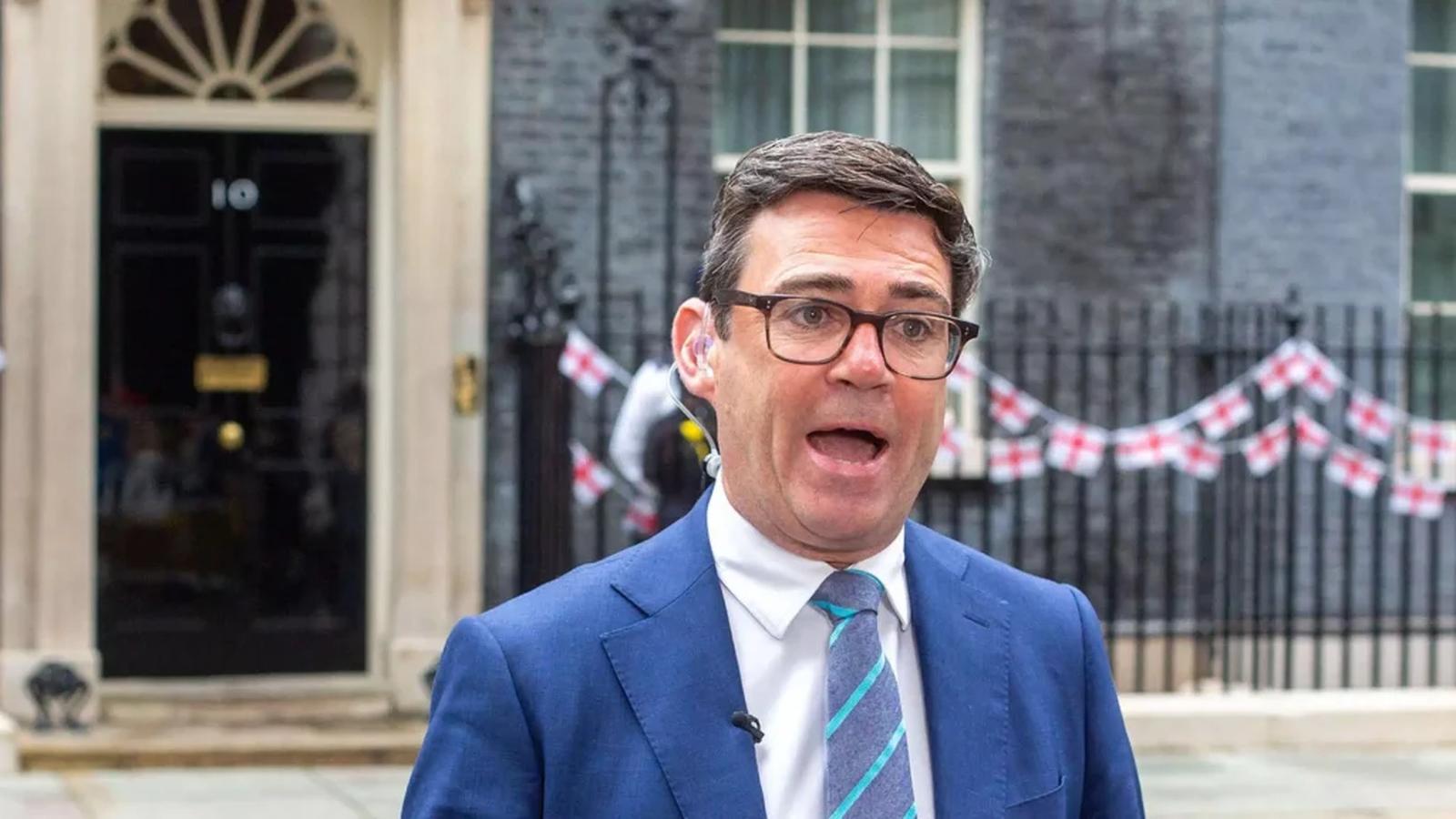
Andy Burnham has reiterated his proposal to reform business rates in England, aiming to provide significant relief to small businesses and high street retailers. The plan, which was first outlined during the Makerfield by-election and recently discussed on LBC, proposes increasing the threshold for 100% Small Business Rates Relief from a rateable value of £12,000 to £18,000. Additionally, the upper threshold for taper relief would rise from £15,000 to £21,000.
According to analysis by global tax firm Ryan, these changes could lift more than 140,000 additional small premises out of paying business rates entirely. However, the firm estimates that the proposal would reduce total business rates liabilities by approximately £880m annually.
Funding and Economic Concerns
Burnham has argued that the cost of these reliefs should be offset by higher taxation on “online giants” and large warehouses located on the outskirts of cities. He maintains that such a shift would support local high streets, which have struggled under current tax burdens. This approach aligns with existing business rates reforms introduced in April, which included a 2.8p surtax on properties with rateable values exceeding £500,000.
Despite the intended benefits, tax experts have raised questions regarding the feasibility of the plan if it must remain revenue neutral. Alex Probyn, practice leader for Europe and Asia-Pacific property tax at Ryan, noted that while supporting small businesses is a positive objective, the mechanism for funding is critical. “The concern is how that is funded if things have to be revenue neutral,” Probyn stated. “Larger commercial properties are already contributing more through the existing business rates surtax. The obvious question is whether they are now going to be asked to contribute even more.”
Probyn also warned that relying on increased property taxes carries inherent risks. He suggested that higher taxes on large developments could increase the cost of occupying and investing in sectors that are vital for job creation and economic growth, concluding that the primary issue remains that property taxes are currently too high.