


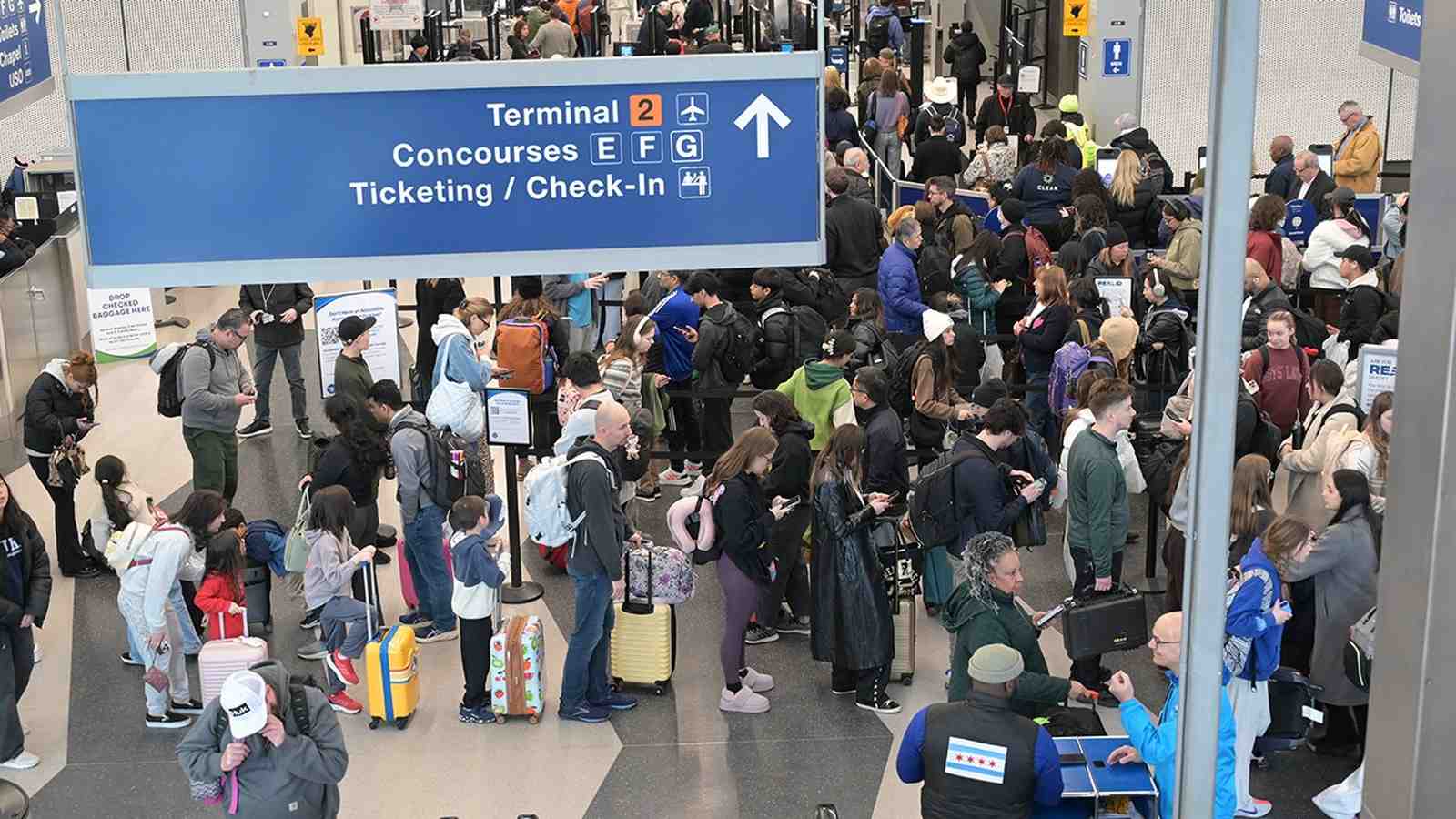
Technical Outage Disrupts Operations at O’Hare
On Tuesday, November 24, 2026, the Federal Aviation Administration (FAA) issued a temporary ground stop at Chicago O’Hare International Airport following an equipment outage that compromised the systems used to track aircraft and ground vehicles on the airport’s surface. According to reporting from Fox News, the ground stop was initiated shortly after 3:00 p.m. local time and remained in effect until approximately 4:00 p.m., at which point it was transitioned into a formal ground delay program. The FAA officially canceled the ground stop in an advisory issued at 4:02 p.m. CST, though the residual effects of the technical malfunction continued to ripple through the hub’s operations.
The FAA confirmed that the issue was localized specifically to O’Hare and did not impact other airports or wider national aviation infrastructure. While the ground stop was lifted, the subsequent ground delay program necessitated that arrivals scheduled between 4:00 p.m. and 11:59 p.m. local time be assigned adjusted takeoff times at their original departure airports. This measure is intended to manage the arrival flow while technicians continue efforts to restore the affected surface tracking equipment, as reported by Fox 32. By 5:00 p.m. local time, the ground delay program itself was canceled, signaling a return to more standard, albeit disrupted, operations.
Impact on Thanksgiving Travel
The outage occurs at a critical juncture for U.S. air travel, as millions of passengers prepare for the upcoming Thanksgiving holiday. Recent data from AAA indicates that nearly 6 million domestic travelers are expected to fly during this period, representing a slight decrease of 0.2% from the previous year. For passengers currently traversing O’Hare, the disruption has resulted in average delay times of approximately 47 minutes for incoming flights. While initial advisories suggested potential delays of up to 42 minutes, the situation remained fluid throughout the afternoon. Some flights already in the air during the height of the outage experienced arrival delays of 15 minutes or less.
Operational Context and Ongoing Repairs
This incident follows a separate operational disruption at the same airport just one day prior, on Monday, November 23, when staffing issues prompted a brief ground stop, adding further frustration for travelers already weary of recent system instability. The industry remains particularly sensitive to such events following the massive nationwide ground stop that occurred on November 13, which grounded all flights across the country. Despite these recurring pressures, the FAA has not disclosed the specific cause of the latest equipment failure, nor have they provided a definitive timeline for when the tracking system will be fully restored to its optimal capacity.
Because the specific piece of affected equipment was not named by federal authorities, travelers are advised to consult airline status updates regularly. The ground delay program remains the primary mechanism for regulating airport capacity until technical repairs are fully concluded and validated. As Chicago O’Hare remains a major international hub, the impact of such localized outages can frequently cascade into broader scheduling complications for major carriers. Passengers are encouraged to monitor their specific airline’s communications for real-time information as ground teams work to stabilize the surface tracking systems and restore normalcy to one of the busiest transit points in the United States ahead of the holiday peak.