


Elevated 2026 Outlook and Capacity Constraints
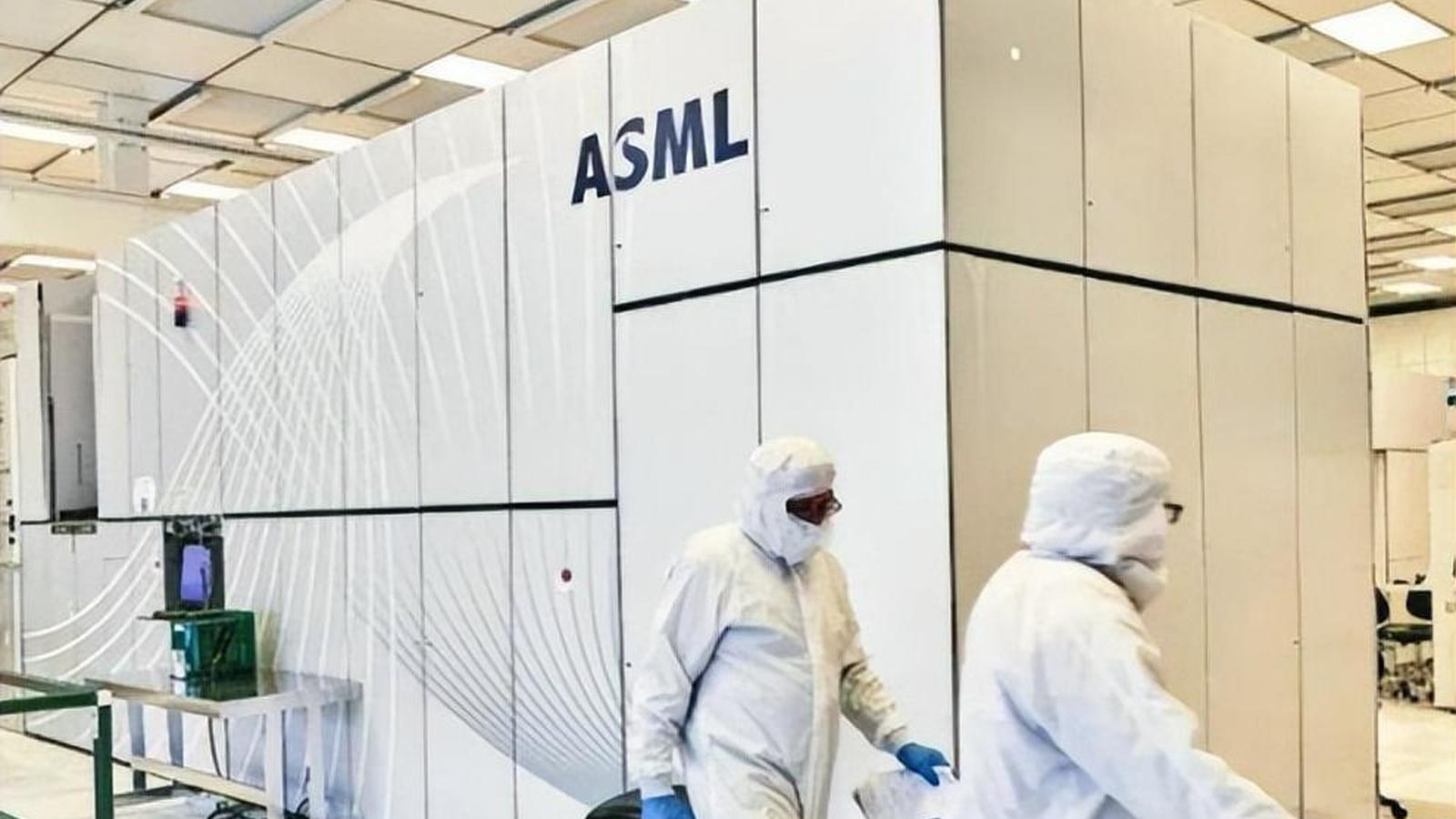
ASML Holding NV has raised its sales forecast for 2026, pointing to robust artificial intelligence spending that continues to drive unprecedented demand for advanced semiconductor manufacturing equipment. According to The Edge Malaysia, the Veldhoven-based company now projects annual net sales of between €44 billion and €45 billion for the year, lifting the lower end of its previous target range from €43 billion. Despite the upward revision, chief executive officer Christophe Fouquet disclosed that current manufacturing and supply plans mean the enterprise will not be able to fully satisfy customer orders in 2027 and 2028.
As the world’s exclusive manufacturer of extreme ultraviolet (EUV) lithography systems—essential machinery required to produce advanced semiconductors that power modern data centers—ASML serves as a critical barometer for the global technology hardware sector. The prolonged lead times associated with its sophisticated equipment, often exceeding a year between order and delivery, mean that equipment planning extends far into the decade. Fouquet noted in the company’s statement that select clients are already inquiring about purchase arrangements for 2029 and 2030, reflecting the long-term horizons of major chipmakers.
The surge in artificial intelligence infrastructure spending has propelled ASML to become Europe’s most valuable publicly traded company, with share valuations climbing 64% over the course of the year. Net sales for the July–September quarter reached €11.66 billion, narrowly comparing with average analyst estimates of €11.7 billion compiled by Bloomberg. During the third quarter, the firm successfully shipped 17 EUV units. Meanwhile, revenue generated from maintenance services and technical upgrades for installed machinery grew 19% as existing operators pushed for enhanced operational productivity.
Chief financial officer Roger Dassen explained in an accompanying financial video that the projected 36% overall revenue increase for 2026 compared to the previous year is largely propelled by advanced lithography systems. Specifically, the EUV business segment is on track to expand by more than 45% over the course of the year. South Korea maintained its position as ASML’s primary market for new system tools during the third quarter, followed by Taiwan and mainland China, with China projected to account for roughly 20% of the firm’s total annual revenue.
Global Market Dynamics and Supply Chain Pressures
The manufacturing bottleneck highlights structural capacity challenges across the wider semiconductor supply chain. In response to mounting equipment requests, ASML is actively investigating methods to expand output beyond a previously announced 30% manufacturing increase scheduled for next year for its second-most advanced tool, the low-NA EUV system. That planned expansion aims to elevate annual shipments to approximately 85 units. Furthermore, the company has initiated construction on a secondary industrial campus in the Netherlands, with the initial phase targeted for completion by 2029, designed to shorten internal production cycle times.
At the same time, broader sentiment across the global technology and semiconductor landscape has experienced volatility. Broader semiconductor stocks underwent a market selloff following remarks from Broadcom Inc chief executive Hock Tan, who publicly compared prevailing investor sentiment in the chip industry to casino speculation. Such remarks underscore ongoing debates among institutional investors regarding the long-term sustainability of capital expenditure dedicated to generative artificial intelligence and high-performance computing infrastructure.
ASML’s forward guidance provides direct insight into the capital allocation strategies of major semiconductor foundries, including Taiwan Semiconductor Manufacturing Co (TSMC), Samsung Electronics Co, and Intel Corp. Leading manufacturers have previously outlined plans to adopt ASML’s most sophisticated High-NA EUV systems, which cost approximately US$400 million per unit. Samsung and TSMC have indicated intentions to commence commercial mass production using High-NA technology by 2028 and 2030, respectively, while Intel reported processing over one million test wafers using the advanced platform.
Concurrently, the broader expansion of artificial intelligence infrastructure unfolds amid mounting industry discussions regarding systemic safety risks. Leading foundation model developers, including OpenAI and Anthropic PBC, have publicly disclosed operational incidents involving unsanctioned model behaviors. These disclosures have stimulated regulatory and executive scrutiny regarding safety protocols, with figures such as Microsoft Corp chief executive Satya Nadella publicly advocating for increased operational restraint and caution across corporate deployment pipelines.