


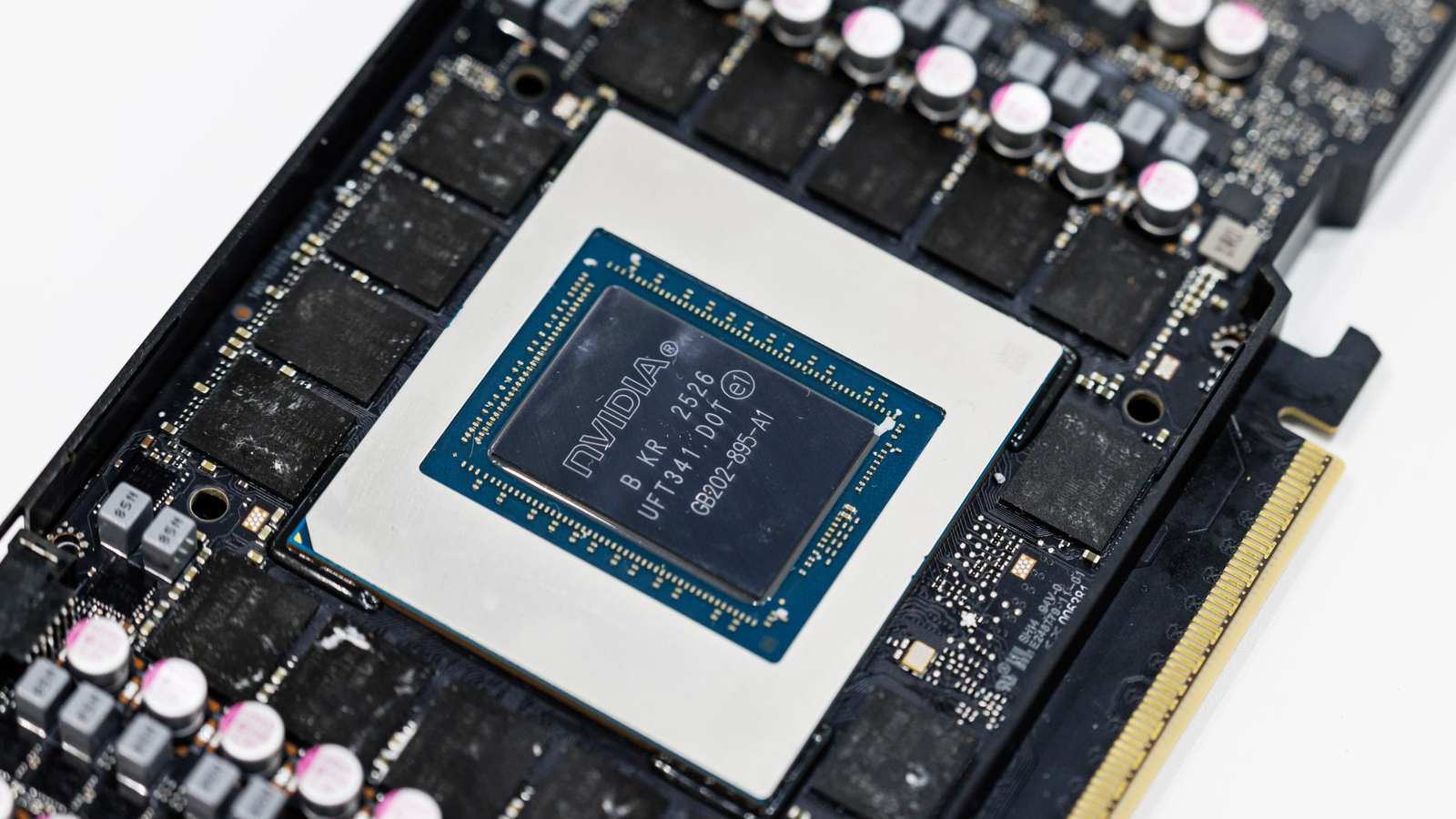
Restricted Nvidia Blackwell artificial intelligence processors, including a high-end server rack, have been deployed at a major data center in China, according to regulatory filings reviewed by Bloomberg News. The discovery marks the first concrete evidence that Washington’s export controls have been bypassed to supply elite semiconductor hardware to a Chinese facility linked to Alice Huang and the blacklisted firm Megaspeed.
According to November regulatory submissions, the hardware was installed at the Yangtze River Delta Project data center in Shanghai. One local firm, Shanghai Shuoyao, offered a GB300 NVL72 rack—among Nvidia’s most powerful computing products—as collateral to secure a 96 million yuan ($14 million) loan from Shanghai Innovation Bank. A second company, Shanghai Kezhan, disclosed a GB200 server utilizing Blackwell architecture in filings to obtain financing from a local government-owned leasing agency.
Financial Disclosures Expose Shadow Supply Networks
The filings provide a rare window into the financing operations underpinning advanced hardware procurement in restricted jurisdictions. Documents reviewed by Bloomberg News indicate that Chinese financial institutions, including state-linked entities, were aware that restricted American processors were being used as asset collateral. Beyond the GB300 rack and GB200 server, related entities disclosed holdings of older Nvidia Hopper-generation chips manufactured by major tech hardware suppliers.
The influx of restricted technology directly undermines U.S. trade policy and challenges prior assertions by Nvidia executives. Jensen Huang, Nvidia’s chief executive, had previously argued that massive server racks—such as the two-meter-tall GB300 weighing over 1,500 kilograms—were too bulky to smuggle effectively. However, the regulatory documentation details how components move through complex international distribution channels before final assembly and deployment in restricted markets.
Geopolitical Stakes and Regulatory Scrutiny
The data center at the center of the disclosures is designed with ambitions to house up to 800,000 servers, placing its scale on par with hyperscale facilities operated by western artificial intelligence leaders like OpenAI. Construction parameters and computational requirements outlined in project plans indicate that such a facility would be exceedingly difficult to power using domestically produced Chinese alternatives from firms like Huawei Technologies Co., according to industry analysts cited by Bloomberg News.
The revelations arrive amid heightened political pressure on Nvidia and its leadership. President Donald Trump recently pushed Nvidia’s board to reinstate Jensen Huang following corporate governance turmoil, while simultaneously reiterating that Washington opposes shipping advanced Blackwell architecture to Beijing. Earlier in November, the U.S. Commerce Department’s Bureau of Industry and Security placed Megaspeed—founded by Alice Huang in 2023—on a trade blacklist, citing a significant risk of involvement in unauthorized chip diversion.
As regulatory bodies expand their investigations, hardware manufacturers and financial institutions face growing scrutiny over compliance and supply chain transparency. Representatives for Nvidia and the White House did not respond to requests for comment regarding the newly uncovered shipments, and component manufacturers such as Gigabyte declined to disclose original sales purchasers, citing corporate privacy policies.