


A Critical Shift in Australia’s Biosecurity Landscape
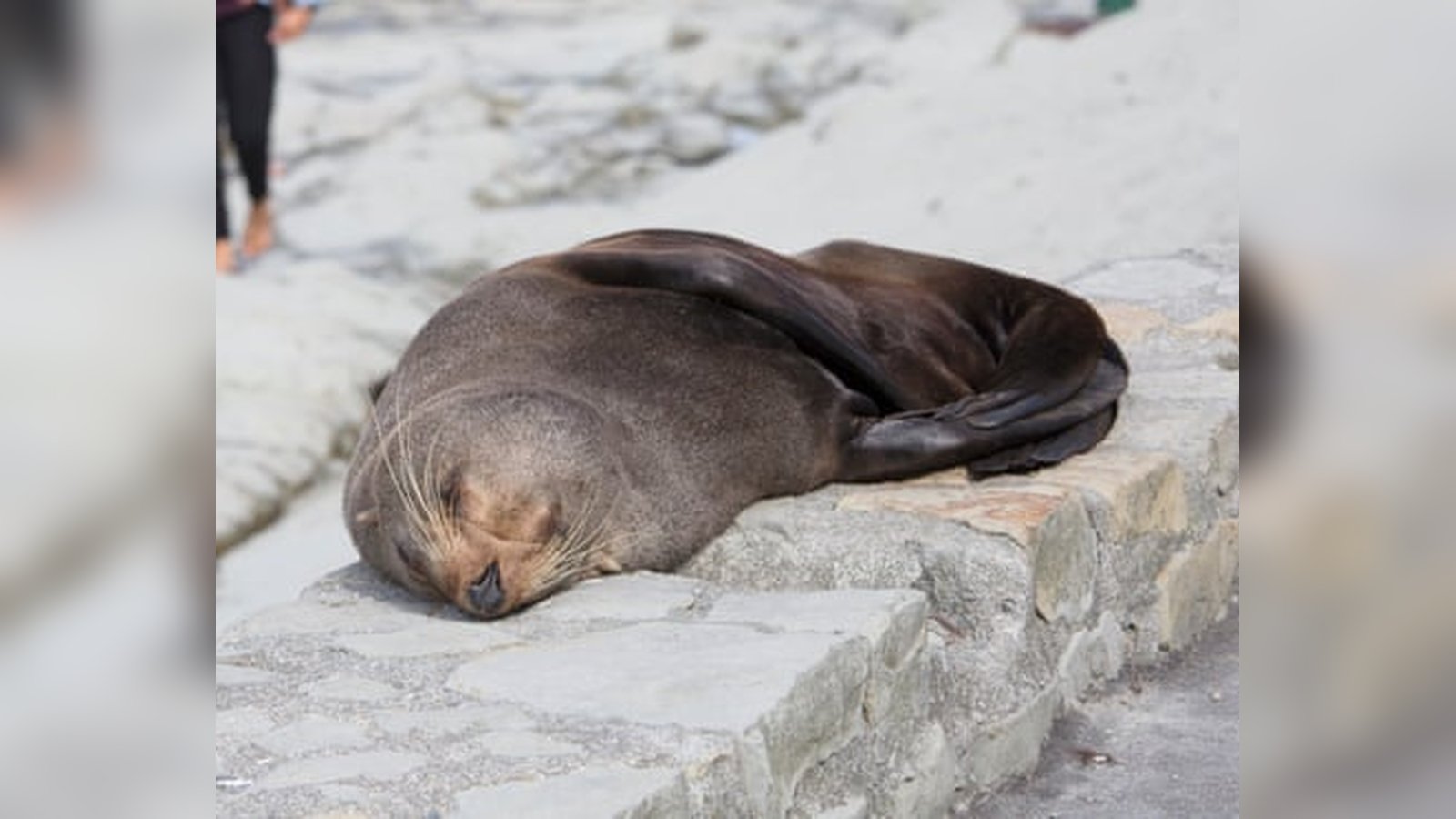
Australian authorities have confirmed the nation’s first case of H5 bird flu in a mainland mammal, following the death of a long-nosed fur seal in South Australia. The animal was discovered at Beachport, on the state’s Limestone Coast, on Wednesday, August 19, 2026. Federal Agriculture Minister Julie Collins confirmed the diagnosis on Sunday, describing the development as a concerning, albeit anticipated, escalation of the virus that has been spreading across the country since June.
While Australia has previously managed 298 confirmed H5 bird flu events primarily among avian populations, this incident signals a significant shift in the biological threat level. The seal, which exhibited no external signs of injury, was reported to the Emergency Animal Disease hotline by a member of the public. Subsequent testing confirmed the presence of the H5 strain, likely contracted through contact with infected wild birds or a contaminated environment.
Ecological Stakes and Species Vulnerability
The detection has heightened fears regarding the impact on Australia’s unique marine mammal populations. Environmental experts have pointed to the devastating mortality rates seen in South America, where thousands of elephant seals perished due to the virus. Jack Gough, chief executive of the Invasive Species Council, warned that the transmission of H5 to species such as the Australian sea lion could trigger an “extinction-level event,” given the population of mature breeding adults is estimated at fewer than 10,000.
South Australian Environment Minister Emily Bourke noted that the state is bracing for further wildlife losses, referencing the catastrophic impact on Heard Island, where approximately 13,000 seal pups—roughly 75% of the colony—died from the virus. In addition to the fur seal, authorities also confirmed that a little penguin found on Kangaroo Island has tested positive for the virus, further illustrating the breadth of the current outbreak.
Government Response and Surveillance
Federal and state governments are currently coordinating a national response, though officials admit that controlling the virus in wild populations remains an immense challenge. Minister Collins stated that she will visit South Australia to discuss response strategies. Meanwhile, the state government is exploring the feasibility of utilizing experimental vaccines, though officials caution that there is currently no proven, off-the-shelf vaccine for mammals.
For the public, the guidance remains clear: avoid contact with sick or dead wildlife. The South Australian Department of Primary Industry and Regions (PIRSA) has urged citizens to report sightings of deceased animals immediately. While there is currently no evidence of the virus spreading to domestic poultry or agricultural systems, pet owners—particularly those in coastal areas—have been advised to keep dogs on leashes and cats indoors to minimize the risk of cross-species exposure.