


A Cycle of Closures
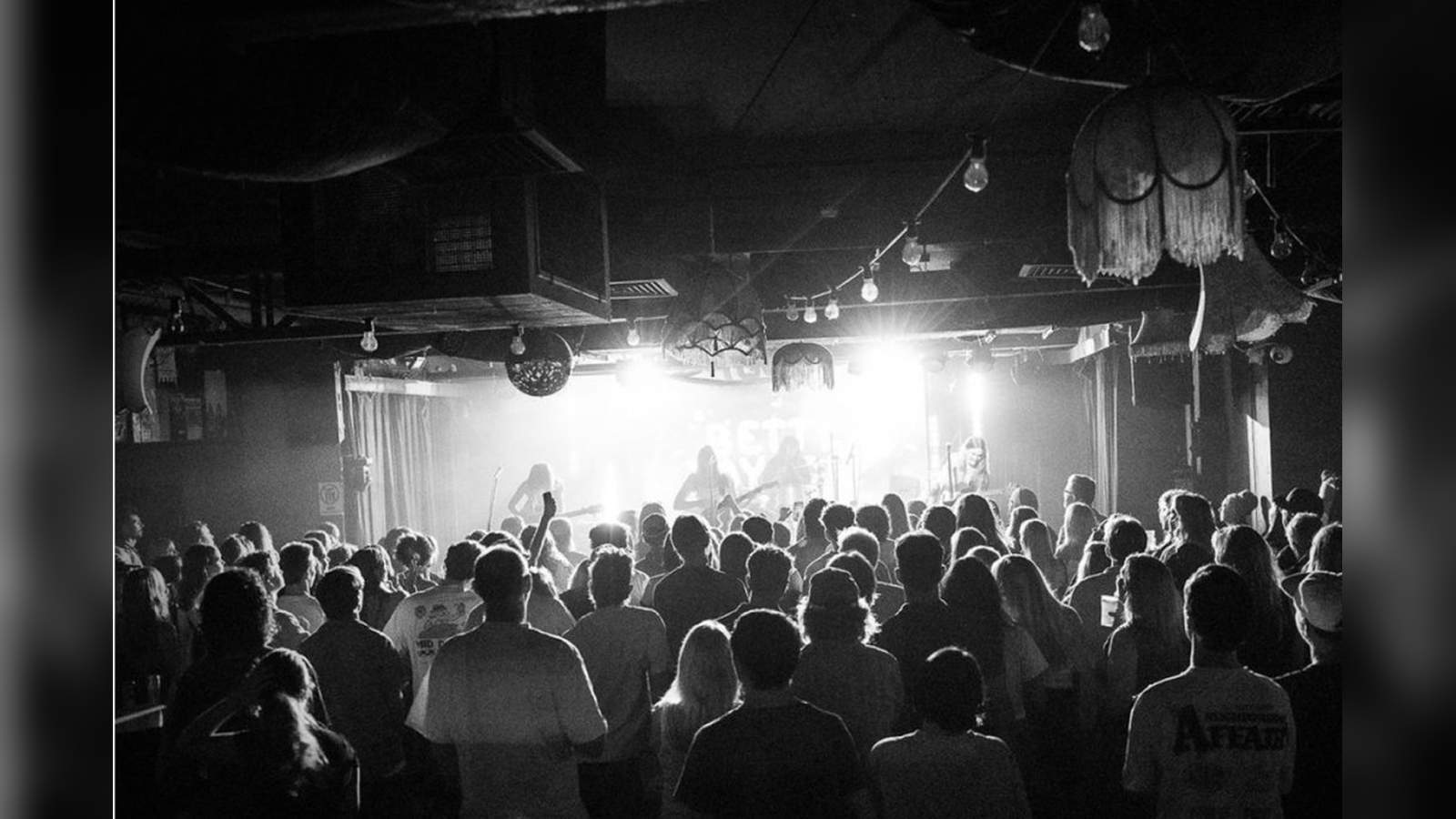
Australia’s live music industry is grappling with a wave of venue closures, as operators struggle against a combination of rising rental costs, economic pressures, and limited tenure security. Jim Flanagan, operator of the Sydney-based non-profit venue Lazy Thinking, confirmed his venue is shutting down after failing to reach a long-term lease agreement with his landlord. The venue, which has served as a critical hub for local talent, is the latest in a series of losses that have hit major cities including Sydney, Melbourne, and Brisbane.
Since the beginning of 2026, numerous prominent venues have shuttered. Notable closures include Brisbane’s The Bearded Lady, Adelaide’s The Jade, and Melbourne’s Stay Gold. In Sydney, the list includes Mary’s Underground and Divine Playhouse, the latter of which was evicted from a church building over disputes concerning “offensive trade.”
This report draws on information published by The Guardian.
The Landlord-Tenant Disconnect
Industry experts suggest that the structural vulnerability of music venues is rooted in the current commercial property market. Dr. Sam Whiting of RMIT University, who has studied nearly 100 venues, argues that the lack of ownership or long-term security prevents venues from stabilizing their operations. “Venues often rent commercial premises where the landlord doesn’t care what kind of way the building is used; they just want to make sure that their rent is paid on time,” Whiting noted.
This precariousness is exacerbated by rental contracts that often favor capital growth over cultural utility. Real estate industry representatives, including Tim McKibbin of the Real Estate Institute of New South Wales, maintain that property owners are investors seeking maximum annual returns. They caution that government intervention into commercial agreements could drive investment capital away from the sector.
Seeking a New Framework
While state governments in New South Wales, Victoria, and Queensland have introduced grants and vibrancy reforms, operators argue that these measures do not address the systemic issues. Flanagan and other managers suggest that the current economic model for live music—relying on fluctuating alcohol sales and rising rent—is becoming untenable.
Dr. Whiting advocates for a paradigm shift, proposing that live music be treated as a public good rather than a purely commercial enterprise. Suggested solutions include the creation of community land trusts, similar to the UK’s Music Venue Properties model, which would allow charities or government bodies to act as benevolent landlords. By securing long-term tenure, venues could move away from the “venue for hire” model that limits community building and creative incubation.