


Targeted Killing of Basij Commander in Mehrestan
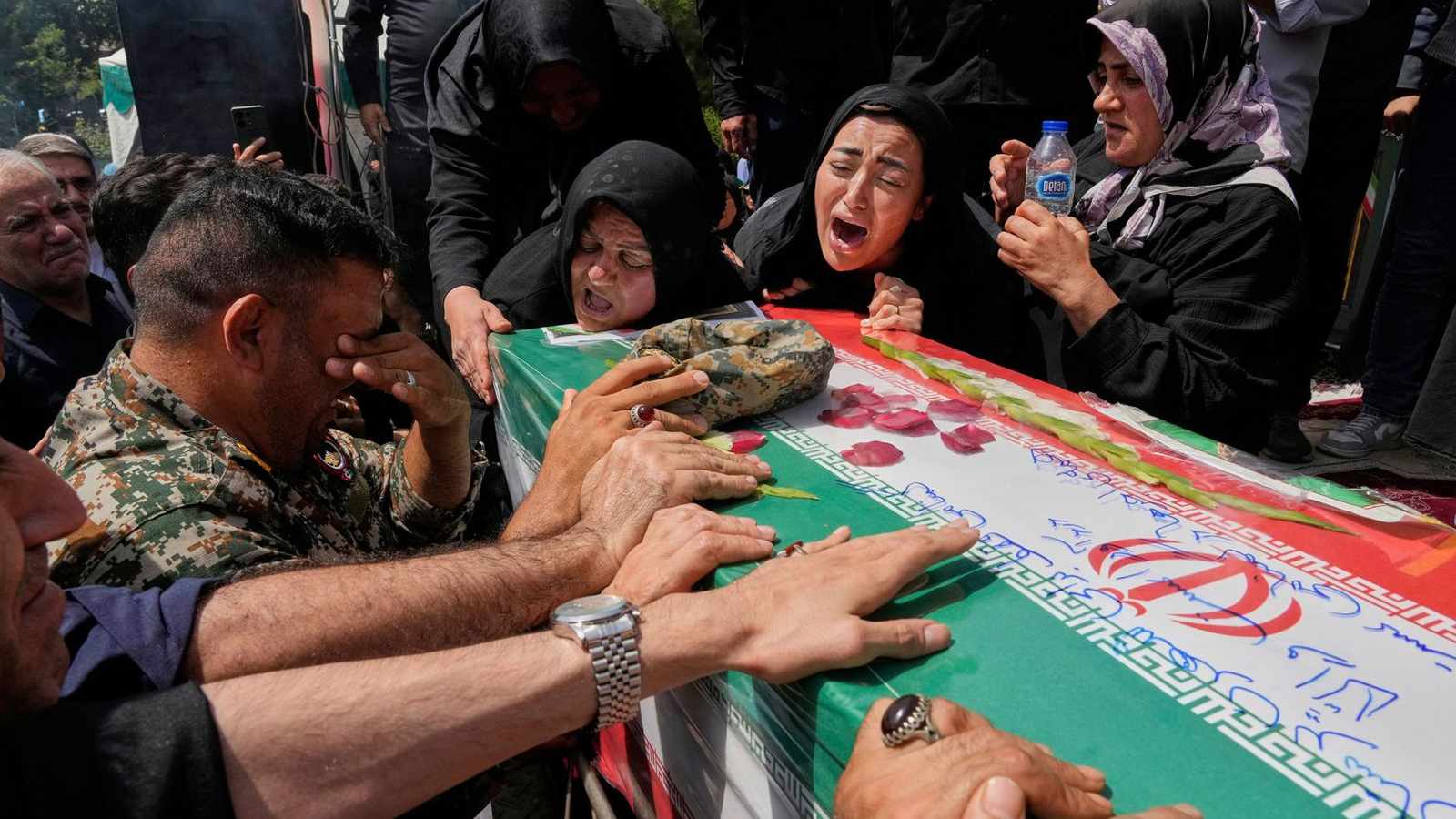
A commander in one of the Basij’s female units was assassinated outside her home in front of her children in Mehrestan, a border county in Iran’s Sistan and Baluchestan province, according to The Jerusalem Post. The victim was identified as Afsaneh Aqila, who led the Afzal Sisters’ Basij unit in the county. State media and security authorities confirmed the killing alongside a separate incident in the same province where a police officer, First Sergeant Mohammad Ali Shahriari, was killed while confronting armed actors, as reported by Iran International.
Following the killings, Sardar Mohammadreza Eshaqi, the province’s police commander, issued a public statement condemning the attack. He described Aqila as a figure of faith and sacrifice, offering condolences to her colleagues and the local community. State-affiliated networks, including the IRGC-linked Tasnim News Agency, alleged that the gunmen maintained links to the United States and Israel, though they provided no supporting evidence and did not name a specific militant group responsible for the assassination.
Broader Surge in Armed Confrontations
The assassination underscores a wider, ongoing security crisis across southeastern Iran. Independent monitors and human rights organizations have documented a sharp rise in deadly engagements involving security forces, regional militias, and armed opposition groups. According to data compiled by the US-based Human Rights Activists News Agency (HRANA), at least 94 people were killed and 33 others wounded across 63 separate armed incidents in the region between March 31 and October 10.
These incidents include roadside bombings, targeted shootings of patrol vehicles, and complex military operations. Notably, the People’s Fighters Front—an umbrella organization formed in December 2025 that incorporates groups such as Jaish al-Adl—has claimed responsibility for six of the documented attacks, while the origin and affiliation of many other engagements remain unverified. Security analysts indicate that anti-regime operations have intensified following tactical realignments among local militant factions opposing the central government.
Regime Security Posture and Personnel Pressures
The mounting casualties among the Islamic Revolutionary Guard Corps (IRGC) and affiliated paramilitary units arrive as state authorities attempt to project institutional strength and popular backing for the Basij. The government has heavily publicized Janfada self-sacrifice training exercises, releasing imagery of armed recruits and drones. Officials claimed that over 500,000 individuals registered for the national resistance battalions shortly after recruitment opened.
However, human rights monitors and prison testimonies suggest that security structures face persistent personnel shortages. Reports indicate that the regime has utilized conditional releases and plea arrangements for convicts jailed on general or drug-related offenses, offering bail and clemency in exchange for registering with the Basij to help suppress domestic dissent and secure restive border zones.
Escalation Patterns and Regional Security Dynamics
The security deterioration across Sistan and Baluchestan involves a complex web of actors, tactical shifts, and localized grievances. Analysts and local monitoring groups have noted an increase in heavy weaponry use, including rocket-propelled grenades, roadside mines, and reconnaissance drones, pointing to a tactical evolution among opposition networks operating in the borderlands. Security expert Roger Macmillan told The Jerusalem Post that anti-regime operations escalated significantly following the merger of regional armed factions under the People’s Fighters Front. Macmillan highlighted deep-seated local anger directed toward the IRGC, citing reports of systematic abuses, forced confessions, and executions within the province’s minority communities.
In addition to the targeted killing in Mehrestan, a series of high-profile security incidents have strained military and law enforcement resources across the province. Haalvsh, an independent organization documenting human rights abuses and security developments in Sistan and Baluchestan, reported an intense multi-hour engagement involving the Iran-backed Fatemiyoun militia in Taftan County, which resulted in over twenty casualties. Separate state media reports confirmed the deaths of several senior law enforcement and IRGC commanders in coordinated roadside bombings and patrols across different counties, reflecting a systematic campaign against state infrastructure in the southeast.
Institutional Vulnerabilities and Recruitment Strategies
The intensification of armed opposition poses significant challenges to the Islamic Republic’s domestic security apparatus. While official narratives emphasize massive public enrollment in the Basij via Janfada readiness drills—highlighted by state media claims of hundreds of thousands of registrations—independent monitors paint a contrasting picture of institutional strain. Reports from the Iran Human Rights Monitor indicate that security authorities have increasingly relied on non-traditional recruitment channels to offset manpower deficits.
By offering conditional releases, bail arrangements, and formal clemency to individuals incarcerated for violent crimes or drug offenses, the regime has sought to replenish auxiliary forces tasked with border security and domestic pacification. Observers suggest that while financial desperation and legal coercion may temporarily boost enlistment figures, deploying untested or coerced personnel into active conflict zones like Sistan and Baluchestan exposes deep vulnerabilities within the state’s internal defense strategy as asymmetric confrontations continue to mount.