


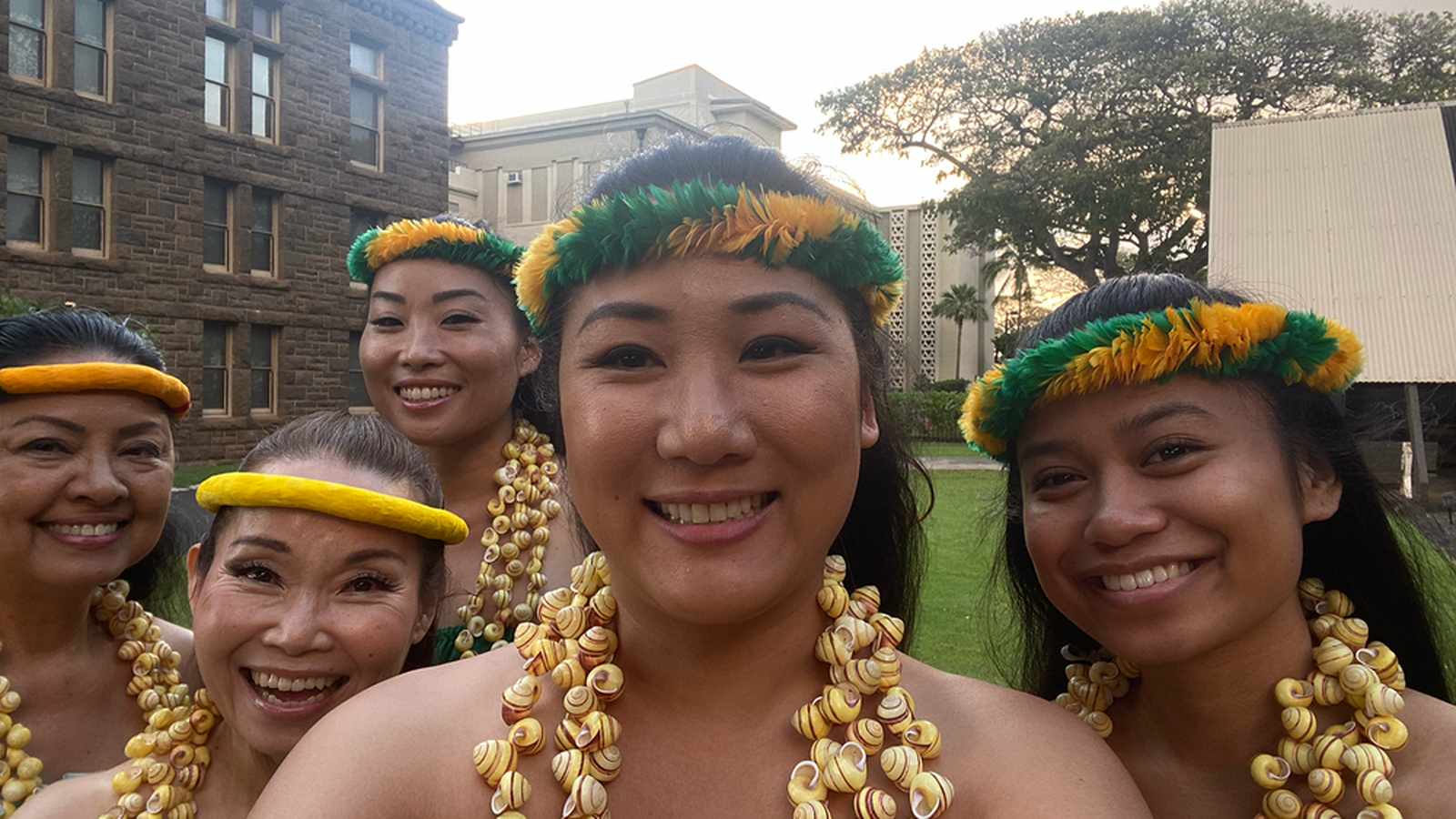
On July 4, 2026, as Independence Day celebrations took place across Hawaii, the Bishop Museum provided a platform for a different perspective. The ‘Ilau Ka Hula festival returned to the museum, featuring 11 hula halau, local businesses, and vendors, serving as a cultural counterpoint to the national holiday.
Ihilani Lasconia, a 27-year-old graduate student in Indigenous politics at the University of Hawaii at Manoa, highlighted the significance of the timing. “While America celebrates 250 years of existence, we celebrate 133 years of resistance,” Lasconia stated, emphasizing that hula functions as a spiritual and political practice for Native Hawaiians.
The event coincided with other observances, including the annual ‘Onipa‘a Peace March organized by Ka Lahui Hawai‘i, which traveled from the Mauna‘ala Royal Mausoleum to ‘Iolani Palace. Noelani Goodyear-Ka‘opua, a political science professor at UH Manoa, noted that many Native Hawaiians do not observe the U.S. holiday, as they recognize their own national holidays tied to the history of the Hawaiian Kingdom.
The historical friction stems from the 1893 overthrow of the Hawaiian Kingdom, followed by annexation in 1898 and statehood in 1959. For participants, the festival and the march were not merely commemorative acts but a public assertion of a history that precedes American statehood, focusing on the continuity of Hawaiian sovereignty and cultural identity.