


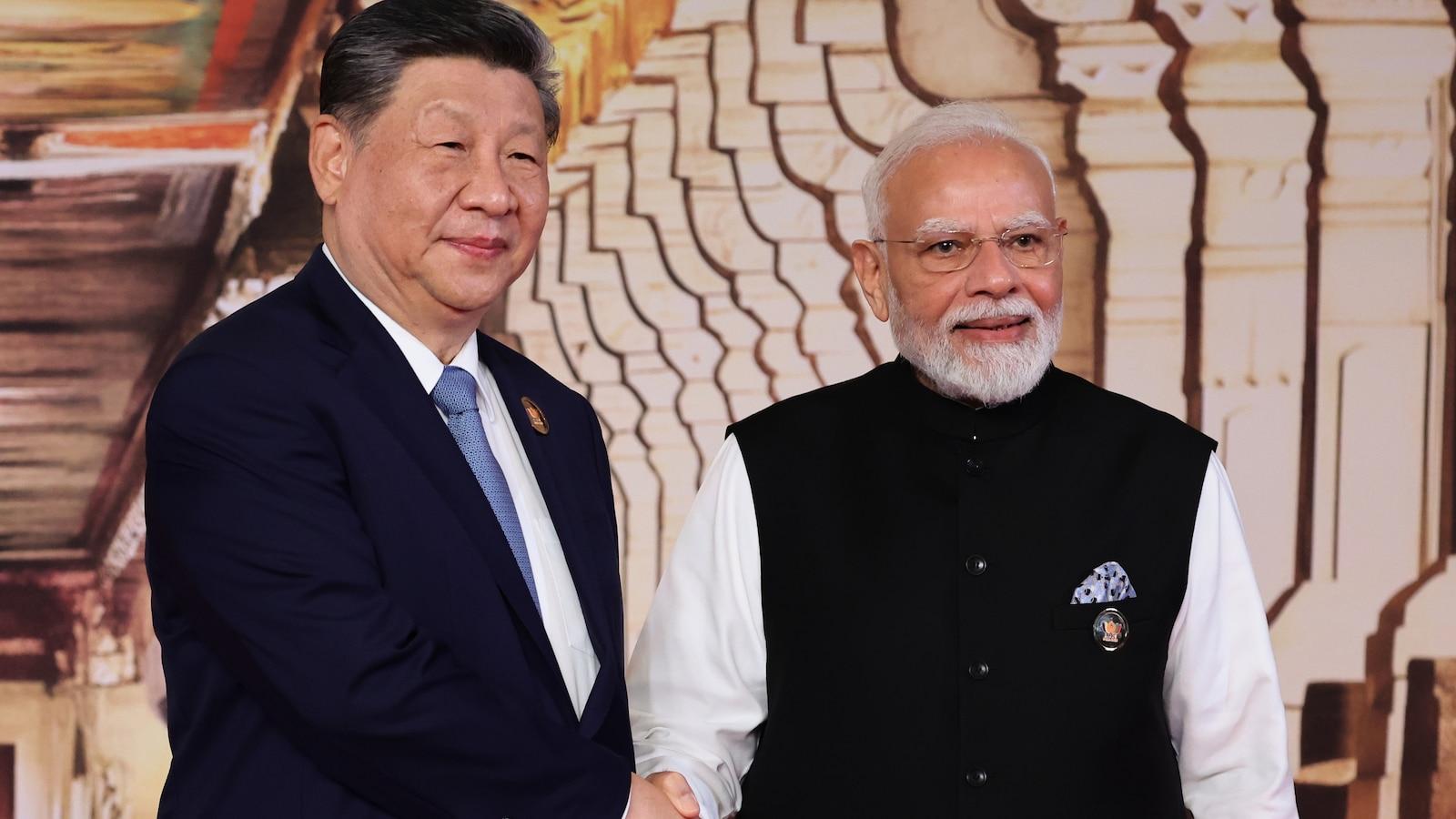
The 11-member BRICS bloc, representing approximately 40 percent of global GDP and nearly half the world’s population, has concluded its pivotal 2026 summit in New Delhi with the unanimous adoption of the New Delhi Declaration. Despite deep geopolitical divisions among its members over ongoing conflicts in the Middle East and Ukraine, the summit served as a critical platform for emerging powers to assert their influence on global governance. The gathering also hosted a high-stakes bilateral meeting between Indian Prime Minister Narendra Modi and Chinese President Xi Jinping, signaling a concerted effort to reset ties between the two Asian giants.
Adopted on Saturday, September 12, 2026, the joint declaration navigated highly sensitive geopolitical terrain. According to Al Jazeera, the document called for maximum restraint in the Middle East but stopped short of explicitly condemning US-Israeli military strikes or Iran’s targeting of Gulf nations. By avoiding direct naming of key combatants, the summit exposed both the diplomatic utility and the inherent limits of the expanded bloc, which now includes regional rivals Iran and the United Arab Emirates (UAE).
Navigating Middle East Escalation and Internal Rifts
The ongoing conflict in the Middle East presented the most acute test of unity for the expanded BRICS bloc, which recently incorporated Egypt, Ethiopia, Iran, the UAE, Saudi Arabia, and Indonesia. The New Delhi Declaration expressed “deep concern over the continued escalation of tensions” and called for a political settlement, yet the language remained carefully generalized to preserve a consensus. Former Indian Foreign Secretary Nirupama Menon Rao observed that securing this declaration represented a “significant diplomatic success” for India, given the sharp differences between Iran and the UAE. However, Rao noted on X that while BRICS keeps difficult conversations alive, it “struggles to assign responsibility or organize collective action when there is the occasional collision of the interests of its members.”
Notably, the declaration raised serious concerns over deliberate attacks on civilian infrastructure and peaceful nuclear facilities protected by International Atomic Energy Agency (IAEA) safeguards. This phrasing serves as an indirect critique of military strikes on Iranian nuclear sites, following the 12-day war in 2025 during which the United States bombed key facilities in Natanz, Isfahan, and Fordow. Praveen Donthi, a senior analyst at the International Crisis Group, remarked that expectations for the summit were low due to intense geopolitical turbulence, meaning members would be “reasonably satisfied with the modest outcome” achieved through India’s quiet behind-the-scenes diplomacy.
Sino-Indian Relations: The Modi-Xi Sideline Reset
Beyond the multilateral declarations, the most significant bilateral development occurred on the sidelines, where Prime Minister Modi and President Xi met to repair relations strained since a deadly border clash six years ago. As reported by ABC News, Xi confirmed that institutional exchanges have gradually resumed and bilateral trade has expanded. Modi emphasized that peace along their disputed border remains essential for broader bilateral ties, urging both nations to honor existing border agreements.
“Differences should not become disputes,” Modi stated, proposing that bilateral relations be guided by “three mutuals: mutual respect, mutual sensitivity and mutual interest.” The Indian foreign ministry confirmed that the two leaders discussed expanding business and people-to-people ties while addressing critical issues such as trade imbalances, supply chain disruptions, and market access. This sideline diplomacy is seen as a crucial step toward stabilizing the Himalayan frontier as China prepares to host the next BRICS summit in 2027.
The Ukraine War and Sanctions Dilemma
The war in Ukraine remains another structural fracture within the bloc, given Russia’s status as a founding member. The New Delhi Declaration issued a generic call for resolving international disputes through “dialogue, consultation, and diplomacy” without mentioning Ukraine by name. However, the bloc united in its criticism of unilateral sanctions not authorized by the United Nations Security Council (UNSC), calling for the elimination of “unlawful measures” that undermine international law.
This stance carries immense significance for Moscow, which has faced unprecedented Western sanctions since 2022. India has navigated this landscape by maintaining close ties with Russia, importing Russian crude oil to stabilize its domestic energy market. However, this trade has come under pressure; following a 25 percent tariff imposed by the US administration on Indian goods as a penalty for purchasing Russian crude, India has recently reduced its imports. Kremlin spokesman Dmitry Peskov reported that Putin welcomed readiness expressed by both Xi and Modi to offer their services for future peace talks on Ukraine.
Challenging the “Pyramid of Privilege”
The summit also served as a stage for member states to challenge Western economic hegemony, particularly in light of trade policies under the US administration. According to the New York Sun, President Xi played a central role at the New Delhi gathering, urging leaders to “stay on the right side of history” and oppose unilateral American policies from the Middle East to Asia, a move analysts view as a rehearsal for future high-level engagements with Washington.
While Russian President Vladimir Putin accused Western powers of using tariffs, sanctions, and “brute force” to contain competitors, Prime Minister Modi sought to frame the bloc’s ambitions in constructive terms. Modi declared that BRICS had reached a “coming of age” moment, calling on the Global South to transition from being a “rule-taker” to a “rule-shaper.” Modi urged the international community to “transform this pyramid of privilege into a platform of partnership.” At the same time, he took care to distance BRICS from being viewed as an inherently anti-Western project, asserting that the bloc is “not against anyone” but rather aims to move forward by taking all nations along.