


A Persistent Threat to Civilians
The Royal Government of Cambodia has renewed its urgent appeal for a comprehensive global ban on the use, production, and stockpiling of cluster munitions. The call, issued by Ly Thuch, Senior Minister and First Vice-President of the Cambodian Mine Action and Victim Assistance Authority (CMAA), highlights the devastating long-term impact these weapons have on civilian safety and national development.
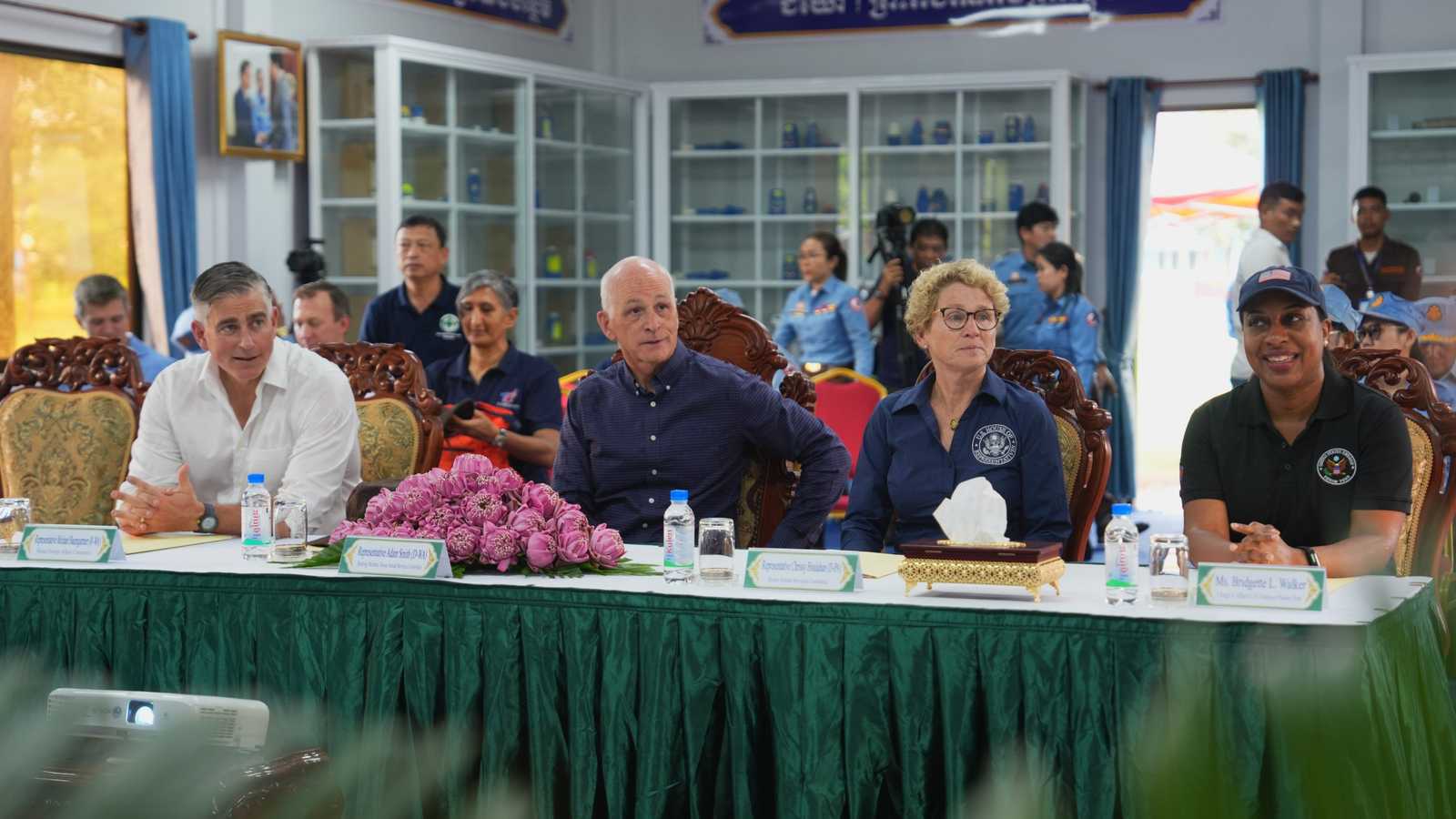
During an August 4, 2026, site visit to Kon Mom district in Ratanakiri province, Ly Thuch underscored that despite decades of progress, approximately 644 square kilometers of Cambodian land remain contaminated by these explosive remnants of war. The Minister emphasized that the burden of clearing these areas is not merely a technical challenge but a humanitarian necessity to protect future generations.
Recent Conflicts and Continued Contamination
Ly Thuch specifically linked the ongoing threat to recent history, noting that as recently as 2025, cluster munitions were deployed during attacks inside Cambodian territory. These incidents, he stated, targeted both active battlefield zones and civilian communities, exacerbating the humanitarian crisis and imposing significant financial and logistical burdens on the government. The presence of these unexploded remnants continues to impede agricultural development, infrastructure, and the safety of rural populations.
International Cooperation and Future Steps
The clearance efforts in Ratanakiri are supported by international partnerships, most notably with the Norwegian People’s Aid (NPA). Since 2013, the NPA, backed by funding from the United States and the Norwegian Agency for Development Cooperation (NORAD), has cleared over 40 square kilometers of land in the province. Hans Peter Risser, the NPA country director, confirmed that these operations have successfully destroyed more than 6,000 cluster munitions and explosive remnants, directly benefiting over 30,000 residents.
Looking ahead, Cambodia is preparing to represent these concerns at the upcoming Convention on Cluster Munitions meeting in Laos this September. The Kingdom intends to showcase its experience in integrated mine action—which now includes coordinating demining efforts directly with provincial development planning—while urging the international community to increase financial and technical support for global eradication efforts.