


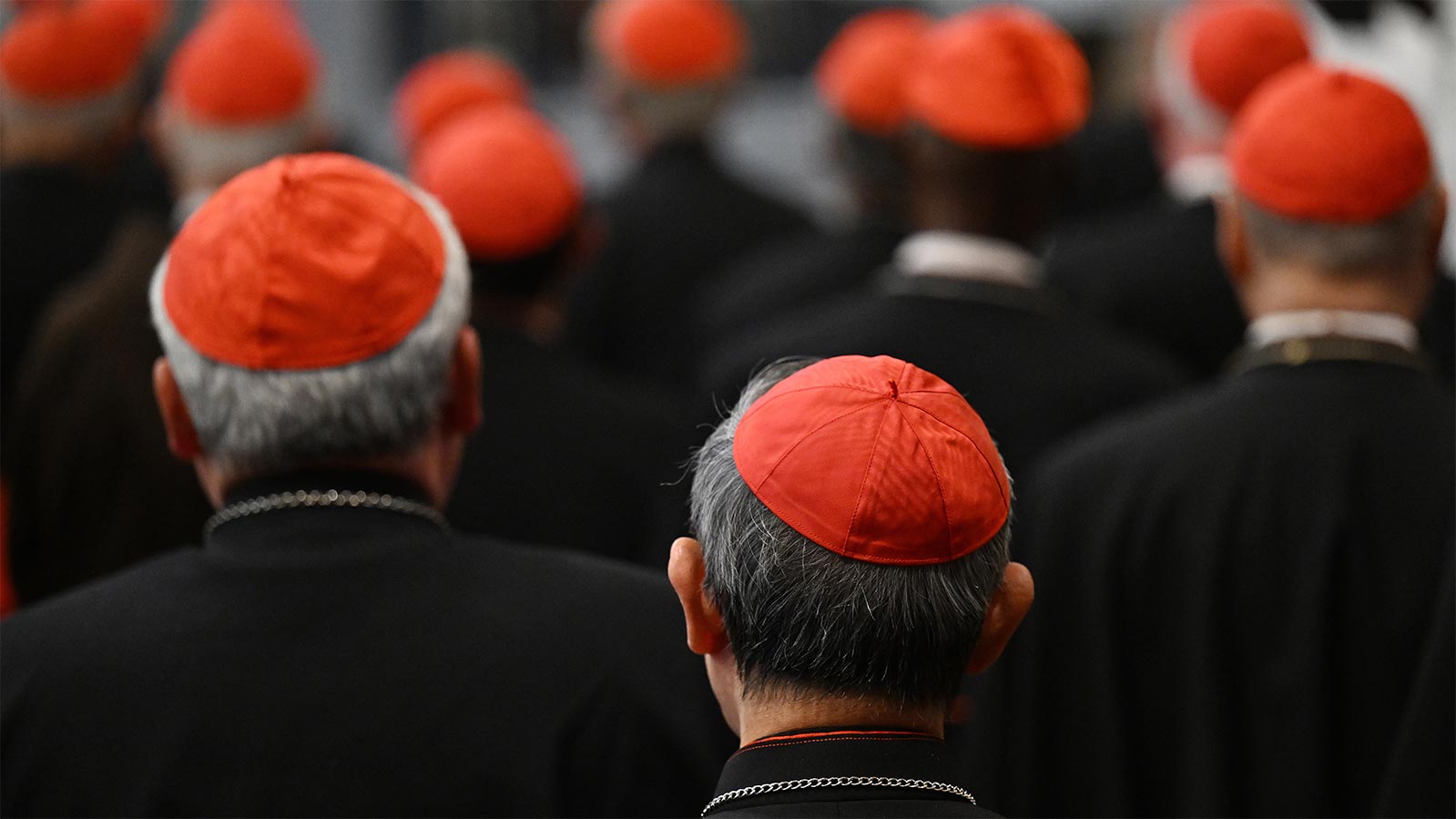
- Cardinals gather in Rome for pre-conclave discussions and informal meetings.
- Private dinners and conversations help shape opinions on potential papal candidates.
- Cardinal Vincent Nichols emphasizes listening and openness during this process.
- The conclave voting begins in the Sistine Chapel, limited to cardinals under 80.
- Continuity with Pope Francis’ reformist legacy is a key consideration for many.
Cardinals Convene in Rome for Pre-Conclave Discussions
As Rome buzzes with tourists and the scent of blooming jasmine, a more solemn and private gathering is taking place behind closed doors. Cardinals from around the world have arrived in the Eternal City to prepare for the conclave that will elect the next pope. These days leading up to the conclave are marked by informal discussions, private dinners, and morning meetings, all aimed at identifying the qualities needed in the future leader of the Catholic Church.
Among the cardinals is Vincent Nichols, the Archbishop of Westminster, who provided insights into the process. Nichols, who is attending his first conclave, described the atmosphere as one of “attentive listening” and reflection. “We’re looking for somebody who not only expresses the depth of the faith but also its openness,” he said during an interview at the Venerable English College in Rome, where he studied in the 1960s.
The Role of Informal Gatherings in Shaping Opinions
Private dinners and informal gatherings have long been a hallmark of the pre-conclave period. These meetings allow cardinals to discuss the needs of the Church and the qualities required in the next pope. In 2013, similar gatherings played a pivotal role in the election of Pope Francis. Reform-minded cardinals, including Cardinal Cormac Murphy-O’Connor, lobbied for Jorge Mario Bergoglio, the Argentine Jesuit who would go on to become Pope Francis.
According to Austen Ivereigh, author of “The Great Reformer,” these gatherings were instrumental in building consensus around Bergoglio. “Team Bergoglio,” as they were informally known, used these dinners to ensure that Bergoglio could secure enough votes to be a serious contender.
Cardinal Nichols’ Approach: Listening Over Lobbying
Unlike his predecessor Murphy-O’Connor, Nichols has taken a more reserved approach. “Cardinal Cormac would love to be at the center of the party. I’m a little more reserved than that,” Nichols said. He emphasized the importance of listening and remaining open to changing opinions. “It’s no good going into a conclave thinking it’s like a political election and I want my side to win,” he added.
Morning meetings in a Vatican auditorium provide a formal setting for cardinals to discuss the Church’s needs. These sessions are open to all cardinals, including those over 80, although only those under 80 can participate in the conclave voting. Nichols noted that these discussions have helped him form a picture of the qualities needed in the next pope, though he remains open to new perspectives.
Continuity and Reform: Key Themes for the Next Pontificate
As cardinals reflect on Pope Francis’ 12-year pontificate, themes of continuity and reform have emerged as central considerations. Francis’ tenure has been marked by a focus on the poor, environmental stewardship, and inclusivity. He also expanded the College of Cardinals to include representatives from diverse regions, such as Tonga and Mongolia, breaking with the tradition of European dominance.
“There’s a sense that the initiatives that this man of such originality took probably do need rooting a bit more,” Nichols said. He emphasized the importance of ensuring that these reforms become a consistent part of the Church’s approach, rather than being seen as the vision of a single charismatic leader.
The Conclave: A Sacred and Secretive Process
The conclave itself, set to begin on May 7 in the Sistine Chapel, is a highly secretive process. Cardinals under the age of 80 will cast their votes in a series of ballots until a candidate receives a two-thirds majority. The process is designed to be both reflective and decisive, ensuring that the chosen pope has broad support among the cardinal-electors.
While the conclave is shrouded in secrecy, the days leading up to it are filled with opportunities for cardinals to build relationships and exchange ideas. Nichols described these interactions as crucial for understanding the diverse perspectives within the College of Cardinals. “We’re not a boys’ brigade that marches in step,” he said, highlighting the importance of dialogue and mutual respect.
Looking Ahead: The Future of the Catholic Church
The election of the next pope will have far-reaching implications for the Catholic Church and its 1.3 billion followers worldwide. As cardinals prepare to make this momentous decision, they are guided by a shared commitment to the Church’s mission and values. Whether through formal meetings or informal dinners, the goal remains the same: to discern the leader best suited to guide the Church into the future.
As Nichols put it, “I’m going to go in certainly with my own thoughts but ready to change them, to listen and maybe try and persuade others to change theirs too.” This spirit of openness and humility will undoubtedly shape the outcome of the conclave and the future of the Catholic Church.
Source: Associated Press, Austen Ivereigh’s “The Great Reformer”