
Science
-
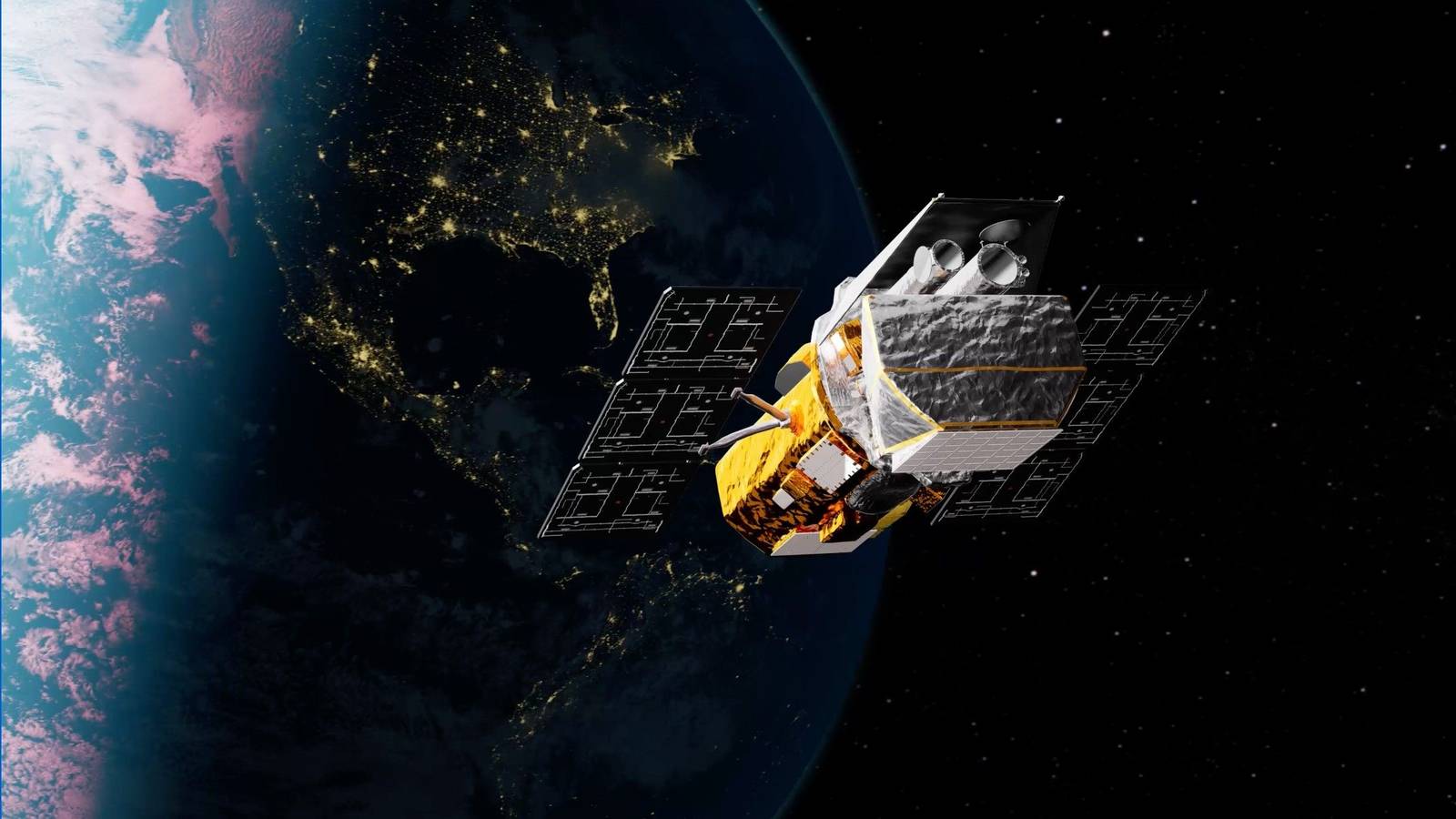
NASA’s Decaying Swift Observatory Plunges Back Through Earth’s Atmosphere
NASA’s 3,200-pound Swift telescope reentered Earth’s atmosphere on Wednesday following a decaying orbit and a failed private rescue mission.
-
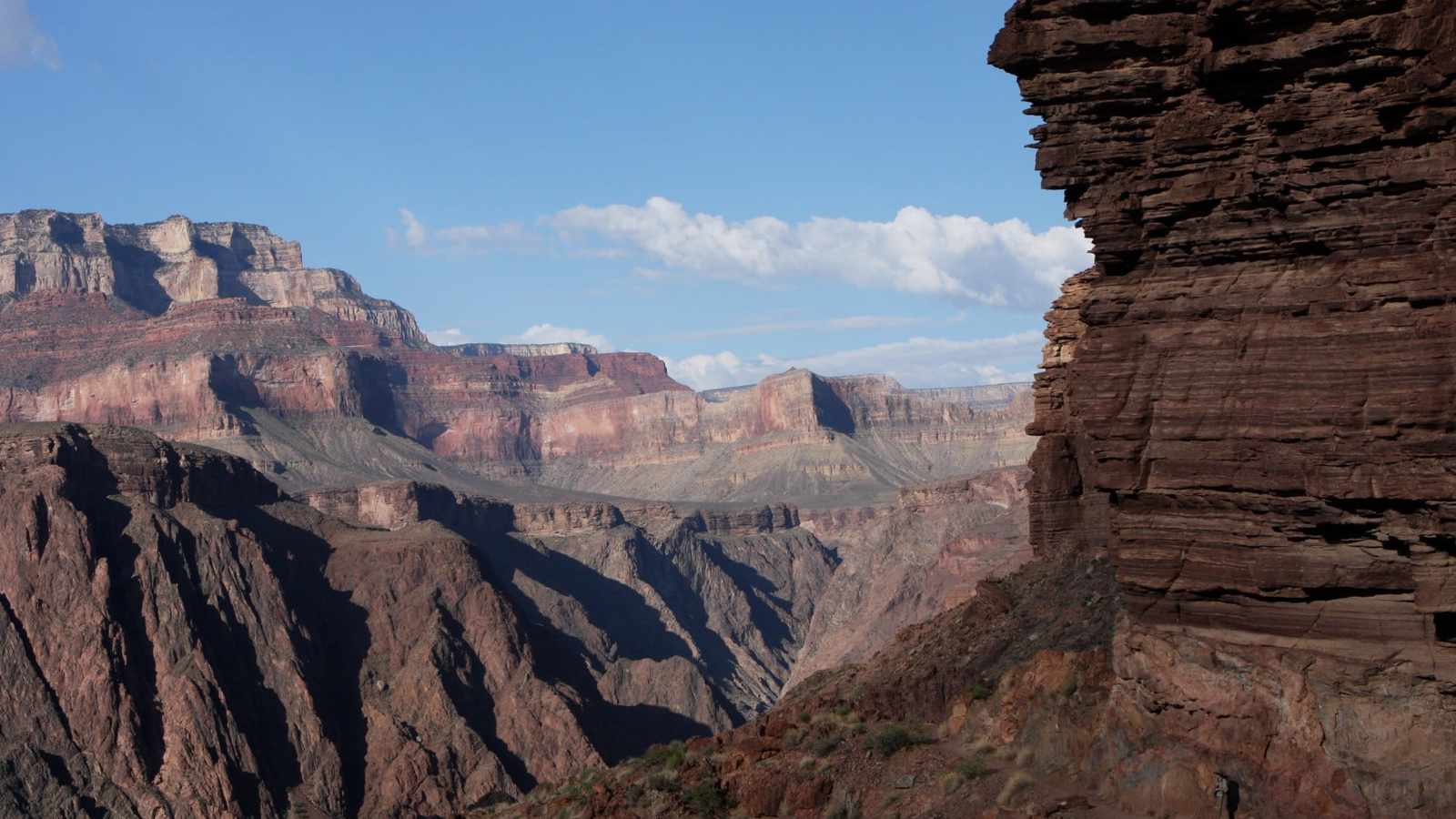
Geologists Propose New Mechanisms for Grand Canyon’s ‘Great Unconformity’
New research explores how mantle convection and ancient cliff erosion removed over a billion years of geological history from the Grand Canyon’s rock record.
-
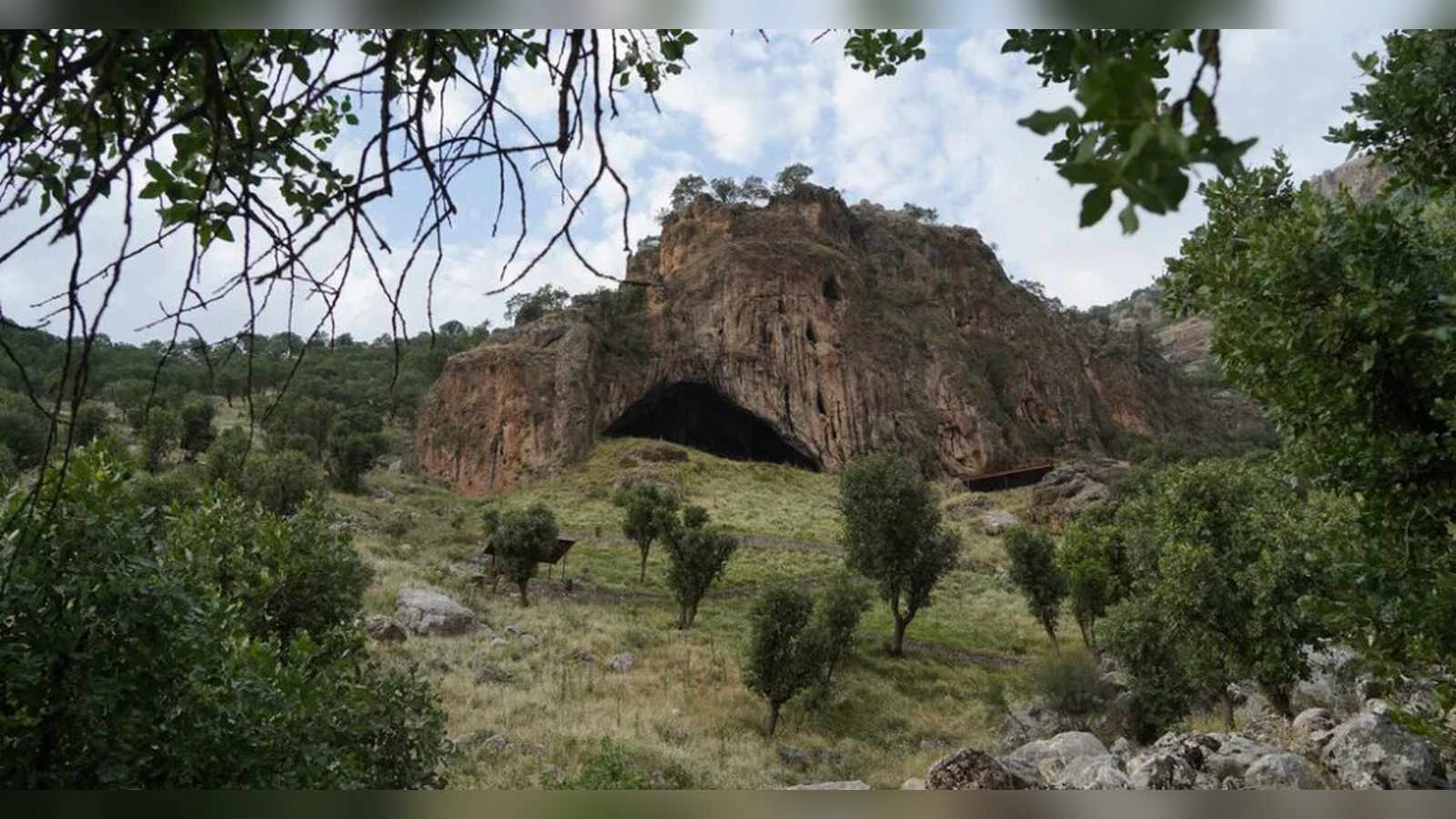
Travertine Molds Reveal Sophisticated Neanderthal Woodworking
Rare travertine limestone molds from Spain and fossil evidence from Iraq show Neanderthals engaged in advanced woodworking and experienced lethal interpersonal violence.
-

Ancient Martian Rock Discovered in the Sahara Reveals Clues About Early Water Systems
A 4.1-billion-year-old Martian meteorite found in Mali reveals crucial geochemical clues about early water systems and planetary evolution on ancient Mars.
-

Why Our Universe Settled on Just One Dimension of Time
Physicists at the University of Belgrade propose that quantum geometric constraints naturally favor three spatial dimensions and one temporal dimension.
-

Mapping the Architecture of Near-Death Experiences Reveals Surprising Geometric Patterns
A new study reveals that near-death experiences reported by 50 people follow consistent patterns of shape and color when mapped.
-

NASA’s Swift Observatory Nears Fiery Reentry After Commercial Rescue Falters
NASA’s Neil Gehrels Swift Observatory faces imminent atmospheric reentry following a failed commercial rescue attempt, ending 22 years of cosmic discovery.
-

JWST Observations Place Interstellar Comet 3I/ATLAS Billions of Years Before Solar System
James Webb Telescope data shows interstellar comet 3I/ATLAS is up to 12 billion years old, offering a rare look at ancient pristine cosmic material.
-

NASA Seeks Commercial Proposals to Rescue and Reboost Aging Hubble Space Telescope
NASA invites commercial proposals to reboost and service the aging Hubble Space Telescope, aiming to prevent its atmospheric reentry in the 2030s.
-
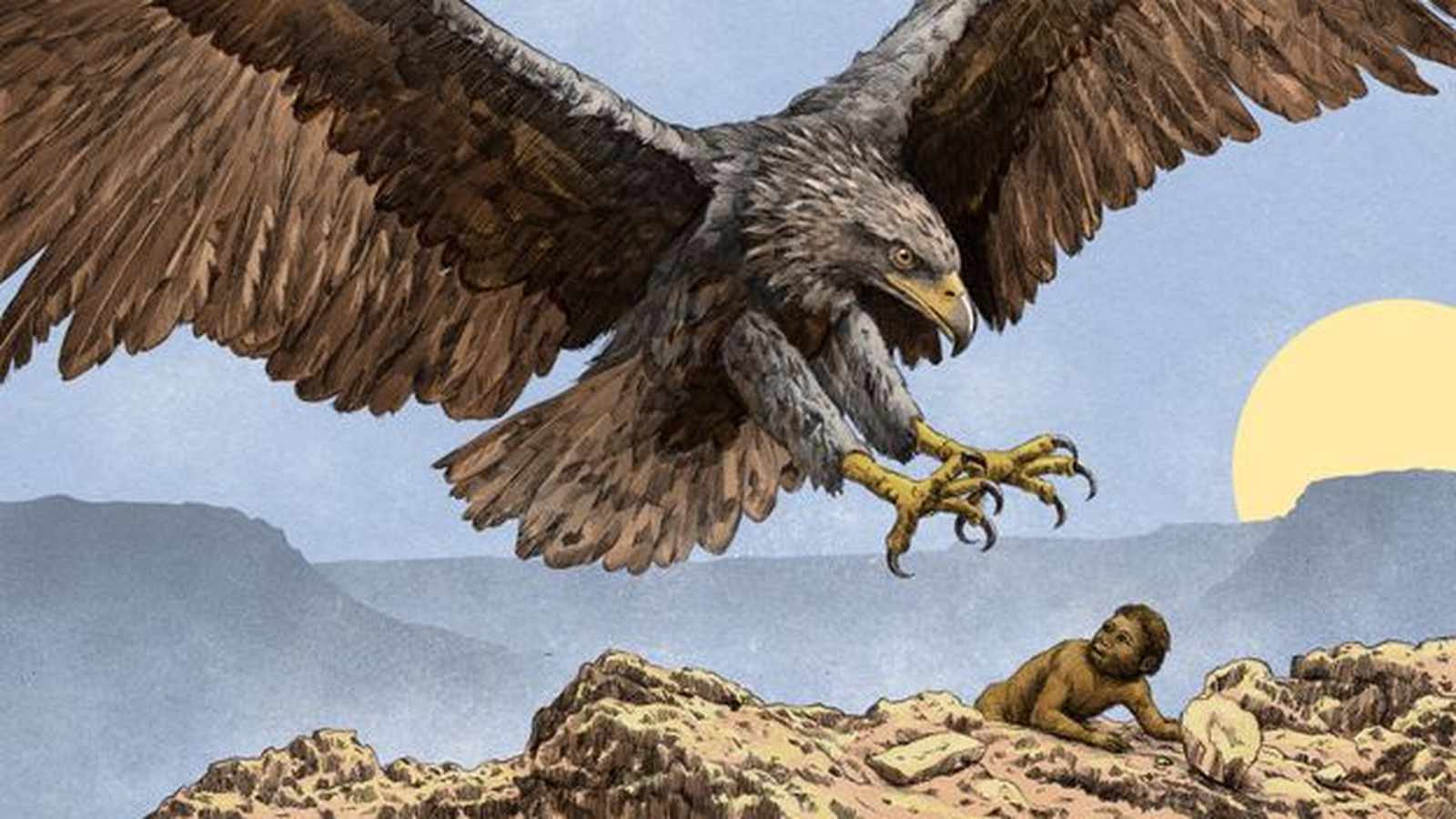
How Prehistoric Raptors Shaped Human Evolution and Survival
Research shows giant prehistoric raptors hunted early humans, leaving fossil marks that reveal how aerial predators drove bipedalism and social cooperation.
-
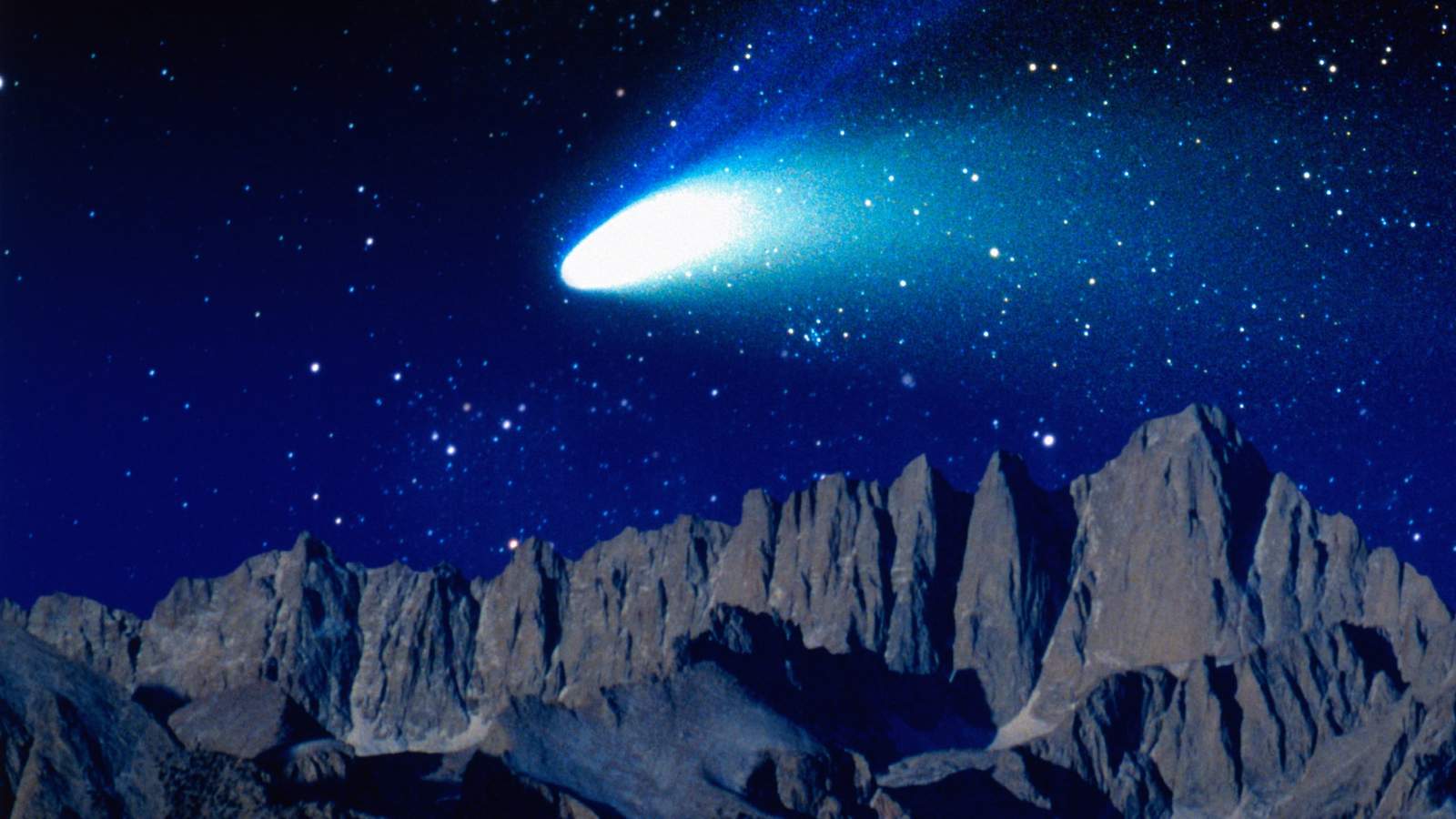
Cambridge Simulations Challenge Comet Life-Seeding Theory
New computer simulations show comets are unlikely to have seeded life on Earth because organic molecules vaporize upon impact.
-
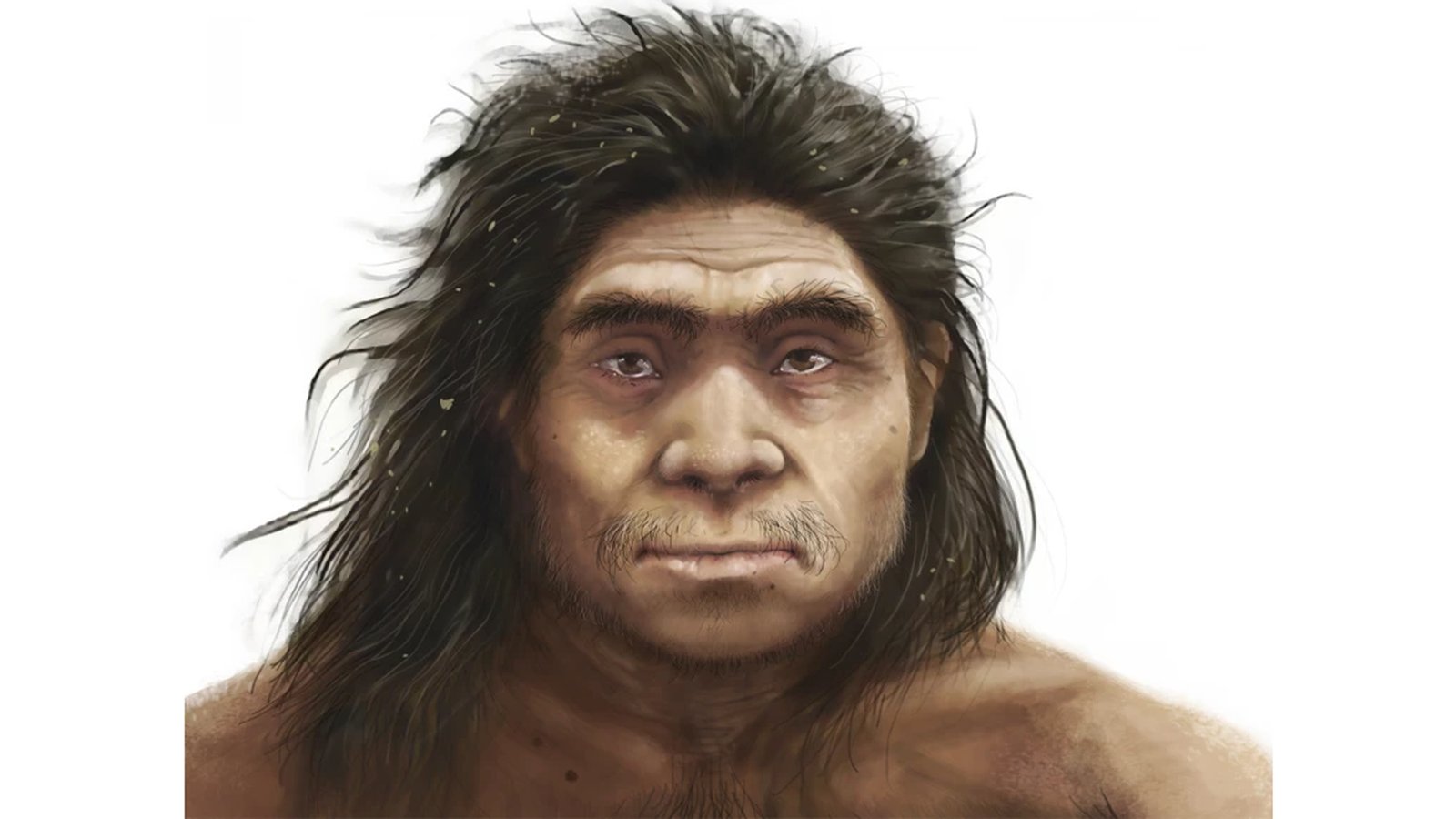
Paleoproteomic Analysis of Xujiayao Fossils Reveals Unique Denisovan Facial Morphology
A study published in Nature on October 21 used paleoproteomics on northern China fossils to reconstruct the distinctive physical appearance of Denisovans.
-

Sotheby’s Prepares Rare Dinosaur Skeleton Auction Amid Ongoing Fossil Market Controversy
A rare mounted Nanotyrannus skeleton nicknamed Jodi heads to Sotheby’s with a $6m to $9m estimate, reigniting debates over private fossil collecting.
-

Radio Waves Drive Plasma Currents in Tokamak Breakthrough
Researchers at General Atomics demonstrated the first observation of auxiliary current drive using helicon waves, advancing continuous nuclear fusion.
-

Columbia Researchers Reveal Why Microplastics Are Chemically Dangerous to Human Biology
A Columbia University study shows microplastics release reactive chemicals in water, offering a mechanism linking plastic exposure to chronic health risks.