


A Strategic Realignment
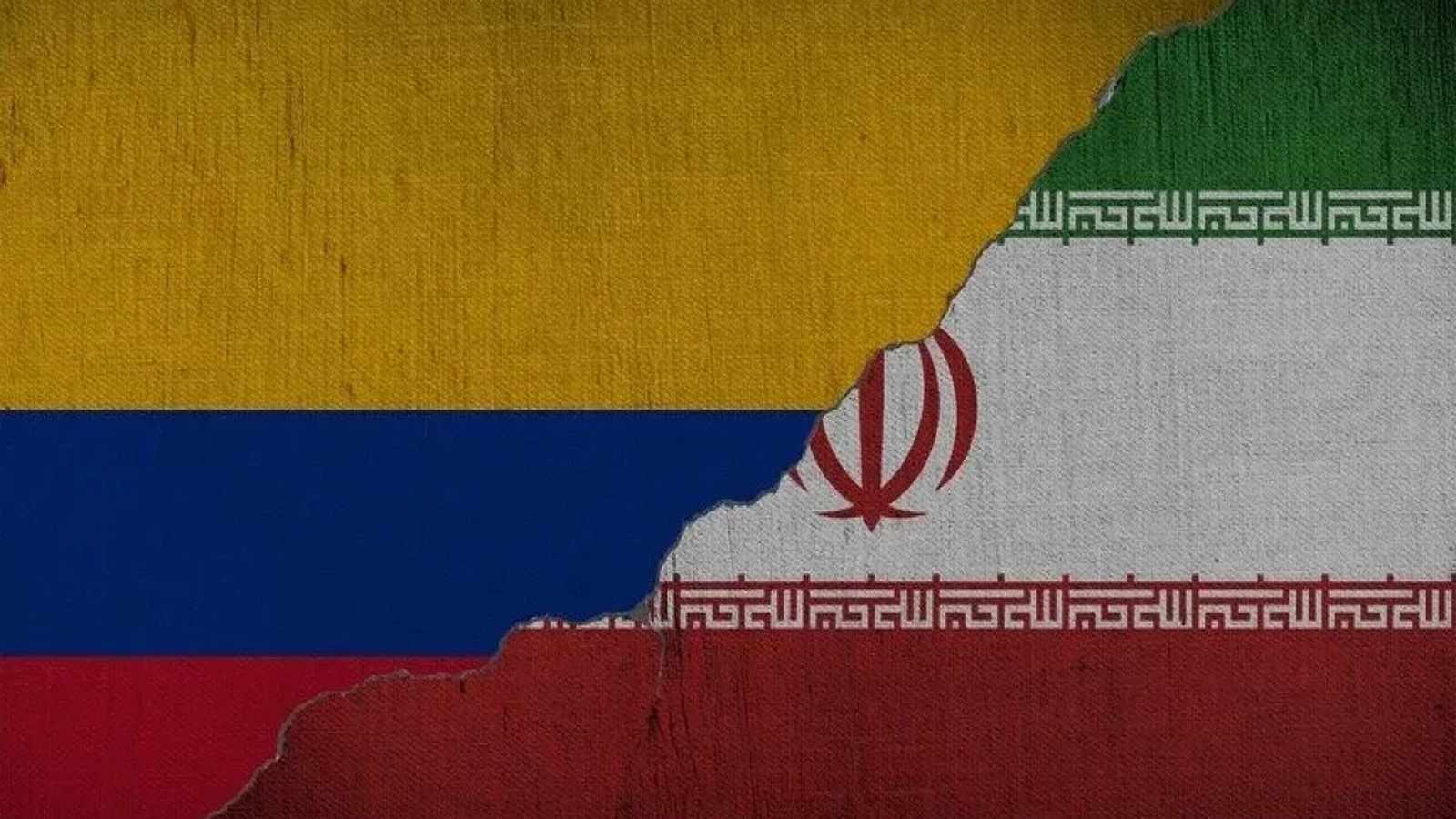
The Colombian government has formally severed diplomatic relations with the Islamic Republic of Iran, a decision that took effect on September 19, 2026. This move, confirmed by the Colombian Ministry of Foreign Affairs, also includes the formal designation of Iran’s Islamic Revolutionary Guard Corps (IRGC) as a terrorist organization. The decision marks a significant departure from the policies of the previous administration and aligns Bogotá more closely with the strategic interests of the United States and the European Union.
According to Telesur English, the Colombian government stated that the IRGC represents a “serious danger to international peace and security.” In a statement, officials cited alleged links between the Iranian government and international groups that threaten Colombian national security, though the government did not publicly disclose specific names or evidence regarding these connections. The ministry further accused Tehran of human rights abuses, regional aggression, and obstructing international nuclear verification efforts.
Diplomatic and Consular Status
Despite the rupture in diplomatic ties, the Colombian government clarified that it is not suspending consular relations. Under the provisions of the 1961 Vienna Convention on Diplomatic Relations and the 1963 Vienna Convention on Consular Relations, consular services for citizens will continue to operate. Colombia’s embassy in New Delhi, India, has been tasked with managing concurrent diplomatic and consular affairs for Iran moving forward.
This decision ends over five decades of diplomatic engagement between Bogotá and Tehran, which dates back to 1975. During the presidency of Gustavo Petro (2022–2026), bilateral cooperation remained active, including meetings between high-level officials as recently as 2023. However, the current administration, led by President Abelardo de la Espriella, has pursued a swift pivot in foreign policy.
Broader Foreign Policy Implications
The decision is part of a broader realignment under President De la Espriella, who has moved to deepen ties with the United States and restore diplomatic relations with Israel—a relationship that had been broken by his predecessor in 2024. As reported by BNO News, the government is now focused on strengthening border controls to prevent individuals associated with the IRGC from entering the country, citing national security concerns. This shift mirrors the approach taken by various regional and international partners who have long classified the IRGC as an international terrorist entity.
The timing of the announcement, which followed a speech by Vice President José Manuel Restrepo at the U.N. General Assembly, highlights the government’s intent to broadcast its new geopolitical stance. By aligning with Washington’s regional policy, Colombia is positioning itself as a central partner in hemispheric security, moving away from the more independent, often critical, stance toward Western Middle East policies held by the previous government.