


Tragic Conclusion to Multi-Day Search in Chaffee County
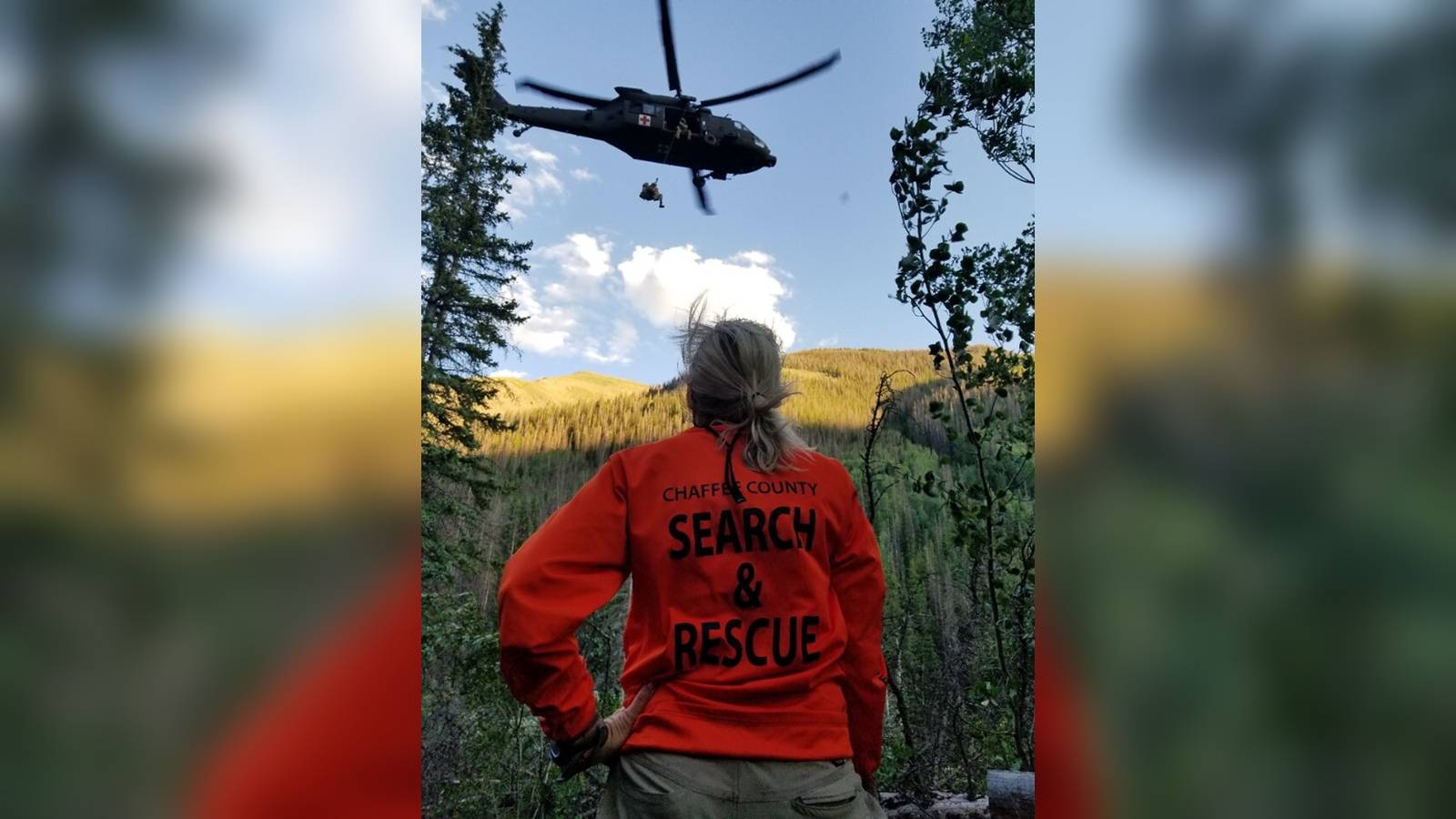
Two missing Colorado Mountain College students who disappeared during a weekend backpacking trip were found dead on Wednesday, October 28, 2026, according to the Hindustan Times. Nineteen-year-old Kaden Matsuda and 20-year-old Jackson Donlon had set out from the college’s Leadville campus on Friday for a challenging hike up Ice Mountain on the eastern slope of the Rocky Mountains in Chaffee County. Search and rescue teams located their bodies around 3:30 p.m. in a basin of West Apostle Mountain after an extensive multi-day operation involving drones, helicopters, and ground personnel.
The students’ disappearance triggered an urgent rescue effort earlier in the week as severe weather swept through the region. According to the New York Post, conditions shifted rapidly from rain to heavy snow around 1 p.m. Saturday, creating hazardous road conditions and leaving a thick blanket of snow across the high-altitude terrain. Rescue crews searching the area on Tuesday previously discovered a collapsed tent buried under the snow near where Matsuda’s vehicle was parked by the trailhead, containing the hikers’ sleeping bags, a stove, and clothing.
Investigation and Sheriff’s Office Findings
Authorities have confirmed that foul play is not suspected in the deaths of Matsuda and Donlon. The Chaffee County Sheriff’s Office stated that a detailed investigation will be conducted in partnership with the Chaffee County Coroner’s Office, alongside pending autopsies to establish the exact cause of death. Officials noted that they would not offer premature theories regarding the incident until the medical examinations are complete.
During the initial stages of the search, investigators examined the students’ cellphones, discovering that neither device had been utilized in the 48 hours preceding the rescue operation. Chaffee County Sheriff Andy Rohrich expressed deep sorrow over the outcome, acknowledging the dedicated efforts of the rescue personnel and volunteers who worked against approaching severe weather to locate the hikers.
Community Response and Technical Climbing Risks
Colorado Mountain College released a public statement expressing profound grief over the loss of Matsuda and Donlon, emphasizing that the institution’s immediate priority is supporting grieving families, classmates, and faculty members at the Leadville campus. The college community rallied behind the rescue teams while respecting the ongoing investigation led by local law enforcement.
The tragedy has underscored the inherent dangers associated with high-altitude alpine routes in Colorado. Ice Mountain sits at nearly 14,000 feet and is classified as a highly technical climb, requiring advanced mountaineering experience even under dry conditions. Sheriff’s deputies previously warned that sudden weather transitions in late October create severe survival challenges for hikers attempting remote technical ascents in the Rocky Mountains.
Expanded Search Dynamics and Backcountry Preparedness
The search operation underwent several shifts as responders worked across difficult high-country terrain. Initially targeting Ice Mountain based on maps and route details provided by friends, rescue crews expanded their focus toward West Apostle Mountain after discovering the collapsed tent near Lake Ann. Law enforcement noted that the students’ climbing gear and advanced footwear were missing from their dorms, vehicles, and campsite, suggesting they had packed for a more rigorous technical push before the storm hit.
Sheriff Andy Rohrich and other search officials repeatedly highlighted that both young men displayed solid backcountry habits and preparation, noting that Matsuda was studying to be a wildland firefighter while Donlon was studying to be a mountain guide. Despite these positive indicators and the utilization of avalanche beacon technology, drones, and specialized faculty volunteers from Colorado Mountain College, the rapid accumulation of heavy snow and shifting drift patterns severely limited visibility and ground access in the high alpine basins.