


Milestone Infections Reach Unprecedented Levels
Confirmed cases of the Ebola virus in the Democratic Republic of Congo surpassed 10,000 on Tuesday, October 27, 2026, marking a grim milestone in what has become the nation’s largest and deadliest epidemic on record. Government data cited by Graphic Online put total infections at 10,060, with virus-related fatalities reaching 4,887. Driven by the rare Bundibugyo species of Ebola—which currently lacks any approved vaccine or specific medical treatment—the outbreak was first announced in mid-May and has since expanded dramatically across 66 health zones in eight provinces.
The fast-moving contagion is now the second-largest and second-deadliest Ebola outbreak in recorded history, trailing only the 2014-2016 West African epidemic that infected over 28,600 people and claimed more than 11,000 lives across Guinea, Liberia, and Sierra Leone. According to New York Daily News, the current surge in Congo has outpaced previous regional timelines, recording at least three times the scale of historical flare-ups in the same timeframe since its declaration.
This unprecedented trajectory has placed intense financial and operational pressure on regional healthcare frameworks. The outbreak has disrupted essential medical services that were already underfunded and overstretched, diverting vital attention away from concurrent public health emergencies such as cholera. Furthermore, maternal mortality has doubled in certain provinces shortly after the outbreak began, as frightened patients avoid hospitals out of fear of infection and mandatory isolation.
Routine healthcare services, including crucial childhood vaccination campaigns, have suffered severe disruptions. Educational continuity has also been compromised, with millions of children facing interrupted schooling in regions where many were already out of class. Families dealing with illness face profound trauma and social stigma, compounding the daily economic hardships experienced by communities across the affected zones.
Cross-Border Transmission and International Response
As infections multiply domestically, health authorities are racing to contain transmissions that have already breached international borders. Kenya reported its first case earlier this month after a traveler who journeyed from Congo through Uganda died in Nairobi, bringing the country’s total to nine cases. Meanwhile, Nigeria confirmed its fourth African infection last week involving the wife of a Swiss diplomat who reportedly contracted the virus in Uganda before she and her husband were evacuated to Switzerland.
Uganda previously managed 20 imported cases in May and June but was declared Ebola-free by the World Health Organization in August. In response to the renewed regional threat, Ugandan authorities announced Sunday that citizens returning with a travel history to Congo must undergo a mandatory 21-day quarantine. To address the mounting continental crisis, African health ministers scheduled an emergency virtual coordination summit to align regional surveillance and response protocols.
During the planning stages of these emergency talks, leadership figures such as Africa CDC head Dr. Jean Kaseya emphasized that the virus respects no borders, demanding faster response mechanisms, greater solidarity, and decisive political action. Concurrently, agencies like the World Health Organization have maintained that while the risk level remains very high inside Congo and high within border-sharing nations, blanket travel or trade restrictions should be avoided in favor of rigorous screening and enhanced preparedness measures.
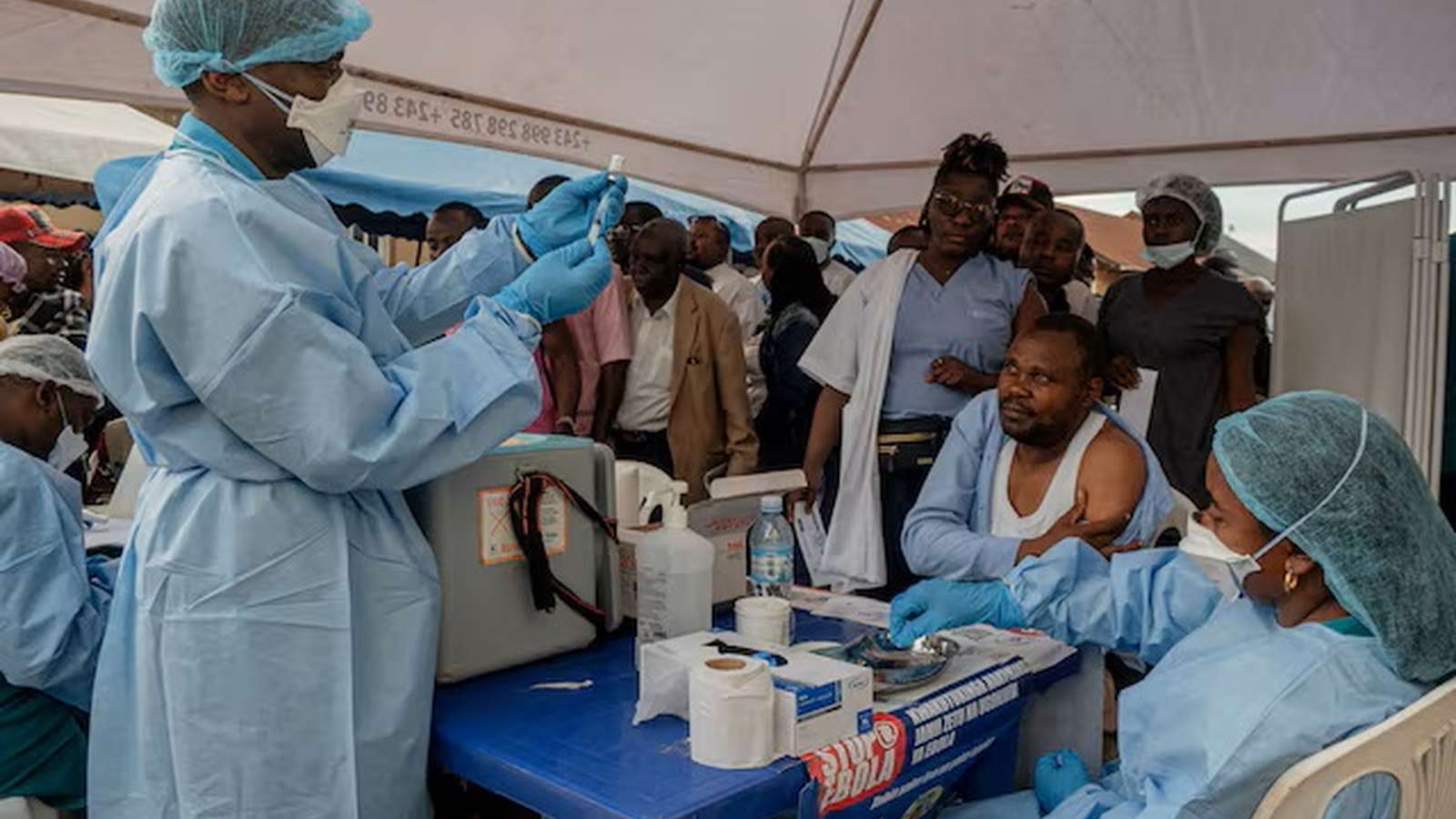
Despite the prevailing gravity, response teams have recorded meaningful victories on the ground. At least 2,600 patients have successfully recovered and been discharged in Congo, highlighted by recent events in Mongbwalu within Ituri province, where health workers in protective gear celebrated the release of the final active patients from a primary treatment center.
Operational Hurdles and Surveillance Gaps
On the ground in Congo’s Ituri province and other affected regions, response teams face severe operational impediments, including armed conflict, poor infrastructure, and persistent community mistrust. Health workers have periodically gone on strike over unpaid bonuses dating back to late August, compounding difficulties in securing community cooperation for safe burials and patient isolation.
Data from the Africa CDC highlights critical surveillance vulnerabilities: approximately 80 percent of recorded new cases continue to emerge outside of monitored contact lists, falling well short of the 95 percent threshold required to confirm epidemic suppression. Furthermore, roughly half of all recorded deaths occur among individuals who never reach treatment facilities, underscoring ongoing gaps in early symptom reporting and patient care.
These persistent structural and security barriers are compounded by localized hostility. Personnel navigating remote areas frequently confront hostile residents who remain skeptical of official interventions or misinformed about the nature of the pathogen. Such resistance directly hinders the safe management of suspected cases and delays timely clinical evaluation.
Ultimately, bridging these critical gaps will require sustained financial investment, reinforced logistical support, and dedicated community engagement officers to build localized trust. Without resolving these fundamental ground-level challenges, regional health institutions warn that containing the relentless spread of the Bundibugyo strain will remain an extraordinarily difficult endeavor.