


Heightened Security Concerns
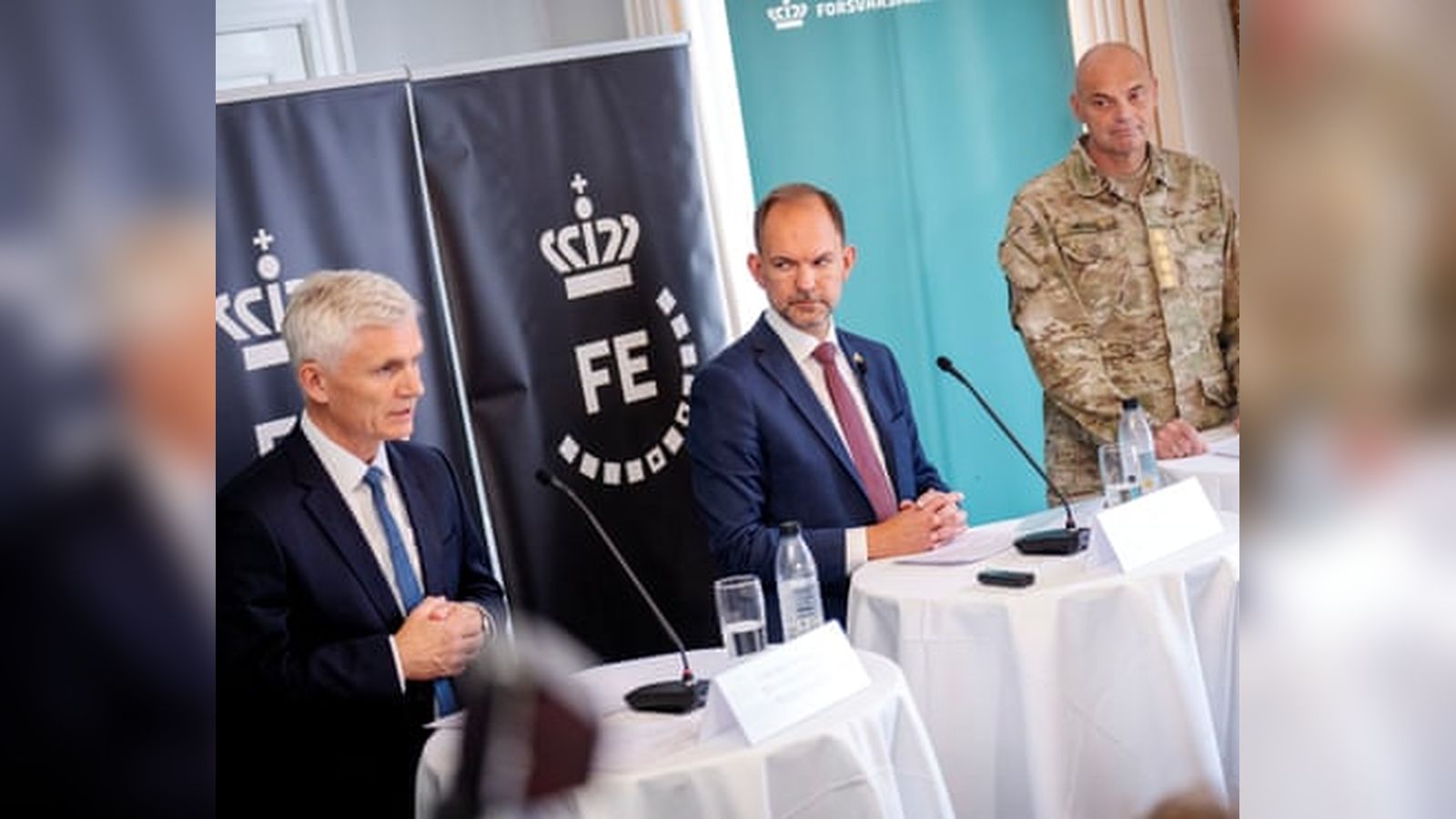
Russia could launch a limited military attack against a NATO member in the coming months, according to a stark assessment released by the Danish Defence Intelligence Service on Thursday. The report highlights a “low but growing risk” that Moscow might execute long-range strikes on infrastructure supporting Ukraine or conduct limited incursions involving small groups of personnel, potentially operating without official insignia.
The underlying reporting is available from The Guardian.
This warning follows a suspected act of sabotage at a Starlink satellite station in central Poland. Krzysztof Gawkowski, Poland’s deputy prime minister, confirmed that a fire at the facility in the Masovian voivodeship was “deliberately designed to disable the station,” which had disrupted internet access for several institutions, including the Ukrainian military. While the perpetrator remains unidentified, Gawkowski noted that the incident aligns with Russia’s evolving doctrine of hybrid warfare.
Escalating Hybrid Tactics
The Danish intelligence report anticipates an intensification of Russian hybrid operations, which could carry “greater consequences” for targeted European states. These actions may include destructive cyber-attacks aimed at crippling essential societal functions, alongside sabotage operations that pose a high risk of civilian casualties. Such tactics are designed to divert European resources away from the war effort in Ukraine and exploit divisions within the NATO alliance.
A source familiar with Moscow’s strategic thinking indicated that the Russian military command perceives certain NATO nations as direct participants in the conflict, alleging they provide intelligence and guidance for missiles and drones. Consequently, the Kremlin likely views these hybrid attacks as a justifiable response to what it characterizes as NATO’s own shadow war against Russia.
Testing Alliance Resolve
The Danish analysis suggests that Russia may be probing NATO’s commitment to Article 5, the alliance’s collective defense principle. Intelligence officials warned of a “risk that Russia assesses that the NATO countries will not respond collectively,” particularly if Moscow doubts the willingness of the United States to support its European allies in a potential escalation. These concerns are compounded by recent political friction within the alliance, including statements from leaders like Slovakia’s Prime Minister Robert Fico, who has questioned his country’s commitment to collective defense.
Ukrainian President Volodymyr Zelenskyy, addressing the UN General Assembly on Wednesday, emphasized that Russia’s threats extend beyond Ukraine to Moldova, Poland, and the Baltic states. He warned that the international community’s failure to restrict Vladimir Putin’s actions increases global insecurity.