


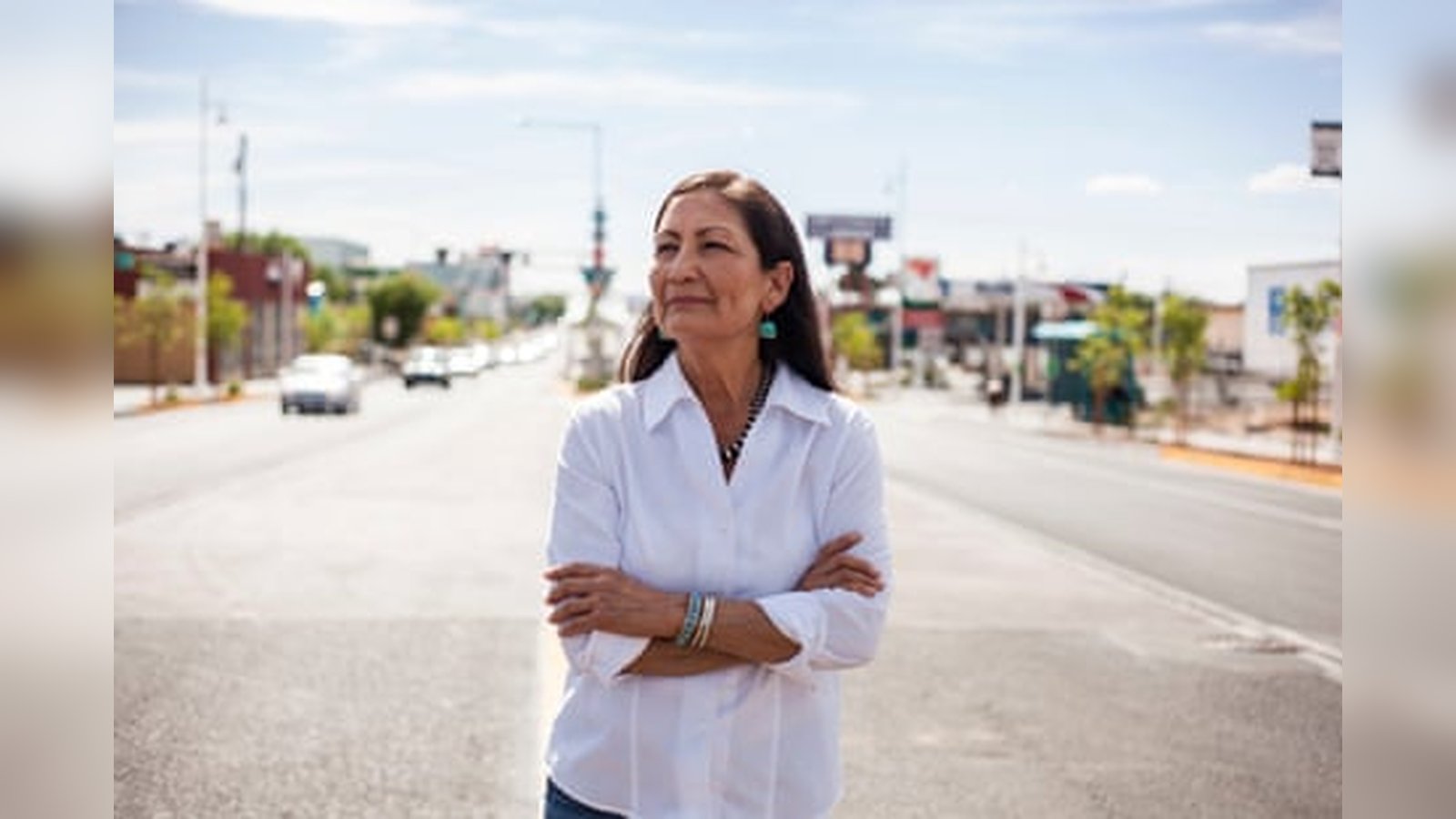
Historic Victory in New Mexico
Former Interior Secretary Deb Haaland won the New Mexico gubernatorial election on November 3, 2026, defeating Republican opponent Gregg Hull and securing a historic milestone as the first female Native American governor in United States history, as reported by The Guardian. Haaland, a Democrat and member of the Laguna Pueblo, defeated Hull, a businessman and the longtime mayor of Rio Rancho, in a contest that underscored the growing political mobilization of Indigenous voters nationwide.
The 65-year-old leader previously broke federal barriers when President Joe Biden appointed her to lead the Department of the Interior in 2021, making her the first Native American cabinet secretary. Her gubernatorial campaign focused on expanding the social safety net, protecting natural resources, investigating historical Native American boarding schools, and addressing missing and murdered Indigenous persons cases.
Pathbreaking Career and National Rise
Haaland’s political trajectory gained national prominence in 2018 when she was elected to the US House of Representatives alongside a prominent wave of progressive lawmakers. During her tenure in Congress, she championed legislation such as the Not Invisible Act to combat violence against Indigenous women. While leading the Interior Department, she oversaw the establishment of a missing and murdered unit within the Bureau of Indian Affairs and advocated for the protection of culturally vital public lands, including Bears Ears and Chaco Canyon.
Throughout her gubernatorial bid, Haaland frequently referenced her personal background as a single mother who relied on government assistance programs such as Medicaid, WIC, and SNAP before earning a law degree in her thirties. Her platform resonated strongly across New Mexico, where Native Americans comprise approximately 12% of the state’s population and have increasingly shaped electoral outcomes.
Broader Electoral Significance and Indigenous Representation
Haaland’s victory unfolds amid a broader national surge in political participation among Indigenous communities. According to data from Advance Native Political Leadership, a record-breaking 358 Native Americans ran for local, state, and federal office during the 2026 midterm election cycle. Political analysts and community advocates noted that her candidacy inspired younger generations and galvanized voters across tribal lands.
The election also highlighted New Mexico’s progressive policy framework under Democratic leadership, which includes universal childcare and expanded voting access. In 2023, New Mexico became the first state to implement an updated Native American Voting Rights Act, granting tribes enhanced authority over polling locations and redistricting following decades of civil rights advocacy.