


Midterm Elections Deliver Setbacks for AI Data Centers
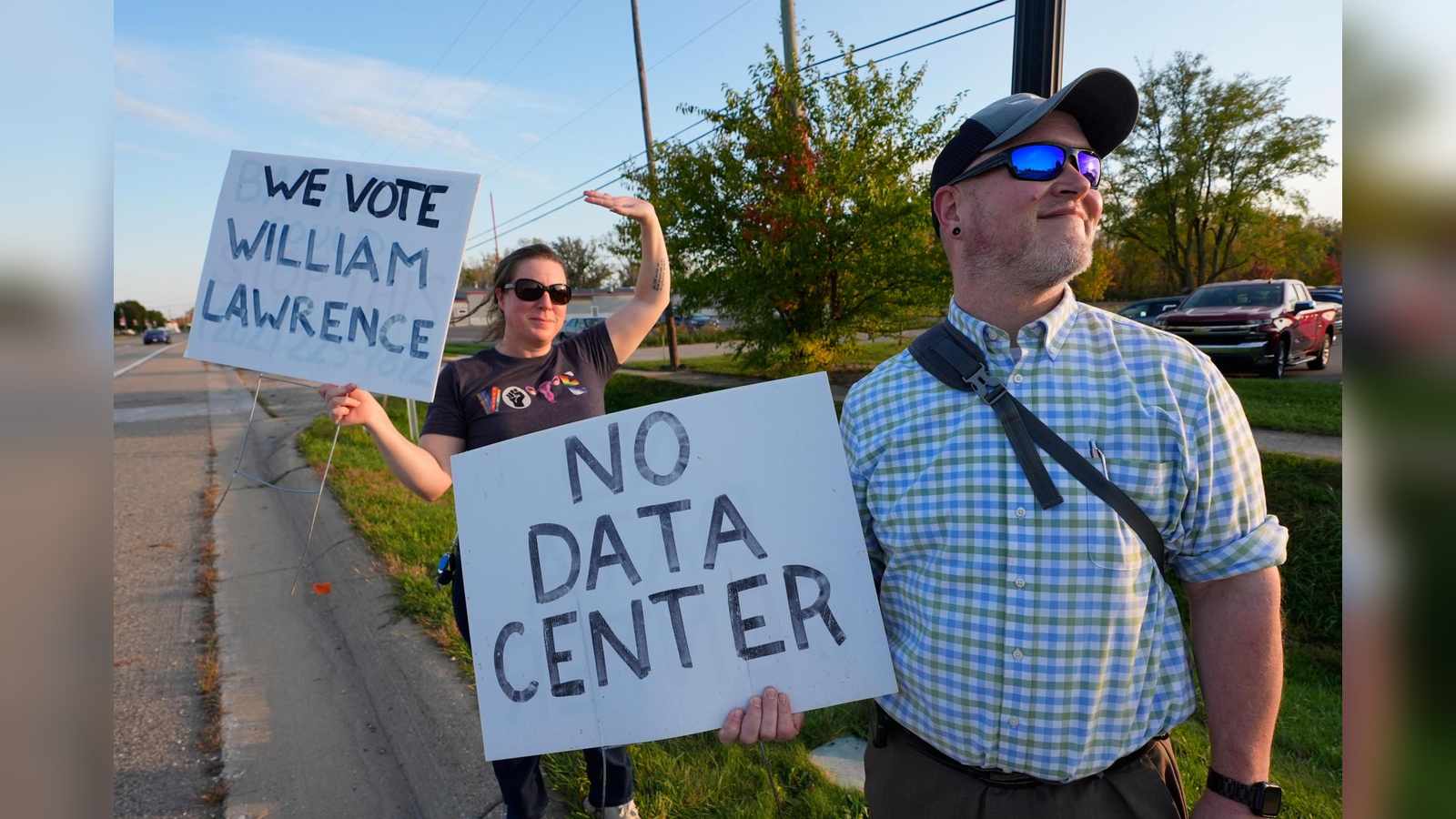
Following the midterm elections concluded in early November 2026, artificial intelligence data center developers and big tech companies face a sharply more hostile political landscape across the United States. According to reporting published by the Chicago Tribune, Democratic candidates who campaigned heavily on moratoriums and stricter rules for energy-hungry server warehouses secured key gubernatorial and legislative victories in critical tech and energy hubs such as Texas, Ohio, Georgia, Nevada, and Iowa.
While data center regulation was rarely a primary ballot measure, hardline opposition became central to Democratic campaign platforms. Campaigns spent more than $380 million on television advertisements mentioning data centers, with Democrats outspending Republicans by more than three to one, according to AdImpact data. In Texas, newly elected state agriculture commissioner Clayton Tucker highlighted water security concerns from ranchers as a pivotal factor in his victory, noting that anxieties over dwindling water supplies fueled intense opposition to massive infrastructure projects.
Statehouses Turn the Tide Against Big Tech Expansion
The political shift extends deep into state government control. Democrats flipped at least five governor offices and took full legislative control in states including Wisconsin, Minnesota, Pennsylvania, Nevada, and Michigan. Data Center Watch, a project of AI security firm 10a Labs, reported that 32 of the 34 victorious gubernatorial candidates in races called by the Associated Press support stronger regulation, with 12 backing outright bans or moratoriums.
In key battleground states, the electoral shifts carry immediate administrative hurdles. Morgan Stanley analysts noted that Democrat Gina Hinojosa’s victory over Republican Gov. Greg Abbott in Texas represents a major flashpoint, as Hinojosa has pledged to block permits unless projects offer clear local benefits. Similarly, Dr. Amy Acton’s election in Ohio creates substantial risks of project delays under new state oversight. Meanwhile, Wisconsin Gov.-elect David Crowley indicated he is weighing mandatory disclosures on water and energy use, community consent prerequisites, and ratepayer protections.
Industry Adaptation and Financial Market Pressures
Faced with mounting political resistance, technology firms and industry groups are attempting to repair public trust. OpenAI released a policy framework outlining new commitments to host communities, calling on lawmakers to establish clear rules for responsible investment. The Data Center Coalition acknowledged that newly elected officials will likely attempt to fulfill campaign pledges, though coalition representative Dan Diorio warned that restrictions could deprive local municipalities of vital tax revenues and economic expansion.
Wall Street has already registered unease. Following the election outcomes, the Nasdaq sank 11% below its all-time high amid investor worries that rising borrowing costs and stricter state regulations could decelerate data center construction. Financial analysts caution that impending restrictions could fracture the domestic market into regions hospitable to infrastructure growth and those imposing outright blocks.