


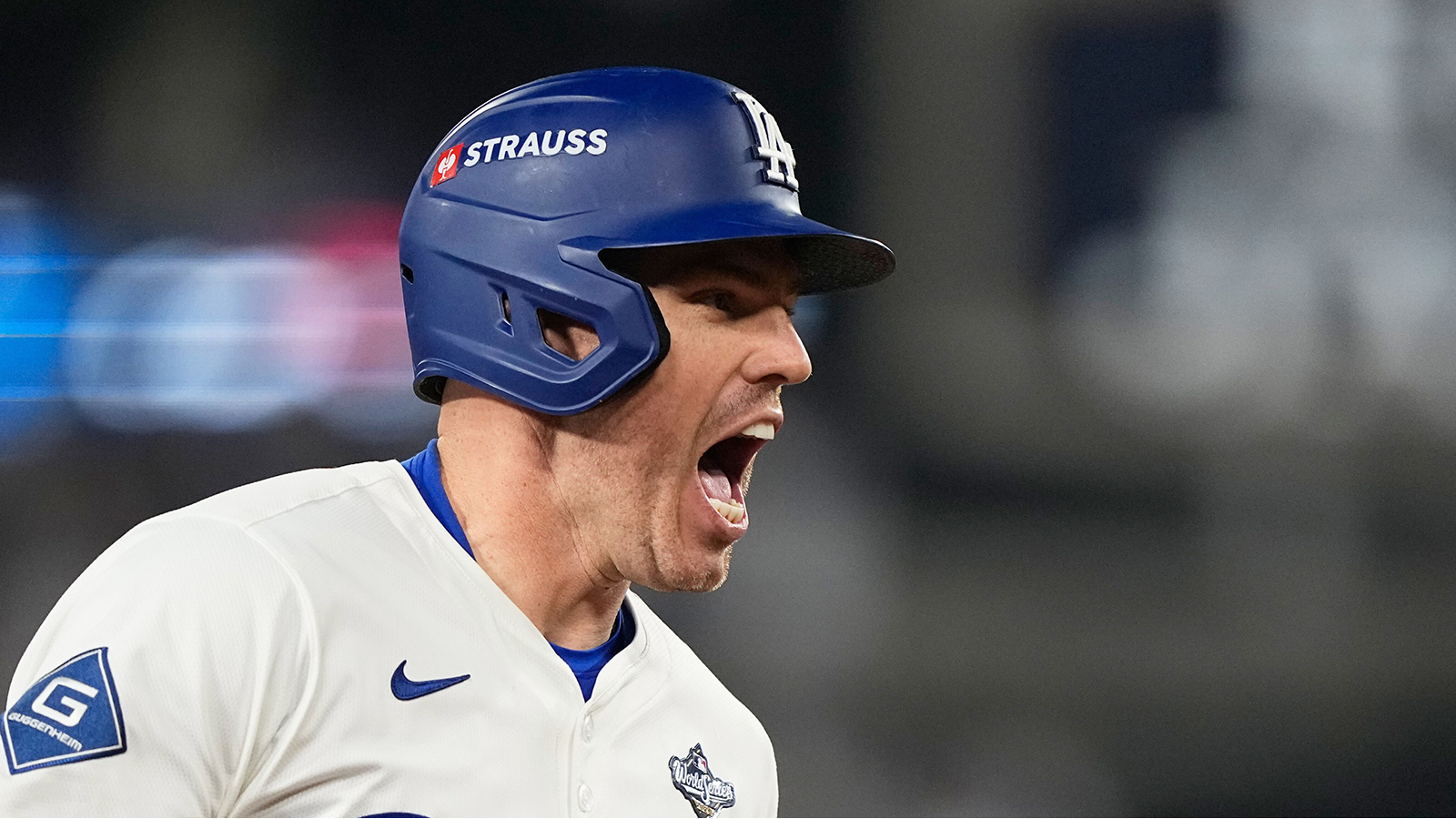
Dodgers Outlast Blue Jays in Historic World Series Showdown
There are moments in sports that test not only the athletes’ endurance, but also the patience and passion of everyone watching. Game 3 of the 2025 World Series delivered one such night at Dodger Stadium, when the Los Angeles Dodgers edged out the Toronto Blue Jays in an 18-inning epic, winning 6-5 and matching the record for the longest World Series game ever played. As the clock ticked into the early morning and fans clung to every pitch, Elex Michaelson was there, capturing the pulse of the stadium and the magnitude of the moment for CNN’s “The Story Is with Elex Michaelson.”
Elex Michaelson: At the Heart of the Action
For viewers across the country, Michaelson’s coverage was more than a recap—it was a window into the electric atmosphere that gripped Los Angeles. As Andy Scholes joined him live from the stadium, the conversation quickly moved beyond box scores and stats. Michaelson’s interviews honed in on the emotional rollercoaster experienced by fans, players, and city residents alike. His questions dug into the nerves of a city with high expectations and the relief—and exhilaration—of seeing their team come out on top in a game that felt endless.
“This wasn’t just baseball,” Michaelson explained on air. “It was a test of will, a showcase of grit, and a reminder of why we care about these games in the first place.” His reporting, marked by genuine curiosity and a knack for storytelling, captured scenes of exhausted but jubilant fans, families huddled together in the stands, and the palpable tension on the field with every pitch and swing.
From the Dugout to the Broadcast Booth: Marathon Moments
The Dodgers’ victory wasn’t just historic for its duration. It also reflected the deep drama and unpredictability that defines October baseball. Throughout the 18 innings, both teams traded blows—lead changes, missed opportunities, clutch plays, and heartbreaks. The game’s length tested not just the players’ stamina, but also the broadcasters’, with Michaelson and Scholes adapting as the night wore on, improvising coverage and keeping viewers engaged.
Michaelson’s on-the-ground perspective provided vivid details: how the stadium lights seemed to glow brighter with each passing hour, how the dugouts became sanctuaries of hope and fatigue, and how, even as exhaustion set in, the energy in the crowd never truly faded. He described fans as “running on adrenaline and faith,” many refusing to leave even as midnight approached, clinging to the possibility of witnessing history.
The broadcast captured the drama not only on the field but in the stands and press box—a marathon for all involved. Scholes, in his conversation with Michaelson, noted, “I’ve covered hundreds of games, but rarely have I felt the stakes so intensely for so long.”
Why This Game Resonates: Community, History, and the Power of Sports
Michaelson’s coverage wasn’t just about the game itself—it was about what the game represented. For Los Angeles, the win was more than a step toward a championship. It was a moment of unity and pride, especially in a city often divided by its size and diversity. As the Dodgers took a two-games-to-one lead in the best-of-seven series, Michaelson reflected on how sports moments like these can bring together neighbors, coworkers, and even strangers.
He highlighted stories of lifelong fans, some attending their first World Series game, others passing traditions down through generations. The broadcast showed snippets of families sharing snacks, children fighting off sleep, and elderly fans reliving past glories. Each vignette added depth to the game’s significance, making it clear that this was about more than baseball—it was about community, memory, and hope.
Michaelson’s ability to weave these narratives into his reporting is what sets his journalism apart. He didn’t shy away from the tough questions: What does this win mean for a city that has faced so many challenges? How does a single game fit into the broader tapestry of Los Angeles sports history? His approach invited viewers to consider the stakes beyond the scoreboard.
Elex Michaelson’s Role in Modern Sports Journalism
In an era where sports coverage can often feel formulaic, Michaelson’s style is a breath of fresh air. He balances factual reporting with human interest, never losing sight of the bigger picture. The Dodgers’ marathon win provided the perfect canvas for his strengths—real-time analysis, thoughtful interviews, and moments of unscripted emotion.
As CNN continues to expand its sports coverage, Michaelson has become a recognizable figure for his ability to connect with viewers, whether through breaking news or quiet reflections on the sidelines. His segment with Andy Scholes exemplified a collaborative approach, mixing expert analysis with on-the-ground storytelling.
For fans who missed the game, Michaelson’s recap offered not just the details of the win, but a sense of what it felt like to be there. For those who watched, it provided context and closure, framing the marathon as a chapter in a much larger story—one that will be remembered for years.
Looking Ahead: Dodgers’ Next Steps and the Media’s Role
With the Dodgers now ahead in the series, the city’s hopes are high. Michaelson’s coverage reminds viewers that every game is more than a contest—it’s a shared experience. As the World Series continues, the focus will shift to strategy, resilience, and perhaps another night where history is made.
Michaelson’s work, as evidenced in this marathon broadcast, underscores the importance of on-the-ground reporting in the digital age. His ability to adapt, to listen, and to highlight the human side of sports ensures that fans don’t just get the facts—they get the story behind the score.
Michaelson’s coverage of the Dodgers’ historic win stands out not only for its accuracy but for its depth and humanity. By capturing the emotions, stories, and communal spirit at Dodger Stadium, he transformed a marathon baseball game into a testament to endurance, connection, and the enduring power of sports to unite a city.