


A New Chapter in the Woods Legacy
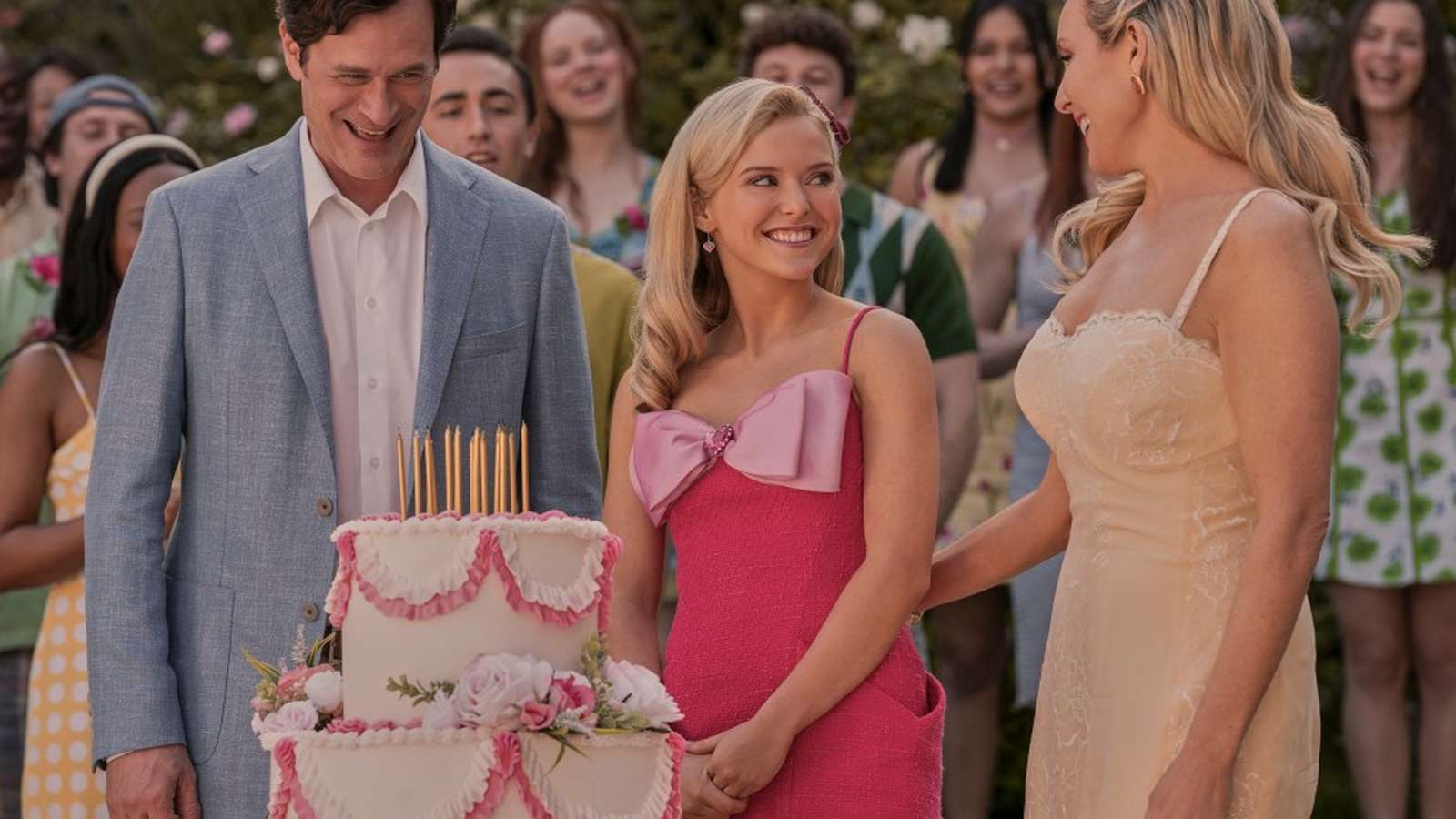
Amazon Prime Video officially released all eight episodes of Elle on July 1, 2026, marking a significant expansion of the Legally Blonde franchise. Produced by Reese Witherspoon’s Hello Sunshine banner and created by Laura Kittrell, the series serves as a prequel set in 1995, detailing the formative high school years of the iconic Elle Woods, played by Lexi Minetree. While the show aims to capture the optimism and “girly-girl” energy that defined the 2001 original film, it arrives at a time when the streaming landscape is heavily saturated with nostalgia-driven YA content.
Reported Reception and Production Context
Initial reviews highlight the strength of Lexi Minetree’s performance, with critics noting her ability to channel Witherspoon’s mannerisms and emotional resonance. The production design has been widely praised for its commitment to 1995 period accuracy, utilizing a soundtrack of grunge-era hits and cultural touchstones like beepers and specific hair styling products to ground the show in its era. Despite this, the series has faced criticism for a narrative structure that mirrors the original film too closely, leading some reviewers to view it as a remake rather than a distinct prequel.
Analysis: The Challenge of the Prequel Format
The core tension in Elle lies in its attempt to replicate the “fish out of water” narrative arc of the original film while transplanting the setting from a high-stakes law school environment to a rainy Seattle high school. By moving Elle Woods to the Pacific Northwest, the show creates a thematic divide between her hyper-feminine, optimistic aesthetic and the cynicism of the grunge-era student body. While this provides a clever contrast, it also highlights the show’s primary weakness: it is more comfortable leaning on established lore than forging a unique identity.
The inclusion of social and political subplots—such as the advocacy for underpaid school staff—attempts to modernize the character’s journey, yet these threads often feel secondary to the show’s preoccupation with its own predecessor. Furthermore, the decision to include queer themes, as highlighted by the cast in recent press, signifies a conscious effort to acknowledge the character’s status as a “gay icon,” though critics note that some character choices, particularly in interpersonal relationships, occasionally diverge from the established “girl’s girl” ethos of the character.
Ultimately, Elle functions as a successful exercise in brand extension. For fans of the franchise, the show offers a comforting return to a familiar character, bolstered by high production values and a strong lead. However, its reliance on the “Legally Blonde” formula suggests that the series is content to exist within the shadow of its inspiration, prioritizing comfort over innovation.