


Incident Overview and NTSB Findings
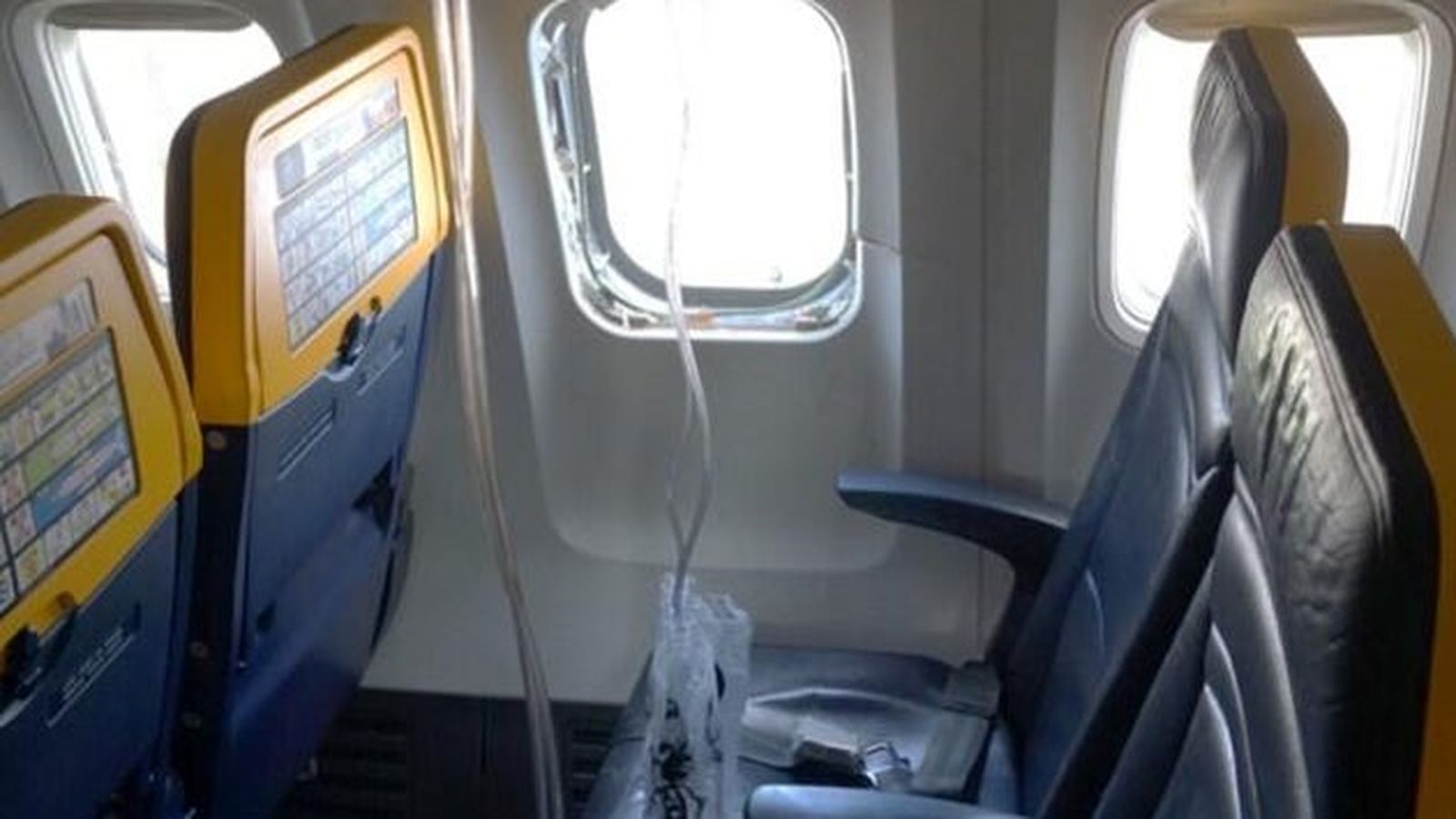
The U.S. National Transportation Safety Board (NTSB) released a preliminary report on August 13, 2026, detailing the catastrophic engine failure experienced by a Ryanair flight on July 10. The incident, which occurred shortly after takeoff from Thessaloniki, Greece, resulted in a fan blade breaking off from the aircraft’s No. 2 engine, shattering a cabin window and partially pulling a 61-year-old passenger out of the fuselage.
Investigators discovered biological remains, including feathers, inside the failed engine, indicating a bird strike occurred during the climb. The debris from the engine, including three recovered fan blade fragments, breached the aircraft’s skin and shattered a window in row 11. The passenger, identified as Ljubisa Karović, was held inside the cabin by fellow travelers until the aircraft could safely descend and return to Thessaloniki.
Maintenance and Regulatory Context
The Boeing 737-800, operated by Ryanair subsidiary Malta Air, had undergone ultrasonic inspections of its fan blades as recently as May 2026, with no faults reported. However, the NTSB noted that the engine had been subject to four suspected bird strikes over the preceding 12 months. While the airline maintained the aircraft according to standard schedules, the NTSB and independent experts are scrutinizing whether these prior events contributed to metal fatigue.
A critical point of the investigation involves safety modifications mandated for U.S.-registered aircraft by the Federal Aviation Administration (FAA). Following similar engine failures in previous years, the FAA required airlines to strengthen engine inlet coverings and replace specific fasteners. The deadline for these modifications is July 2028. Because Ryanair is an Irish carrier, it is not strictly bound by FAA regulations; the aircraft involved had not yet undergone these specific upgrades.
Operational Timeline
Flight FR1879 experienced high-vibration alerts shortly after departure. The crew initially attempted to manage the situation on autopilot, but as vibrations intensified and a loud bang was heard, they declared an emergency. The cabin lost pressure, and oxygen masks were deployed. Despite the severity of the damage, the flight crew managed an uneventful landing back at Thessaloniki. No other passengers were physically injured, though the incident has sparked a broader conversation regarding the risks of bird strikes and the efficacy of current engine integrity inspection protocols.