


A Major Shift in Naval Engineering
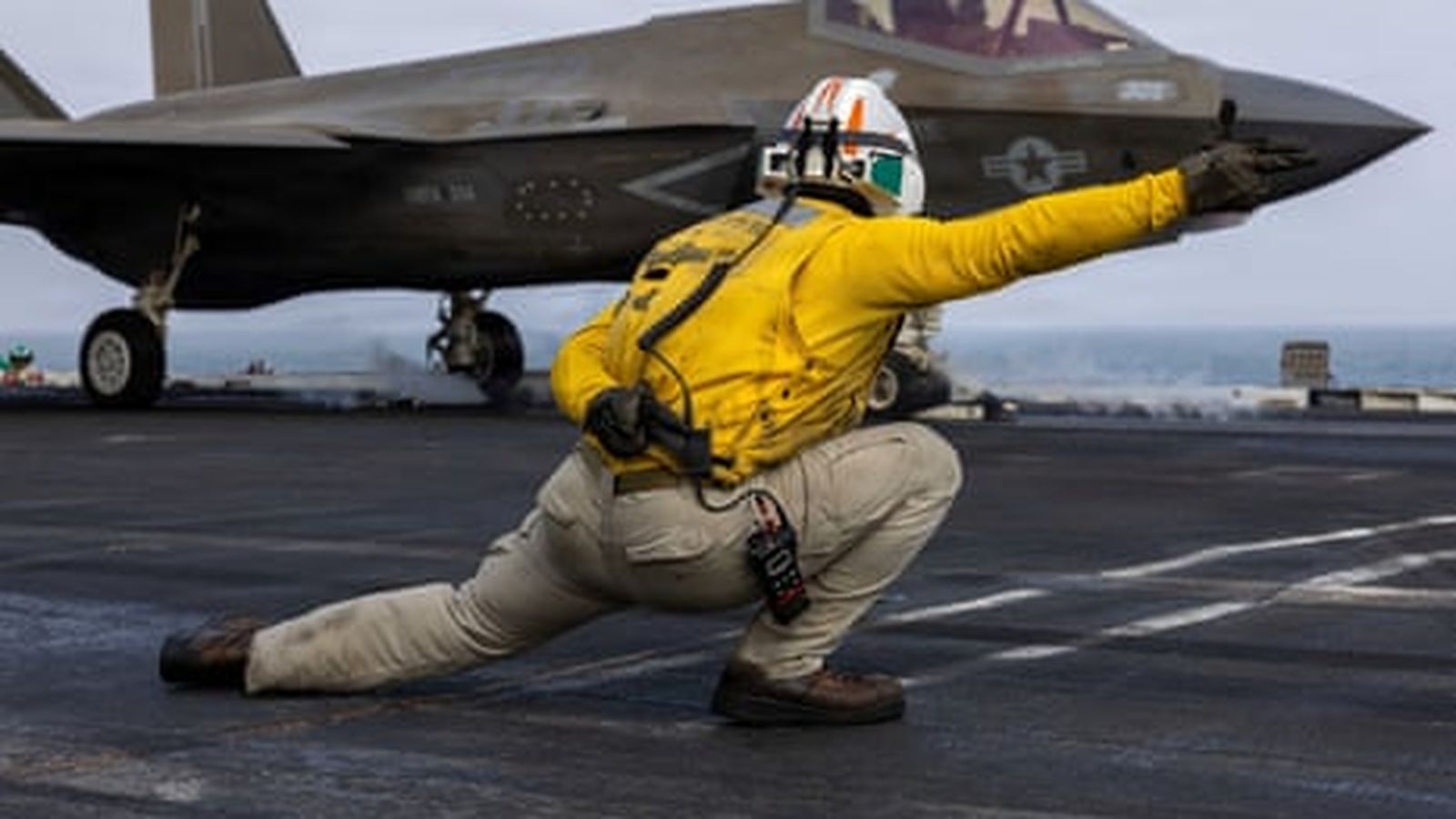
President Donald Trump has issued a formal directive to the U.S. Navy to abandon the Electromagnetic Aircraft Launch System (EMALS) on future Ford-class aircraft carriers, ordering a return to traditional steam-powered catapults. The mandate, issued on Thursday, August 13, 2026, marks a significant reversal in U.S. naval engineering policy, moving away from the advanced magnetic technology currently utilized on the USS Gerald R. Ford.
The presidential memo requires the Pentagon and the Navy to submit a comprehensive plan within two months for the transition. The order specifically targets the construction of the USS Doris Miller, the fourth vessel in the Ford-class series, which will now be redesigned to accommodate steam catapults. The USS Gerald R. Ford, the USS John F. Kennedy, and the USS Enterprise are expected to remain unaffected by this immediate shift.
Technical and Financial Stakes
The decision to revert to steam technology carries heavy financial and logistical implications. General Atomics, the primary contractor for the EMALS system, cautioned that the change of course introduces “significant cost, schedule, and integration risks.” According to industry reports, work on the catapults and arresting gear for the USS Doris Miller is already approximately 50% complete. Reengineering a finalized ship design is projected to cost hundreds of millions of dollars and could lead to substantial program delays.
Beyond the immediate construction costs, the move touches on a long-standing debate regarding military maintenance. President Trump has frequently voiced skepticism toward the “digital” complexity of EMALS, often citing anecdotal conversations with naval personnel who favor the mechanical simplicity of steam systems. Proponents of the electromagnetic system, however, argue that EMALS offers superior launch rates, requires significantly fewer personnel to operate, and occupies less space on the flight deck.
Operational Readiness Concerns
The transition arrives at a challenging time for the Navy, which is currently grappling with recruitment and retention issues. The electromagnetic system was designed to reduce the number of sailors required to operate catapults from a dozen to just two. Reverting to steam-powered systems may necessitate a larger crew, potentially exacerbating the current staffing strain across the fleet. Furthermore, the directive coincides with intense budgetary negotiations in Congress, as lawmakers weigh a $95 billion supplemental funding package that includes support for the ongoing conflict in Iran.
While the administration emphasizes the need for systems that can be maintained with “a hammer and a blowtorch,” global competition in naval technology remains fierce. Both Chinese aircraft carriers and planned French vessels have adopted or are planning to adopt electromagnetic launch systems, viewing them as the modern standard for power projection at sea.