


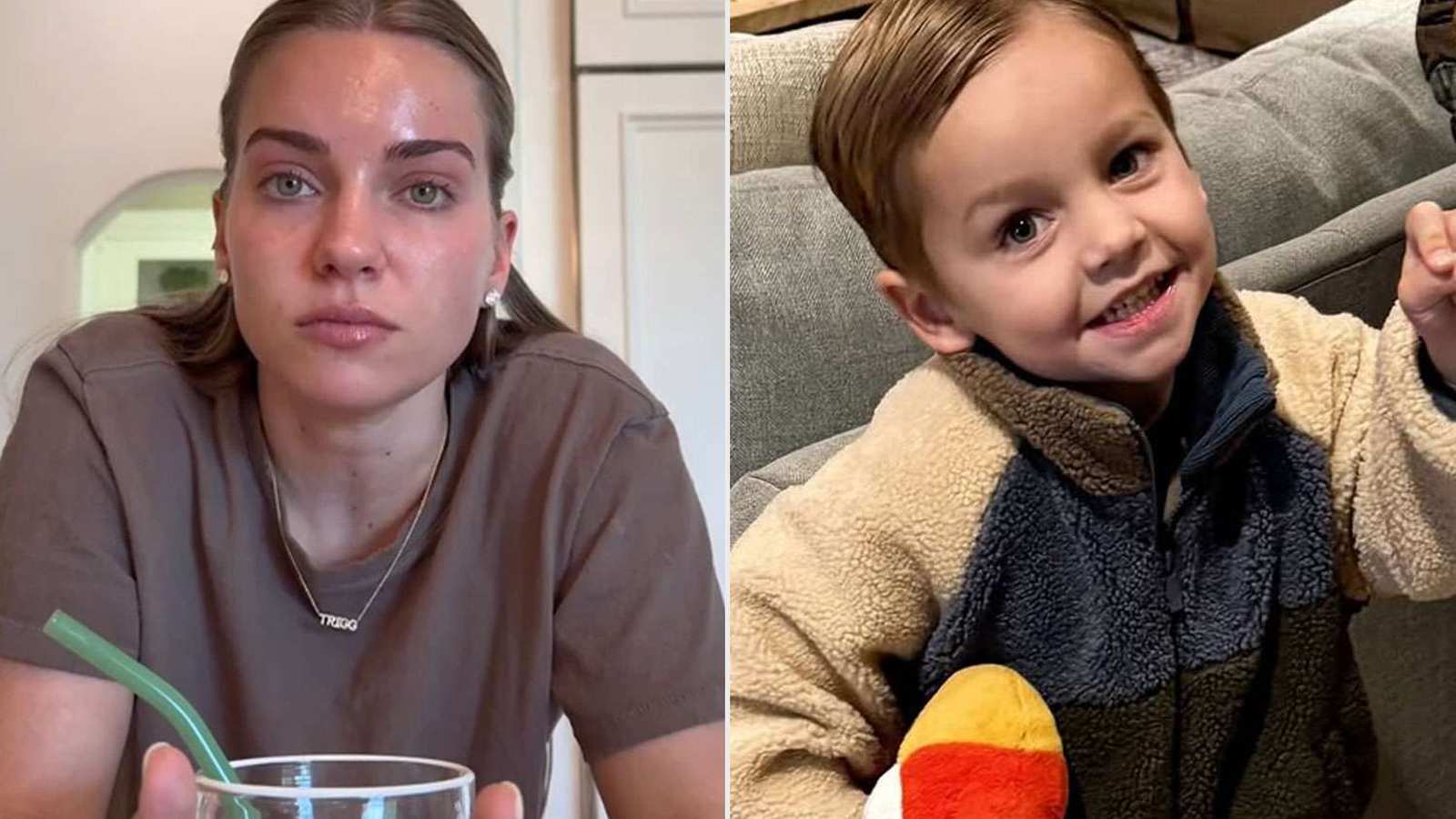
Emilie Kiser, a well-known parenting influencer, faced a devastating loss when her three-year-old son, Trigg, tragically drowned in the family’s backyard pool. This incident has not only reshaped her personal life but has also cast a spotlight on issues surrounding grief, internet boundaries, and child safety. Kiser’s journey through grief and her cautious return to social media offers a complex narrative of vulnerability, resilience, and reflection.
The Incident: A Tragic Loss
On May 12, Emilie’s husband, Brady Kiser, was at home caring for their two sons while she was out with friends. According to a police report, Trigg fell into the family’s pool while playing with an inflatable chair. Surveillance footage later revealed that the toddler had been unsupervised for over nine minutes, with seven of those minutes spent in the water. Brady discovered Trigg unconscious and immediately called emergency services. Tragically, despite being hospitalized, Trigg passed away six days later.
Adding to the complexity of the incident, the report detailed that Brady had placed a $25 sports bet on an NBA playoff game earlier that evening. The timing of the bet, coupled with the loss of supervision, painted a picture of divided attention during a critical moment. Despite initial police recommendations for a child abuse charge, the Maricopa County Attorney’s Office concluded there was insufficient evidence for a conviction, declaring the incident a tragic accident.
Emilie’s Return to Social Media
After months of silence, Emilie Kiser cautiously resumed her social media activities, starting with a heartfelt TikTok video. Wearing a necklace bearing her son’s name, she addressed her followers with raw honesty about her grief and the challenges of returning to a public platform. Emilie emphasized her intent to set boundaries around what she shares moving forward, noting that while social media has been a therapeutic outlet, it also requires careful navigation.
In her video, Emilie expressed gratitude for the community she had built online, calling it a source of comfort and connection. However, she also acknowledged the need for privacy, particularly in the wake of such a deeply personal tragedy. She spoke candidly about the difficulty of balancing authenticity with the potential emotional toll of sharing her grief online.
“I miss talking to you guys, but I don’t know what that’s going to fully look like,” she said. “The last thing I want to do is overshare or put myself in a position where I’m not ready to process what I’m sharing.”
The Broader Implications: Grief and Online Boundaries
Emilie’s story has sparked important conversations about the intersection of grief and social media. As an influencer, her life has been shared with millions, but the tragedy underscored the limits of public visibility. In her statements, Emilie reflected on how relationships online often lack boundaries, particularly when it comes to protecting children’s privacy. She expressed a commitment to establishing clearer boundaries in her content, ensuring that her family’s personal moments are shielded from undue scrutiny.
This incident also highlighted the emotional labor required of influencers who rely on authenticity as part of their brand. Emilie’s willingness to be vulnerable while maintaining a degree of privacy serves as a reminder that even those who share their lives online deserve the space to heal and process difficult experiences.
Child Safety and Accountability
The tragedy has brought renewed attention to child safety, particularly around pools and other potentially hazardous environments. Experts emphasize the importance of constant supervision, secure barriers, and swimming lessons for young children to prevent similar accidents. The case also raises questions about parental accountability and the role of distractions, such as technology and leisure activities, in compromising child safety.
While Brady Kiser faced public scrutiny for his actions on the day of the incident, the legal system ultimately classified the event as an accident. The case serves as a sobering reminder of how quickly everyday moments can turn tragic and the importance of vigilance in protecting young children.
A Journey of Healing
In the months following Trigg’s death, Emilie has shared glimpses of her healing journey, emphasizing the day-by-day nature of coping with loss. She has expressed gratitude for the support she has received from her online community while reiterating her need for time and space to navigate her grief.
Through her cautious return to social media, Emilie hopes to use her platform to connect with others who may be experiencing similar pain. While she acknowledges that she is not yet ready to share the full extent of her journey, her openness about the challenges of grieving publicly has already resonated with many.
Emilie Kiser’s story is a poignant example of resilience in the face of unimaginable loss. Her journey underscores the complexities of balancing personal grief with public life and highlights the importance of boundaries, safety, and community support in navigating life’s most difficult moments.