


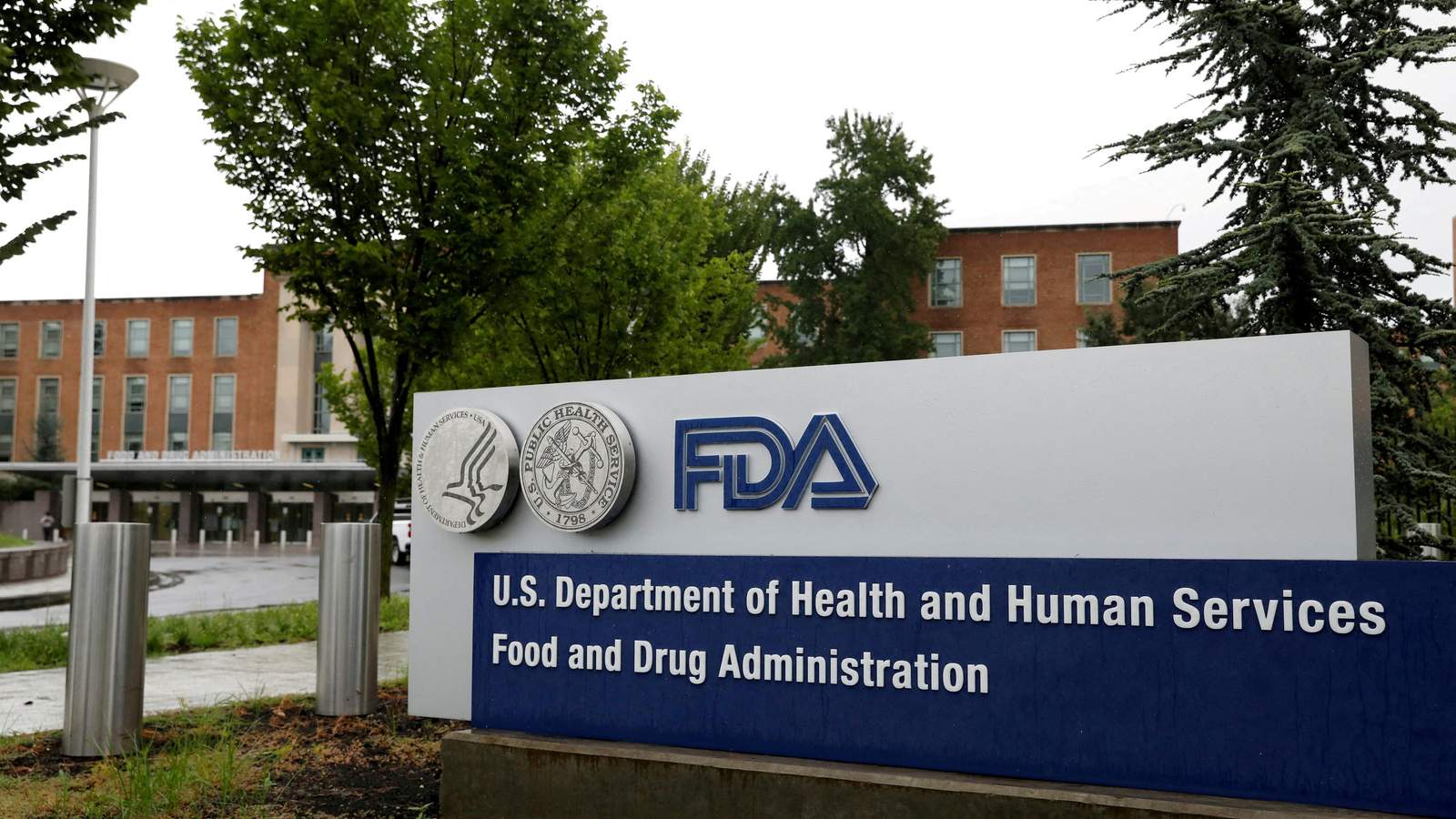
FDA Approves First Oral Diabetes Drug for Heart Attack and Stroke Prevention
The U.S. Food and Drug Administration (FDA) has recently made a landmark decision that could reshape the way doctors treat type 2 diabetes and its associated heart risks. Rybelsus (oral semaglutide) is now the first oral medication approved to not only manage blood sugar but also reduce the risk of heart attacks and strokes in diabetic patients. This dual benefit is more than just a clinical milestone—it’s a new paradigm for treating chronic disease in a world where diabetes and cardiovascular problems often go hand in hand.
Rybelsus belongs to the GLP-1 receptor agonist class, a group of drugs that mimic the hormone GLP-1 released in the gut after eating. By signaling the body to produce more insulin, it helps lower blood sugar levels and, in higher doses, suppresses appetite to aid weight loss. The FDA’s expanded approval follows results from the SOUL trial, published in the New England Journal of Medicine, where 9,650 adults with type 2 diabetes and high cardiovascular risk were studied over four years. Patients taking a daily 14 mg dose of oral semaglutide saw a 14% reduction in major adverse cardiovascular events compared to those on placebo, with benefits consistent across different patient subgroups.
Safety data suggests that serious cardiac events were slightly less frequent in the Rybelsus group (47.9%) compared to placebo (50.3%), although gastrointestinal side effects, such as nausea and vomiting, were marginally higher (5.0% vs 4.4%). As Dr. V Mohan from Dr Mohan’s Diabetes Specialities Centre, Chennai, explains, “For populations at high risk of both diabetes and premature heart disease, an oral drug that manages both is a game-changer. It lowers HbA1c, helps with weight management, and now, crucially, reduces cardiovascular risk.”
How Rybelsus Protects the Heart
Researchers believe Rybelsus’s heart-protective effects stem from its ability to reduce inflammation—a key driver of heart attacks, stroke, and heart failure. Chronic high blood sugar can damage blood vessels, promoting fatty deposits and oxidative stress. Inflammation can disrupt normal heart rhythms, trigger clot formation, and accelerate coronary artery disease. Dr. M Sudhakar Rao of Manipal Hospital, Bengaluru, adds, “Rybelsus appears to lower LDL cholesterol, total cholesterol, and triglycerides, and even makes platelets less sticky. Its mild diuretic action benefits those with high blood pressure and heart failure.”
Managing side effects is important. Experts recommend starting Rybelsus at a low dose and increasing gradually. Dr. Mohan advises, “Take Rybelsus on an empty stomach with 50-100 ml water, and avoid food or other medications for at least 30 minutes afterward.” This careful protocol improves absorption and tolerability, making daily oral dosing a practical alternative to weekly injectables.
Blood Pressure Drug Recall: Safety Concerns Over Nitrosamine Impurities
While the FDA’s approval of new drugs marks progress, its vigilance over medication safety remains paramount. In October 2025, Teva Pharmaceuticals and Amerisource Health Services initiated a massive recall of over 580,000 bottles of prazosin hydrochloride capsules—a medication widely prescribed for hypertension and, in some cases, post-traumatic stress disorder (PTSD). The recall followed the discovery of excessive levels of Nitro Prazin impurity C, a nitrosamine compound linked to increased cancer risk when consumed over time.
Details reveal that the recall covers 1 mg, 2 mg, and 5 mg capsule strengths, with some bottles containing up to 1,000 capsules each. The FDA classified this event as a Class II risk, meaning it could cause temporary or medically reversible adverse health effects. Importantly, health authorities have not reported any injuries or cancer cases directly related to the recall as of the announcement date.
Patients are urged not to stop taking prazosin abruptly, but instead to consult healthcare professionals for guidance. Pharmacies have been instructed to quarantine affected lots, and regulators continue to investigate how nitrosamine contamination occurred. These impurities can form during manufacturing or storage and have triggered previous recalls worldwide. The market impact is significant, potentially disrupting medication routines for thousands of individuals who rely on prazosin for blood pressure management.
FDA Accelerates Custom Gene Therapy Approvals: The Miracle Baby Case
Amid the challenges of drug safety, the FDA is also championing innovation—particularly in the field of personalized medicine. In 2025, a remarkable story emerged from the Children’s Hospital of Philadelphia: a 7-month-old baby named KJ Muldoon, diagnosed with a rare genetic disorder called CPS-1 deficiency, received a custom-designed gene therapy using base editing technology. This therapy corrected a single DNA base, enabling the child’s body to process nitrogen compounds and prevent toxic ammonia buildup. Within months, Muldoon’s health improved dramatically, a result that astonished both doctors and researchers.
What sets this case apart is the FDA’s willingness to accept existing safety data from Muldoon’s treatment for future approvals, bypassing the need for lengthy new clinical trials. As a result, the development time for personalized gene therapies could be reduced from six months to three or four—potentially benefiting more patients with rare genetic diseases. Institutions like the University of California have established dedicated centers for pediatric CRISPR therapies, and the U.S. government’s ARPA-H program is investing in precision genetic research.
Professor Kiran Musunuru, a key figure in Muldoon’s care, notes, “The next treatment could be developed even faster, and with broader support, formal approval may follow after treating 5–15 more children.” The shift signals a future where gene editing can be rapidly adapted to individual patient needs, balancing urgency with safety through robust regulatory oversight.
Balancing Progress and Safety: The FDA’s Evolving Role
From pioneering oral diabetes drugs and managing large-scale recalls to expediting custom gene therapies, the FDA’s recent actions reflect a dual commitment: advancing innovation while protecting public health. As new medications promise better outcomes for chronic conditions, and as gene therapies offer hope for previously untreatable diseases, vigilance over safety and transparency remains crucial. Patients, healthcare providers, and pharmaceutical companies must remain informed, engaged, and responsive to ongoing regulatory updates and clinical evidence.
These developments underscore the FDA’s pivotal role in navigating the complex landscape of modern medicine. By fostering both safety and innovation, the agency is reshaping patient care—ensuring that progress is never divorced from responsibility, and that hope for tomorrow is grounded in scientific rigor today.