


A Clearer Stance on Inflation
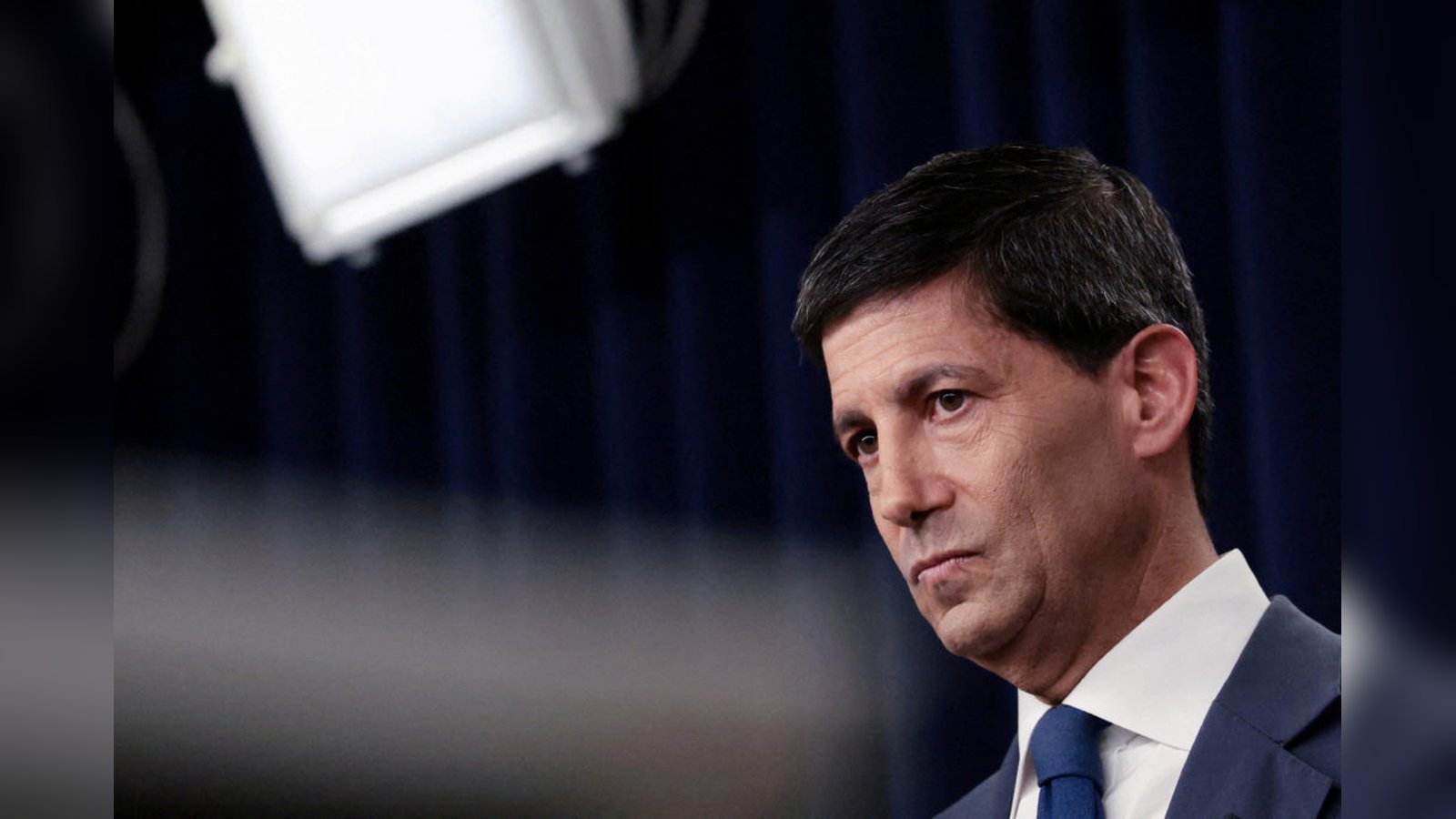
Federal Reserve Chairman Kevin Warsh utilized his high-profile appearance at the annual Jackson Hole Economic Policy Symposium on Friday to directly address market skepticism regarding his monetary policy direction. Following a July news conference that left many analysts confused about his commitment to the Fed’s inflation mandate, Warsh delivered a significantly more hawkish message. He explicitly reaffirmed the central bank’s 2% personal consumption expenditures (PCE) inflation goal as a “firm, fixed target.”
Warsh’s remarks were supported by concrete data, as he noted that 54% of PCE components have seen annualized inflation above 3% over the past 12 months. With the official July PCE reading at 3.7%, Warsh stated that while inflation has cooled from its 2022 peak, recent progress remains insufficient. He pointedly remarked that the responsibility for 65 months of elevated inflation lies squarely with the central bank, signaling that the Fed may need to utilize short-term interest rates—described as the “predominant tool” for achieving its dual mandate—more aggressively.
Rejection of ‘Forward Guidance’
A central theme of the speech was Warsh’s continued skepticism toward “forward guidance,” the practice of providing detailed signals about future interest rate paths. While some economists and market participants argue that such clarity reduces volatility, Warsh defended his preference for “deliberate ambiguity.” He argued that forward guidance is a tool best reserved for crises, and that in standard economic environments, it risks locking the Fed into inappropriate policy paths or damaging credibility if conditions shift rapidly.
This stance suggests that market participants should not expect the Fed to telegraph upcoming moves in advance. Instead, Warsh indicated that policy will be determined based on evolving economic data, prioritizing resilience over pre-committed trajectories. Analysts noted that this approach places the onus on investors to interpret economic indicators rather than relying on explicit signals from the Fed chair.
Political and Economic Stakes
The speech comes amid persistent tension between the Federal Reserve and the White House. President Donald Trump has frequently called for lower interest rates to stimulate growth, while simultaneously defending his appointment of Warsh. Despite this political pressure, Warsh’s rhetoric at Jackson Hole appeared designed to reassure Wall Street that the Fed remains independent and focused on its inflation-fighting mandate. The upcoming Federal Open Market Committee meeting on September 15-16 will serve as the first major test of whether Warsh can translate this hawkish rhetoric into a concrete policy shift, particularly as he must build consensus among the 19-member committee.