


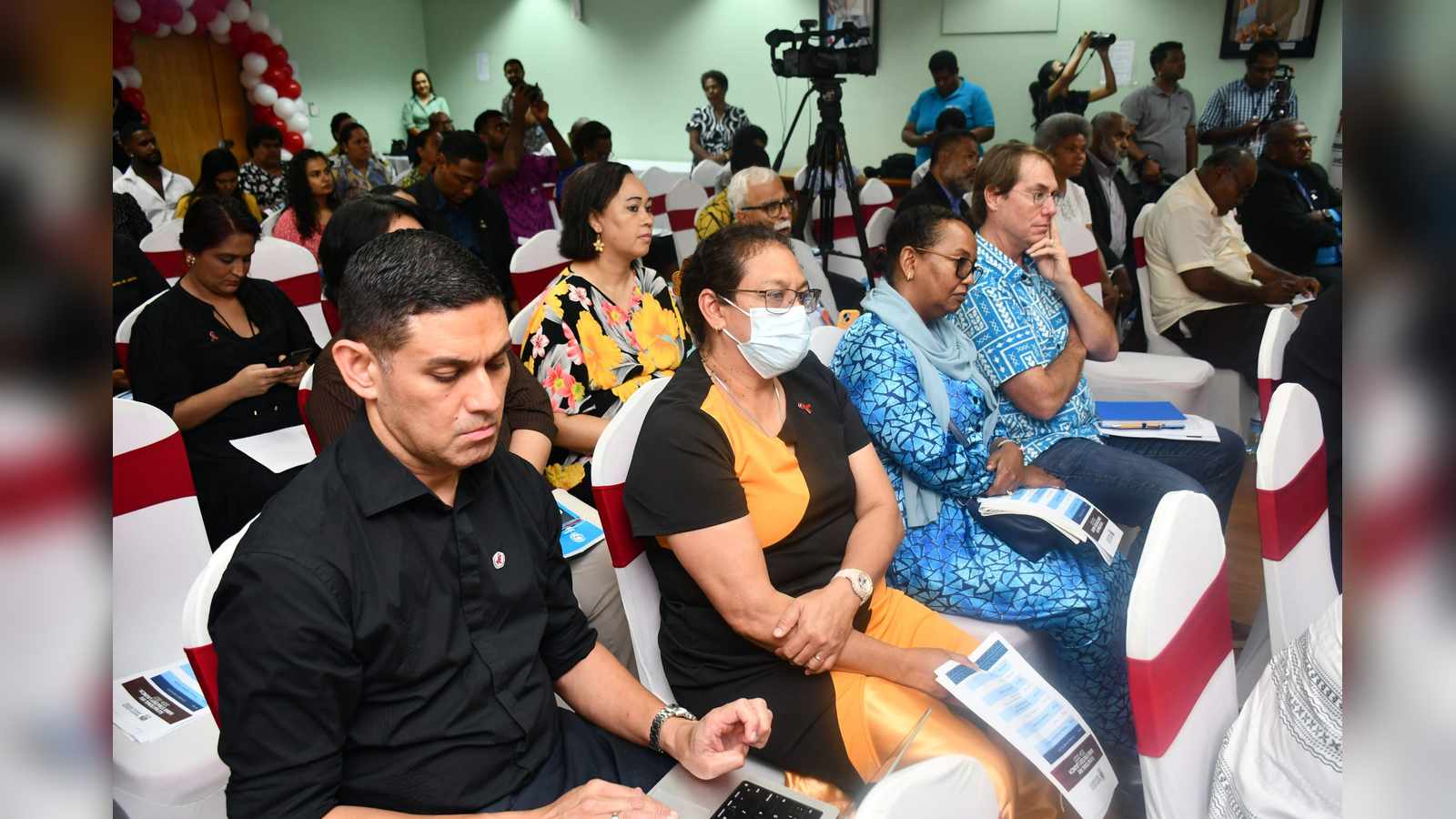
Fiji has formally declared a national HIV emergency, marking a significant escalation in the Pacific nation’s response to a rapidly spreading epidemic. Health Minister Atonio Lalabalavu announced the emergency status on Wednesday, citing a surge in new diagnoses that has pushed the infection rate to approximately one in 60 adults, compared to one in 167 just five years ago, according to Euronews.
A Systemic Public Health Crisis
Official data indicates that 2,016 new HIV cases were recorded in 2025, a figure 16 times higher than the 2019 level. The crisis is multifaceted, with the Joint United Nations Programme on HIV/AIDS (UNAIDS) reporting that over half of the cases with a known transmission mode are linked to sexual contact, while more than 42% are attributed to injecting drug use. The situation has severely impacted maternal health; officials noted that 59 babies were born with HIV last year, with 18 of those infants dying before their first birthday.
Addressing the surge, Minister Lalabalavu stated, “This decision recognises the seriousness of the epidemic and the urgent, coordinated response our country now needs,” emphasizing that the government is moving away from “business as usual.” Authorities estimate that roughly 9,100 people are living with HIV in the country, yet only 39% are aware of their status, and just 22% are currently receiving antiretroviral treatment, USA Today reports.
Strategic Response and Regional Factors
The government has established a five-minister Cabinet subcommittee to dismantle barriers to care. The emergency plan includes a significant expansion of free rapid testing, prevention medicine (PrEP), and the introduction of a needle-and-syringe program to support harm reduction among drug users. These efforts are supported by international partners, including Australia, New Zealand, India, the Global Fund, and the United Nations.
Experts point to Fiji’s role as a transit hub for illicit drug trafficking as a contributing factor. The Pacific region has seen an uptick in the flow of substances like methamphetamine and cocaine, which are increasingly seeping into local markets as criminal syndicates pay local facilitators in kind. UNAIDS regional director Eamonn Murphy stressed that while the crisis is severe, the declaration is a call for strategic action rather than panic, noting that effective treatment renders the virus untransmittable.