


Educational Milestones and Legal Friction
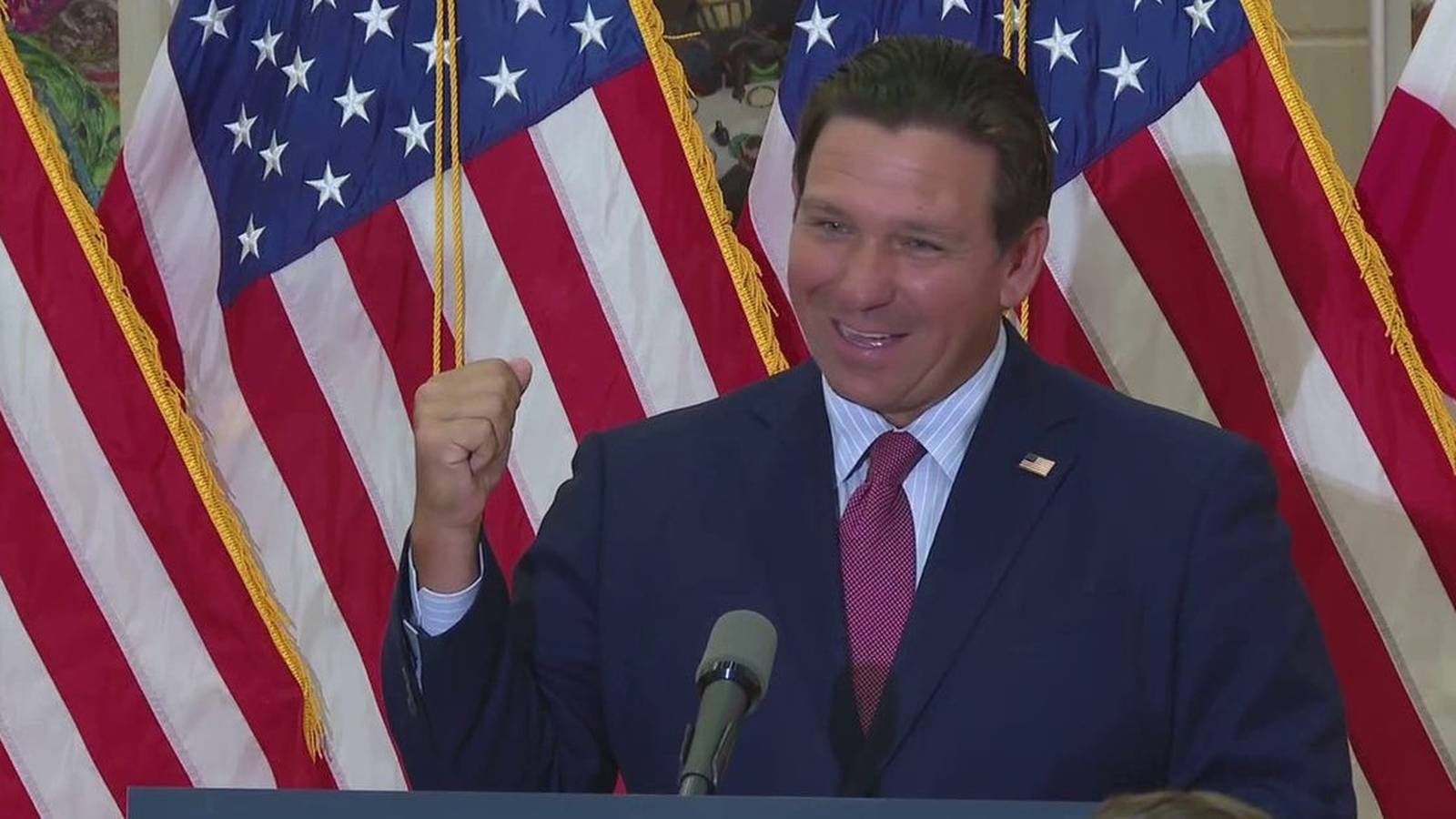
Florida’s governance this week has been characterized by a stark contrast between reported academic gains and intensifying legal scrutiny. Governor Ron DeSantis announced Friday that a majority of Florida students are now meeting or exceeding grade-level benchmarks. According to state data, proficiency in English Language Arts has reached 61%, while math proficiency stands at 62%, marking significant improvements since the implementation of the state’s progress-monitoring framework in 2022. Commissioner of Education Anastasios Kamoutsas credited these gains to a focus on merit and consistent assessment, noting a record 92% graduation rate for the 2024-2025 school year.
However, this optimistic outlook faces a significant institutional challenge. The state is currently defending its expansive school voucher system in court following a lawsuit filed by the Florida Education Association (FEA). The FEA argues that the universal voucher program is unconstitutional, claiming it fails to provide for a free, uniform system of public education. In a 40-page response, attorneys for the state dismissed these claims as “speculative” and “generalized,” asserting that the scholarship programs supplement rather than supplant the public school system.
Transparency and Political Headwinds
Beyond education, the state’s commitment to transparency is under fire. A media attorney, Ed Birk, has raised concerns regarding the redaction of text messages involving former Jacksonville City Council President Kevin Carrico. The records, which relate to a JEA board appointment investigation, were initially heavily redacted by the City Council. Birk noted that while Florida law allows for the protection of personal information, the discrepancy between the City Council’s initial release and the later version provided by the State Attorney’s Office suggests a potential overreach in shielding government business from public view.
Simultaneously, the political environment in the state appears to be shifting. A new poll from the Global Strategy Group indicates that former President Donald Trump’s approval rating in his home state of Florida has dipped, with 52% of voters viewing him unfavorably. This ten-point swing, moving from a positive net approval in January to a -6 rating, suggests a potentially complex landscape for Republican candidates in the upcoming midterms.
Institutional Volatility
On the federal level, Florida’s influence remains polarized. Representative Anna Paulina Luna has taken a lead role in blocking House proceedings, demanding that the Senate pass the Safeguard American Voter Eligibility (SAVE) Act. This legislative standoff threatens to delay defense policy bills, highlighting the ongoing tension between grassroots-aligned members and party leadership. As the state approaches the midterms, the intersection of these educational, transparency, and federal-level disputes will likely define the political discourse in Florida for the remainder of the year.