


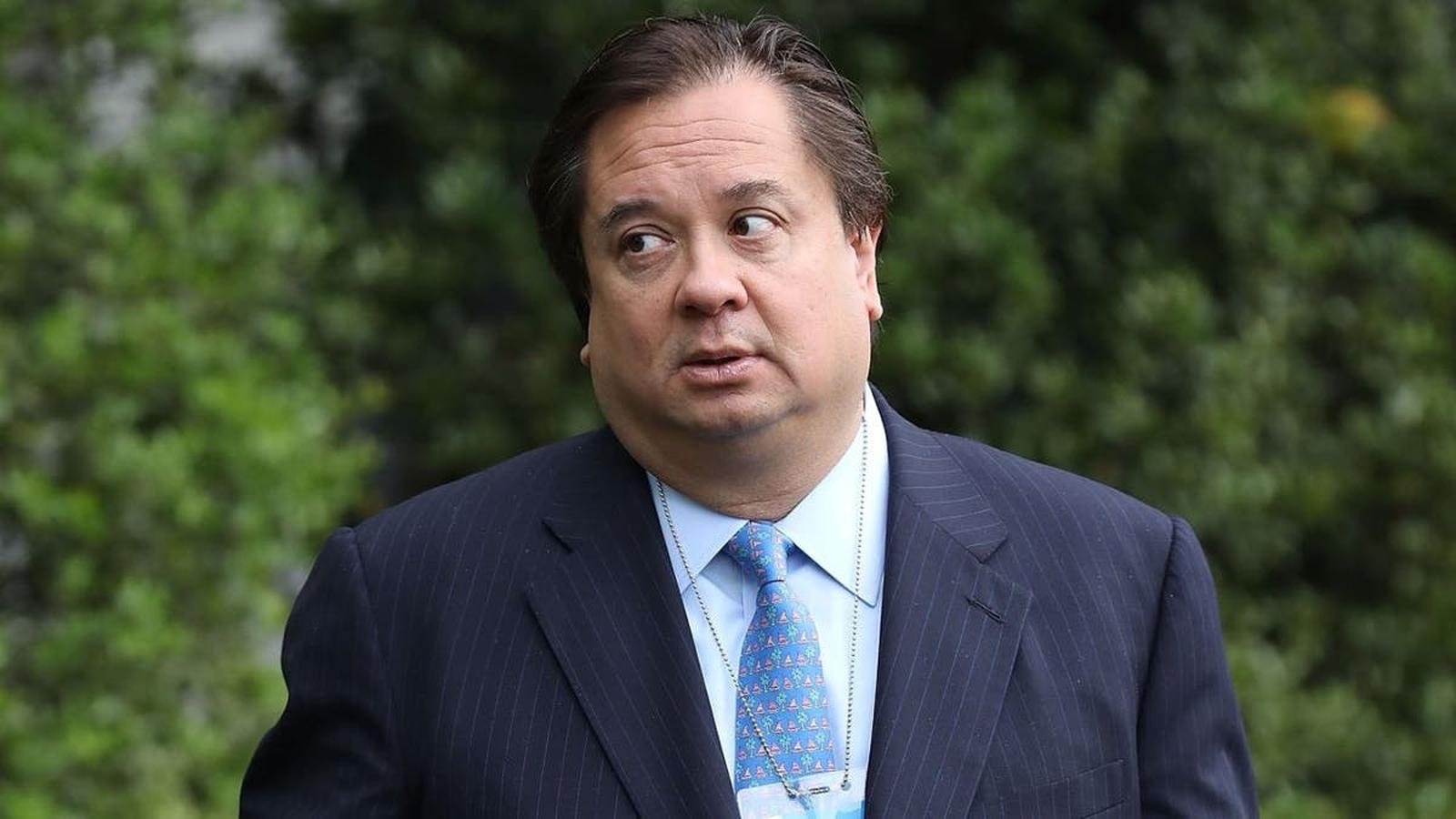
NEW YORK (Azat TV) – George Conway, the prominent attorney and former Republican who became one of Donald Trump’s most vocal critics, is officially vying for the Democratic nomination in New York’s 12th Congressional District. His entry into the race to succeed retiring Representative Jerry Nadler has injected significant legal-focused intensity into a crowded field of candidates, forcing a debate on the future of democratic institutions as the June 23 primary approaches.
A Strategic Shift in the NY-12 Primary
Conway’s campaign represents a stark departure from his three decades as a litigator at the prestigious firm Wachtell Lipton. Having spent years as a conservative legal mind—notably winning the 2010 case Morrison v. National Australia Bank—he now positions his candidacy as a direct response to what he describes as the erosion of the rule of law. The 12th District, encompassing Manhattan’s affluent West Side, serves as a high-profile testing ground for whether anti-Trump activism can mobilize voters in a district that has historically prioritized institutional stability.
The Stakes of a Crowded Democratic Field
The race to replace Nadler, who served the district for over 32 years, has drawn a diverse array of challengers. Conway faces significant competition from Jack Schlossberg, the grandson of President John F. Kennedy, as well as political strategist Micah Lasher, attorney Laura Dunn, and Alex Bores. While betting markets currently place Schlossberg as a frontrunner, Conway’s campaign is betting that his profile as a high-visibility Trump antagonist will resonate with the district’s highly educated, Democratic-leaning electorate. The outcome of this primary will be a bellwether for the broader resistance movement within the Democratic Party.
Legislative Accountability Amid Executive Power
The urgency of Conway’s bid is framed by the current state of federal governance. As noted by The Hill, the 119th Congress has increasingly delegated legislative authority to the executive branch, with President Trump frequently bypassing traditional lawmaking in favor of executive orders. With Republican leadership under Speaker Mike Johnson reportedly blocking attempts to force votes on contentious issues, the role of an incoming congressperson in restoring legislative oversight has become a central campaign theme. Conway’s platform emphasizes that the next representative must be capable of challenging the current administration’s reliance on unilateral policy implementation.
The emergence of Conway as a Democratic candidate in such a deep-blue stronghold suggests that the primary is no longer just about local policy priorities, but about the nationalization of the anti-Trump platform; voters are effectively choosing between a legacy-based candidacy and one predicated on aggressive, expert-led legal opposition to the current White House.