


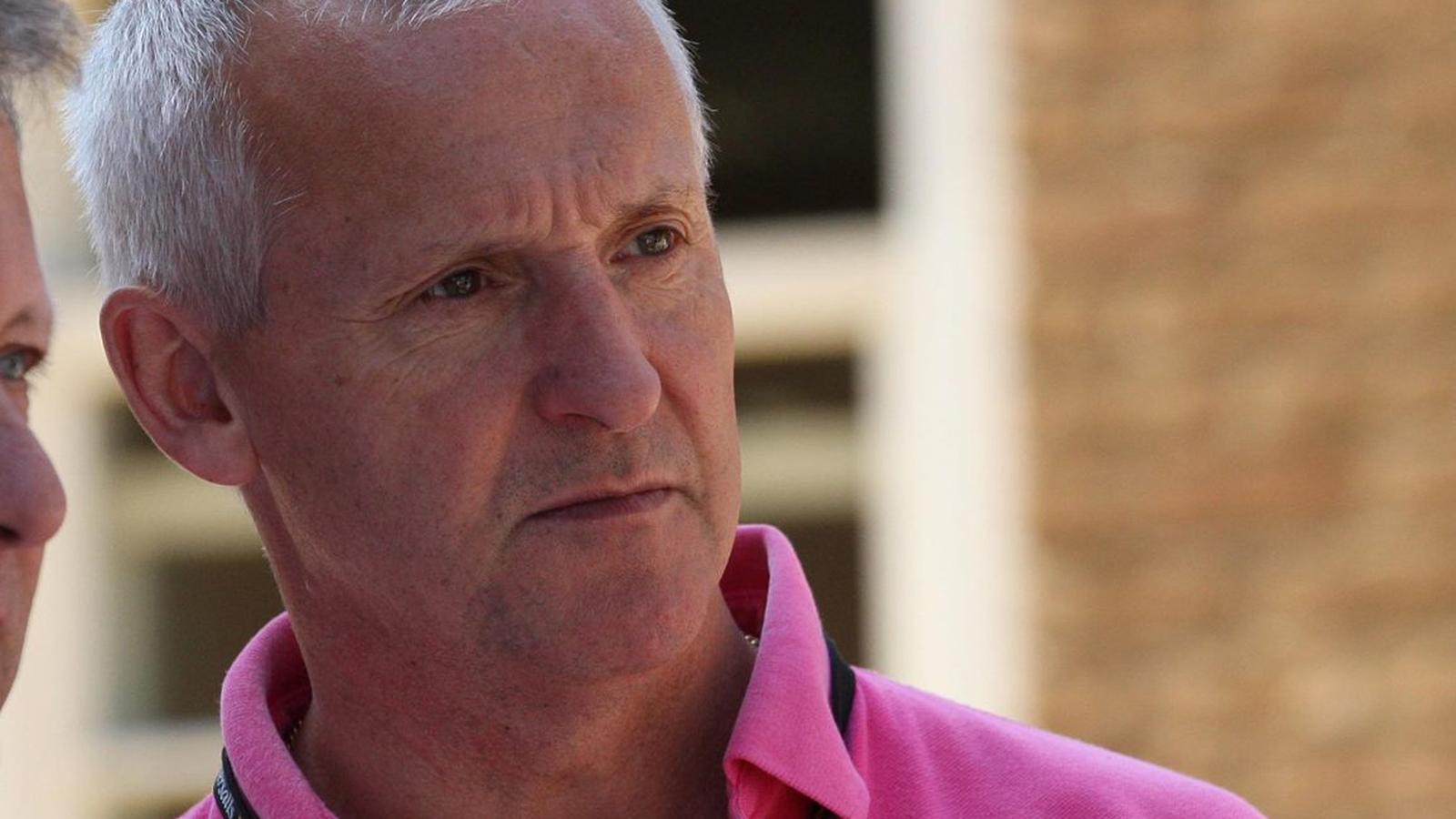
A Career of Distinction and Style
Graham Bradley, a figure synonymous with the golden era of British jump racing, has died at the age of 65. The Injured Jockeys Fund confirmed that Bradley passed away on July 2, 2026, following a courageous five-year battle with semantic dementia. He died peacefully in France, surrounded by his wife, Bob, and daughter, Georgia May Bradley.
With a career spanning 22 years, Bradley recorded 686 wins in Britain. He was widely regarded by peers and trainers alike for his exceptional, stylish technique and his innate ability to judge pace—a skill that made him one of the most sought-after riders of the 1980s and 1990s. Seven-time champion jump jockey John Francome described him as a “really good jockey who was very stylish” and a “lovely person” in the weighing room.
Defining Victories
Bradley’s legacy is anchored in his historic partnership with trainer Michael Dickinson. In 1983, he steered Bregawn to victory in the Cheltenham Gold Cup, a race that became legendary as Dickinson famously saddled the first five finishers. Reflecting on their success years later, Bradley noted the strategic precision required for that win, admitting that his previous losses had taught him to adjust his pace to perfection.
His major triumphs extended beyond Cheltenham. He secured the 1996 Champion Hurdle on Collier Bay and the 1985 Irish Grand National aboard Rhyme ‘N’ Reason. His versatility was further demonstrated by his four victories in the Grand Annual Chase, a record for a jockey in that event.
Analysis: Influence and Legacy
Beyond the statistics, Bradley’s influence on the sport was profound. Former jockey Brendan Powell noted that many younger riders adopted Bradley’s distinct style, which prioritized balance and horse comfort. His transition to a bloodstock agent following his 1999 retirement—where he notably purchased the triple Grade 1 winner Well Chief—showcased his deep understanding of the industry’s commercial and breeding aspects.
However, Bradley’s career was not without controversy. In 2002, he was handed a significant ban by the Jockey Club for disclosing privileged racing information, a period that saw him engage in lengthy legal battles to protect his livelihood as an agent. Despite these challenges, figures like trainer David Elsworth maintained that Bradley possessed a “heart as big as a bucket” and was a “wonderful talent” who remained highly esteemed by those who worked closely with him.
As the racing community prepares to celebrate his life at a future memorial service in his hometown of Wetherby, Bradley will be remembered as a rider who brought artistry to the saddle and played a pivotal role in some of jump racing’s most iconic moments.