


Clinical and Scientific Breakthroughs
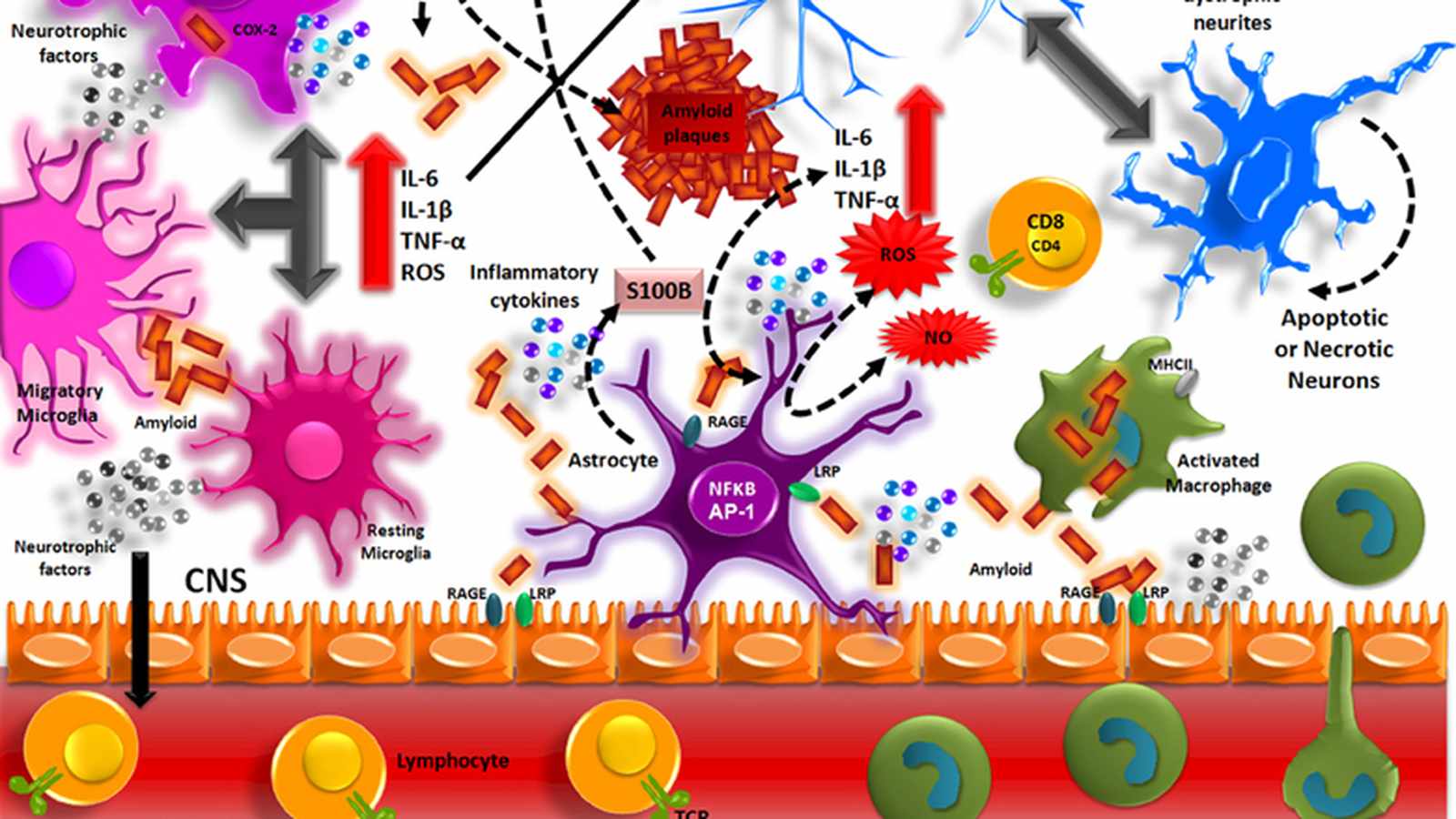
The landscape of Alzheimer’s disease research is shifting rapidly. On July 2, 2026, researchers at the USC Center for Personalized Brain Health (CPBH) announced a new pathway to target brain inflammation in individuals carrying the APOE4 gene, the primary genetic risk factor for late-onset Alzheimer’s. Led by Dr. Hussein Yassine, the team identified specific enzymes, such as cPLA2, that contribute to neuro-inflammation. The newly established Norman and Mary Pattiz Alzheimer’s Research Fund will support this work, including the creation of a registry for early detection of high-risk patients.
Simultaneously, medical technology company Cerezen has released clinical data regarding its non-invasive external counterpulsation (ECP) device. According to results published in the American Journal of Alzheimer’s Disease & Other Dementias, 78% of participants with mild cognitive impairment or early-stage Alzheimer’s showed cognitive improvement after six months of treatment. While the device is certified in the EU, it has not yet received FDA clearance in the United States.
The Public Face of Alzheimer’s
The scientific focus coincides with high-profile advocacy. Actor Danny Glover recently revealed he has been living with an Alzheimer’s diagnosis for three years. His transparency highlights a critical issue: the social stigma that complicates diagnosis and care. According to the Alzheimer’s Association, over 7 million Americans aged 65 and older live with the condition, with Black Americans being twice as likely to be affected as their white counterparts.
Analysis: Beyond the Stigma
The intersection of clinical innovation and personal advocacy represents a turning point in Alzheimer’s management. For decades, the disease has been defined by a fatalistic narrative of inevitable decline. However, experts like Dr. Alvaro Pascual-Leone of Hebrew SeniorLife argue that this stigma—fueled by fear and misconceptions—is a primary barrier to quality of life.
The current challenge is twofold. First, the medical community must address the systemic inequities in care. Data shows that white patients are six times more likely to receive disease-modifying therapies than Black patients, underscoring that biological research must be matched by equitable access protocols. Second, the shift toward viewing Alzheimer’s as a manageable condition rather than a social death sentence is vital. Initiatives that encourage early diagnosis and social engagement are not merely psychological support; they are clinical necessities that can delay the progression of symptoms. As research moves toward personalized medicine—targeting specific genetic markers like APOE4—the integration of patient-led advocacy and inclusive clinical trials will be essential to transforming Alzheimer’s from a terminal diagnosis into a condition with viable, long-term management strategies.