


A Century-Long Mystery Resolved
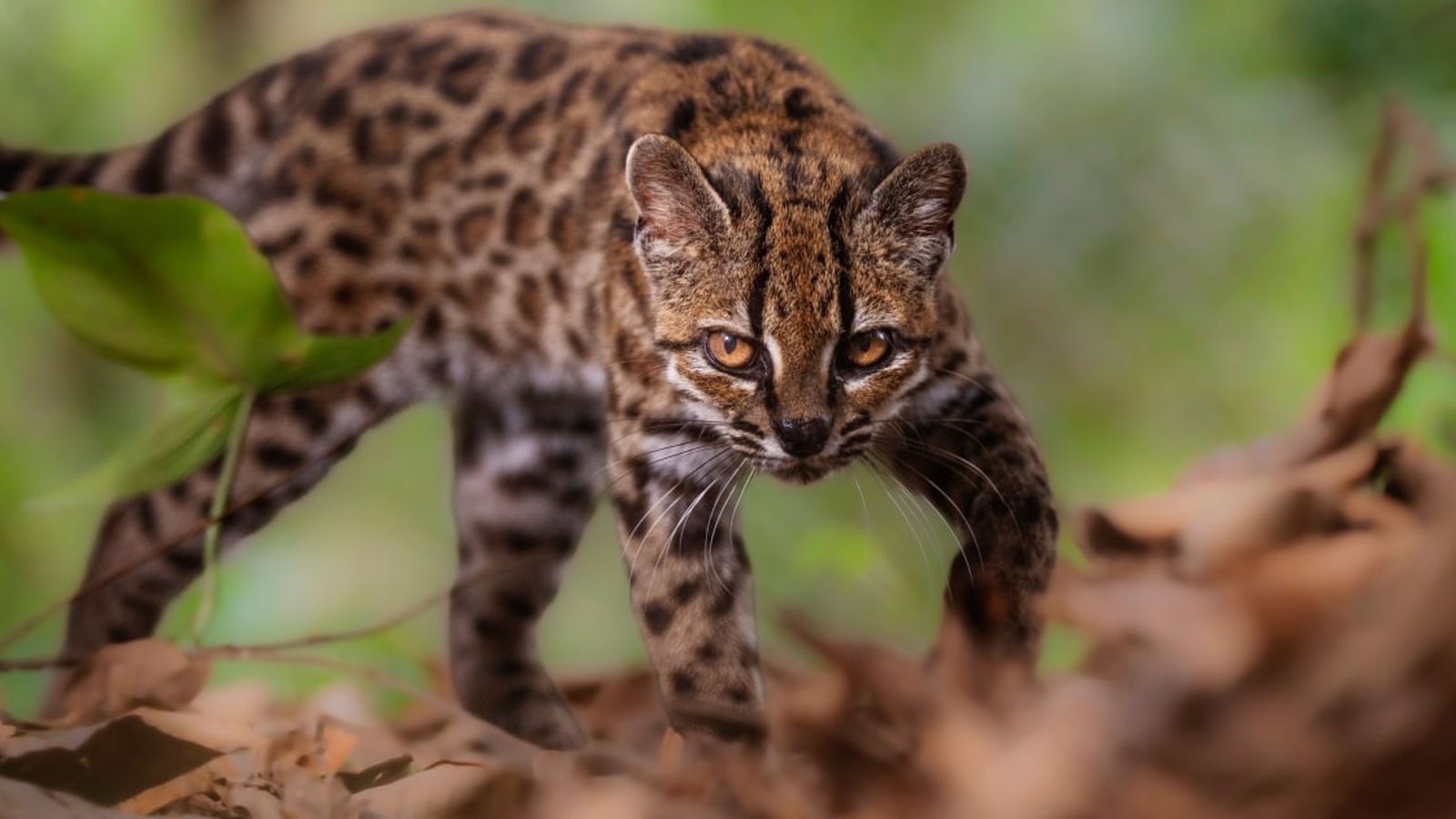
In a milestone for biological taxonomy, researchers have formally identified Leopardus tilcayo, a small, spotted wild cat native to the Yungas cloud forests of Bolivia. According to a study published in Current Biology, this discovery marks the first time a new feline species has been described in over 100 years. The identification follows years of genetic analysis, revealing that the cat diverged from its closest relatives approximately 1.4 million years ago.
The path to discovery began in 2016 when Paola Nogales-Ascarrunz, founder of the Bolivian Felid Research and Conservation Program, encountered an unusual animal at the Senda Verde wildlife sanctuary. A local resident had brought the cat in, having mistaken it for a domestic kitten after finding it near a forest road. Nogales-Ascarrunz, struck by its distinct physical features—including a scrunched face, short ears, and oversized rosettes—initiated a rigorous study that eventually utilized genomic sequencing to confirm its unique status.
Genomics and the Reclassification of Tiger Cats
The research team, co-led by Jonas Lescroart of the University of Antwerp and Eduardo Eizirik of the Pontifical Catholic University of Rio Grande do Sul, analyzed the genomes of 38 individuals within the Leopardus genus. The findings suggest that what was previously classified as a single, widespread species—the tiger cat (Leopardus tigrinus)—is in fact a species complex consisting of five distinct species.
This genomic approach has fundamentally altered the understanding of the Leopardus genus. By comparing the complete genomes of these cats, scientists identified clear evolutionary branches that were previously hidden from the naked eye. According to Tadeu de Oliveira, an ecologist at the State University of Maranhão, this complexity is critical because these small wild cats inhabit rapidly vanishing ecosystems. “If you think the tiger cat is a single thing from Brazil to Costa Rica, you might miss that it is actually five things, each requiring separate conservation assessment,” Eizirik noted.
Conservation Stakes and Future Research
The discovery of L. tilcayo carries significant implications for regional conservation. As the species has only recently been identified, its population size remains unknown. Conservationists emphasize that with the splitting of one species into five, individual populations are effectively smaller, potentially increasing their vulnerability to habitat loss and agricultural expansion in the Andean-Amazonian border regions.
James Sanderson, director of the Small Wild Cat Conservation Foundation, suggests that the methods employed in this study will likely lead to further discoveries across Asia and Africa. The study also provided evidence for a new sub-species in Peru, Leopardus tigrinus antisuyo, and hinted that other widely assumed species, such as the margay, may also consist of multiple distinct species. For now, the focus remains on protecting the fragile Yungas habitat that supports the newly named tilcayo.