


Nationwide Protests and Clashes
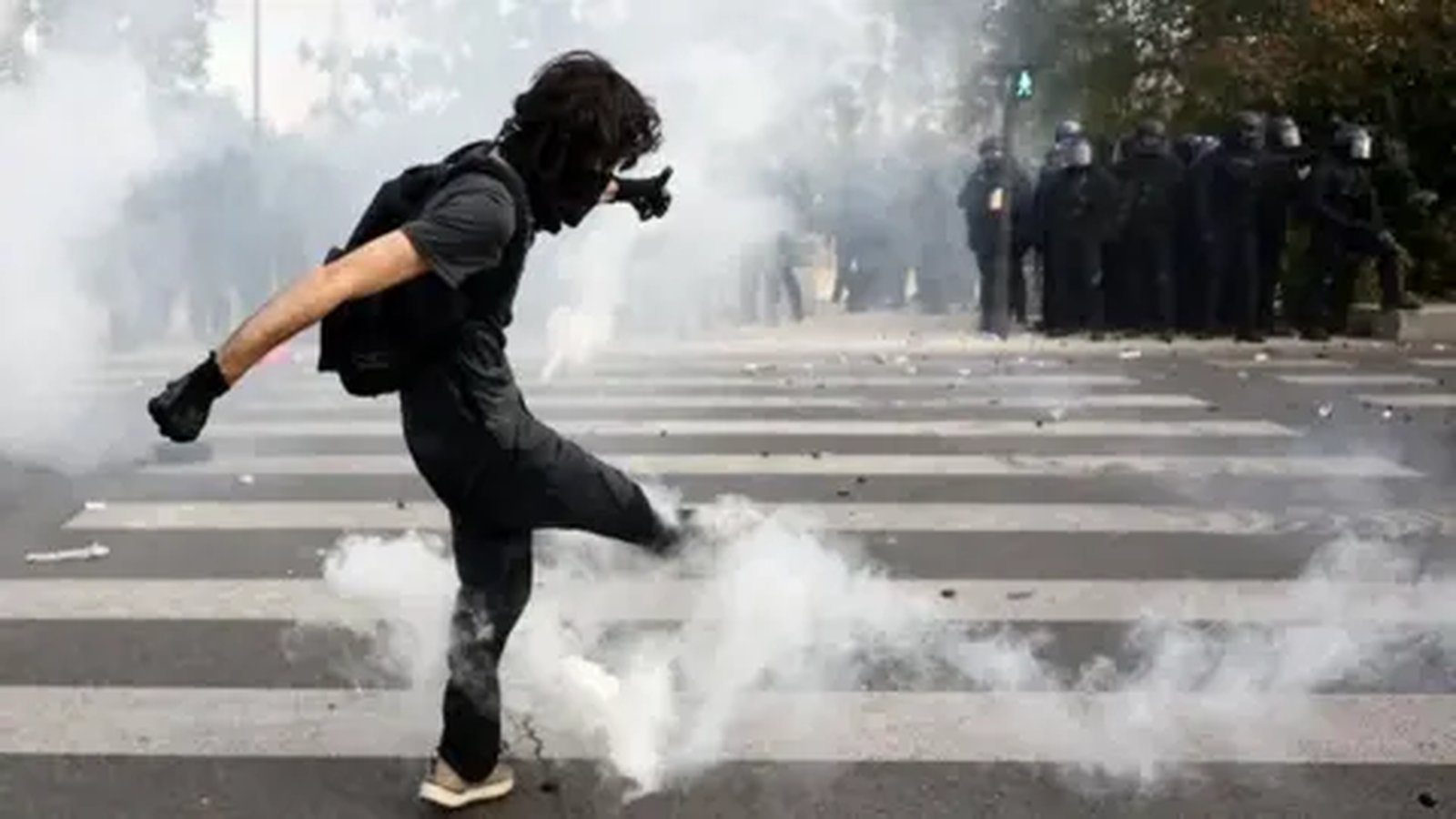
Hundreds of thousands of people demonstrated across France as a wave of high-school pupil protests expanded to include university students, parents, and labor unions, according to reporting by BBC. Teenagers marched from the Place de la République in Paris, demanding increased resources for dilapidated educational facilities and calling for what they described as reduced police repression. Police forces clashed with demonstrators in Lyon, deployed tear gas in Paris and Marseille, and used water cannons in Rennes, though authorities noted there was less severe violence compared to previous demonstrations.
Prime Minister Sébastien Lecornu condemned earlier violence, stating that since the movement began, 215 students, 85 staff members, and 715 police officers had sustained injuries. Government figures indicated that disruptions occurred in 891 high schools—representing nearly a quarter of all lycées nationwide—with more than 250,000 demonstrators taking to the streets. In contrast, student unions estimated the turnout at 450,000 and claimed that 1,800 high schools were blockaded during what protesters designated as “Act Three” of their movement.
Infrastructure Grievances and Systemic Inequality
What originated in mid-September as local anger over overcrowded classrooms, a shortage of teaching staff, and deteriorating school buildings in the northern Paris suburb of Seine-Saint-Denis has since developed into a nationwide movement. Students have shared footage of leaking roofs, broken toilets, and structural disrepair. According to an The Guardian report, education analysts note that children in disadvantaged neighborhoods face severe socioeconomic disparities and lower academic mobility compared to peers in other developed nations.
French regions are responsible for high school maintenance but have repeatedly requested expanded budgets from the central government. A recent senate report indicated that billions of euros will be required in coming years to renovate aging 1960s-era school facilities. Education Minister Édurard Geffray stated that he favored dialogue over blockades while criticizing ultra-violent elements for infiltrating student demonstrations.
Political Reactions and Police Conduct Inquiries
Prime Minister Lecornu accused the radical-left France Unbowed (LFI) party of attempting to orchestrate chaos ahead of the upcoming presidential elections in seven months. Meanwhile, US President Donald Trump weighed in via social media, attributing the protests to mass migration and religious tensions—comments that French Foreign Minister Jean-Noël Barrot dismissed as external mischaracterizations of domestic grievances.
Concerns regarding police tactics have intensified following multiple injury reports. France’s IGPN police inspectorate is investigating several cases, and a police officer who fired a tear gas grenade at a 14-year-old student in Saint-Ouen-l’Aumône has been formally charged with violence resulting in permanent disability. The French Interior Ministry reported 488 arrests on Tuesday alone, as major labor unions like the CGT plan further demonstrations for Thursday.