


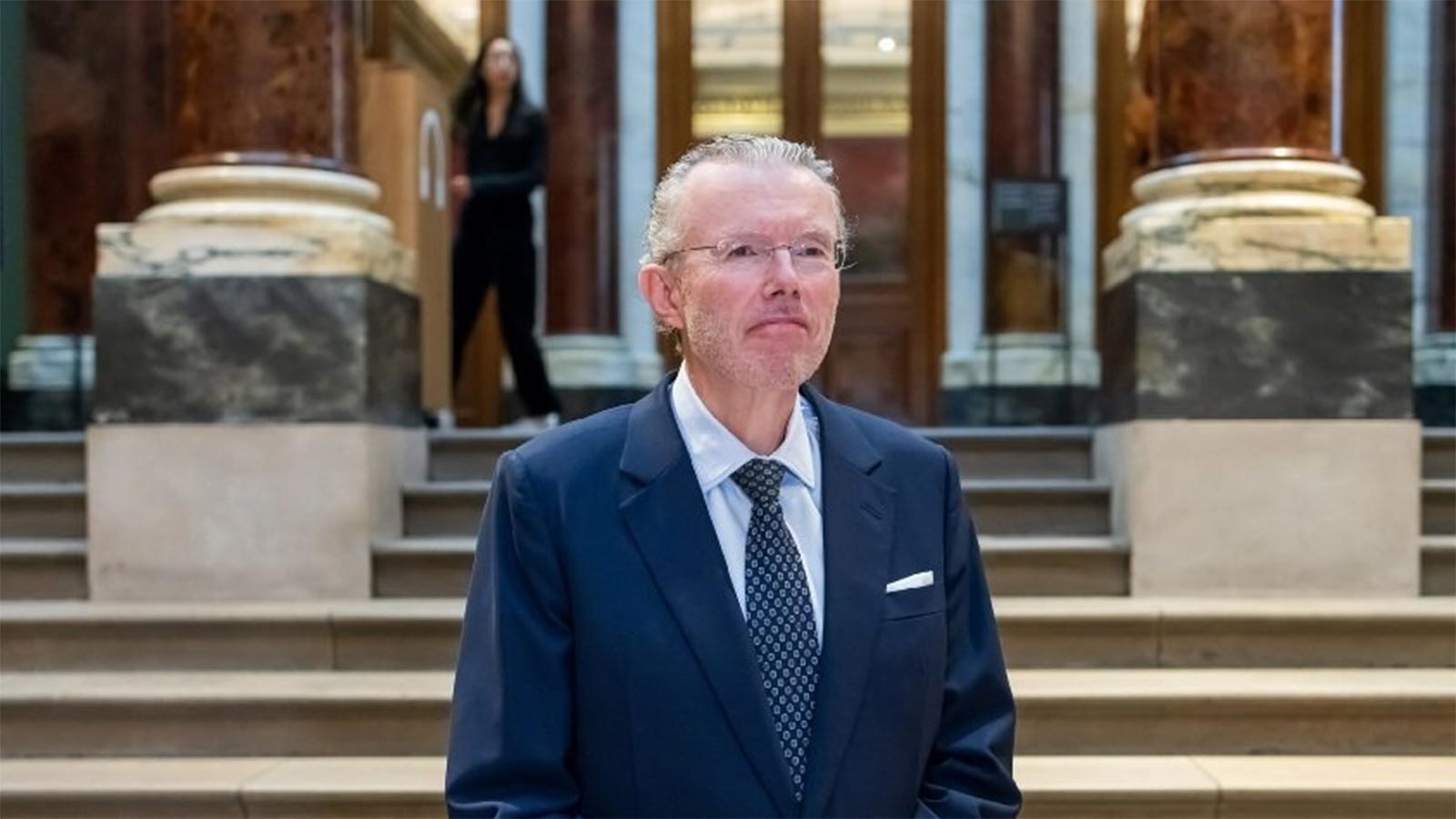
Hans Rausing: Tetra Pak Heir’s Journey from Loss to Philanthropic Legacy
In the world of philanthropy, few figures have shaped their legacy as profoundly as Hans Rausing. Once known primarily as the heir to the Tetra Pak fortune, Rausing’s name now resonates across the United Kingdom as a symbol of transformative generosity—and resilience. His journey, marked by personal tragedies and an unwavering commitment to giving, offers a compelling portrait of how adversity can fuel purpose.
Property, Privilege, and Pain: The Making of a Modern Philanthropist
Rausing’s life has unfolded across both opulence and heartbreak. His property empire, spanning luxury homes from Barbados to a £28.5 million Thames-side mansion formerly owned by Roman Abramovich, stands as testament to his financial acumen. The Lasborough Park estate in Gloucestershire, neighboring the King’s Highgrove residence, is another jewel in this crown. Yet, behind this wealth lies a narrative punctuated by loss.
The death of his wife, Julia Rausing, last year was not the first tragedy Hans has endured. Her passing, however, proved to be a turning point. Close colleagues observed that Julia’s influence on their shared philanthropy ran deep. According to Simon Fourmy, chief executive of the trust they built together, Julia had a “really clear vision of what their philanthropy could do and achieve.” Her absence prompted Hans to honor her memory in the most meaningful way he knew: by expanding the impact of their charitable foundation.
The Julia Rausing Trust: A Beacon of Giving in the Arts
Shortly after Julia’s death, the trust was renamed the Julia Rausing Trust. Hans doubled its annual giving target from £50 million to £100 million, signaling both a tribute to Julia and a renewed commitment to their shared values. Far from a distant benefactor, Rausing remains intimately involved in the charity’s operations, guiding strategic decisions and even weighing individual pledges.
This hands-on approach is perhaps best illustrated by the trust’s recent actions. Last year, it provided £10 million to the Royal Ballet & Opera, enabling much-needed upgrades to its aging stage. Alex Beard, the organization’s chief executive, describes Rausing as “low-ego, low-key, thoughtful”—a man whose generosity matches his humility. Beard notes that Rausing is “an extraordinarily generous and enlightened philanthropist” who was “deeply, deeply in love with Julia.”
Historic Giving: The National Gallery’s Transformational Gift
If there was any doubt about the scale of Rausing’s philanthropy, it was erased earlier this year. The Julia Rausing Trust announced a £150 million donation to the National Gallery, matched by Welsh billionaire Michael Moritz. This gift—the largest ever made to an arts organization globally—will fund a new modern art wing, a once-in-a-generation opportunity for the institution. Julia’s fondness for the National Gallery imbues the gift with personal meaning, linking private loss to public legacy.
Rausing’s philanthropic footprint extends far beyond the arts. Since co-founding the trust with Julia in 2014, he has contributed over £500 million to more than 2,000 organizations across the UK. The scope is vast, but the philosophy remains consistent: thoughtful, strategic, and deeply personal.
Recognition at Windsor: A Knighthood for Service
In 2025, Rausing’s contributions were formally recognized when the King appointed him a Knight Bachelor at Windsor Castle, honoring his extensive charitable work in the arts. The ceremony, which also acknowledged other distinguished individuals such as television presenters Claudia Winkleman and Tess Daly, and The Who’s Sir Roger Daltrey, marked a public affirmation of Rausing’s impact. Yet, those close to him emphasize that he remains, as Simon Fourmy describes, “a very, very modest individual.”
Philanthropy as Response: Turning Tragedy into Purpose
What sets Hans Rausing apart is not just the magnitude of his giving, but its origin. Personal tragedy has repeatedly shaped his path, yet each loss has been met with a renewed dedication to the causes Julia championed. The trust’s doubling of donations, the renaming in her honor, and the historic arts gifts are not merely acts of charity—they are acts of remembrance.
Rausing’s story raises a question: can philanthropy fill the void left by personal grief? For Hans, it appears to be both a memorial and a mission. His actions suggest that generosity, at its deepest, is not just about giving resources but about giving meaning to loss.
Hans Rausing’s journey underscores the power of philanthropy to transform private sorrow into public good. His record-breaking donations and hands-on leadership exemplify how personal adversity can fuel a legacy that benefits generations. In honoring Julia’s vision, Rausing has not only set new standards for giving, but has also redefined what it means to build purpose from pain.