


Circulation and Vascular Health Benefits
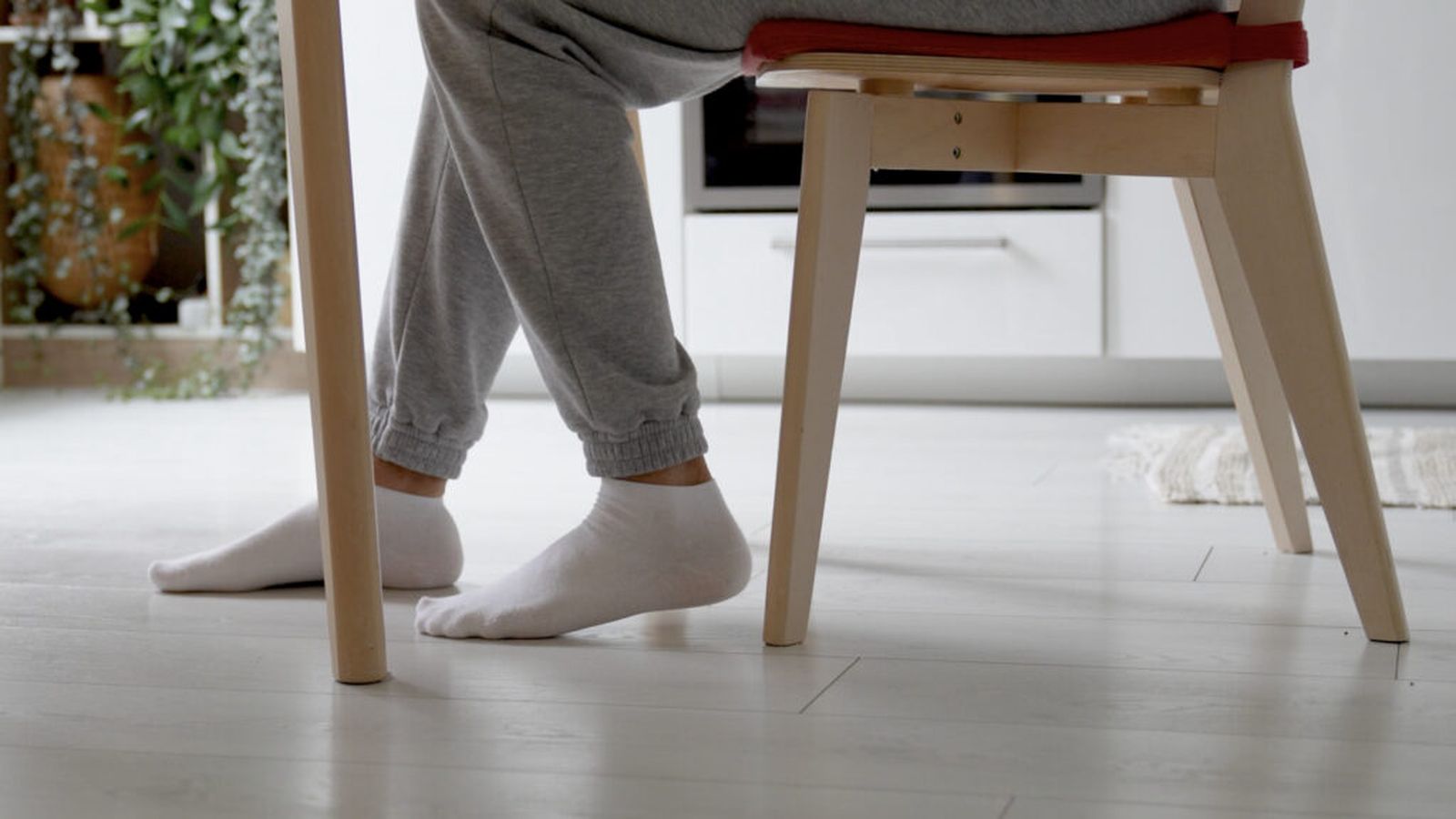
For years, repetitive everyday actions like bouncing a knee, tapping a foot, or drumming fingers have been dismissed as signs of simple restlessness or nervousness. However, medical experts and recent research highlight that these small behaviors may actually offer measurable health advantages when sitting for long periods. According to David Perlmutter, a board-certified neurologist in Clearwater, Florida, fidgeting represents the nervous system’s innate tendency to keep the body in motion during sedentary routines DNyuz.
Prolonged sitting restricts muscle contractions in the lower body, which normally help pump blood back toward the heart. Physical therapist Milica McDowell notes that while fidgeting cannot replace a 30-minute walk, small movements help maintain oxygenated blood flow and reduce fluid pooling in the legs and feet DNyuz. A 2016 study demonstrated that intermittent leg bouncing during a three-hour sitting session substantially increased blood flow in the popliteal artery compared to a completely stationary leg.
Metabolic Regulation and Energy Expenditure
Beyond vascular health, muscular contractions involved in fidgeting engage metabolic processes. Gillian Goddard, an endocrinologist and adjunct assistant professor at the NYU Grossman School of Medicine, explains that contracting muscles absorb glucose from the bloodstream for energy, supporting healthy insulin response and blood sugar stability DNyuz. Research involving adults with obesity found that intermittent leg fidgeting after consuming a glucose beverage resulted in lower blood sugar and insulin spikes compared to remaining completely still.
Fidgeting also contributes to non-exercise activity thermogenesis, or NEAT. Scientific reviews indicate that individuals who fidget while seated burn roughly 46 percent more energy than those sitting entirely motionless, which accumulates over days and weeks DNyuz.
Cognitive Focus and Brain Arousal
The relationship between small movements and cognitive performance varies by individual and task complexity. Doha Ayish, a board-certified neurologist at Houston Methodist West Hospital, states that baseline brain chemistry and sensory processing shape how fidgeting influences attention DNyuz. For individuals with attention deficit hyperactivity disorder, studies suggest that physical movement may help sustain the arousal levels required for task completion. Furthermore, brain imaging research published by Science Insights indicates that repetitive hand movements can increase functional connectivity in reward circuitry, generating a small signal that helps sustain attention.
Despite these findings, medical professionals emphasize that fidgeting cannot fully reverse the adverse physiological effects of a sedentary lifestyle. Specialists recommend combining intentional seated movements—such as calf raises and ankle circles—with regular cardiovascular exercise.