


A Historic Nomination
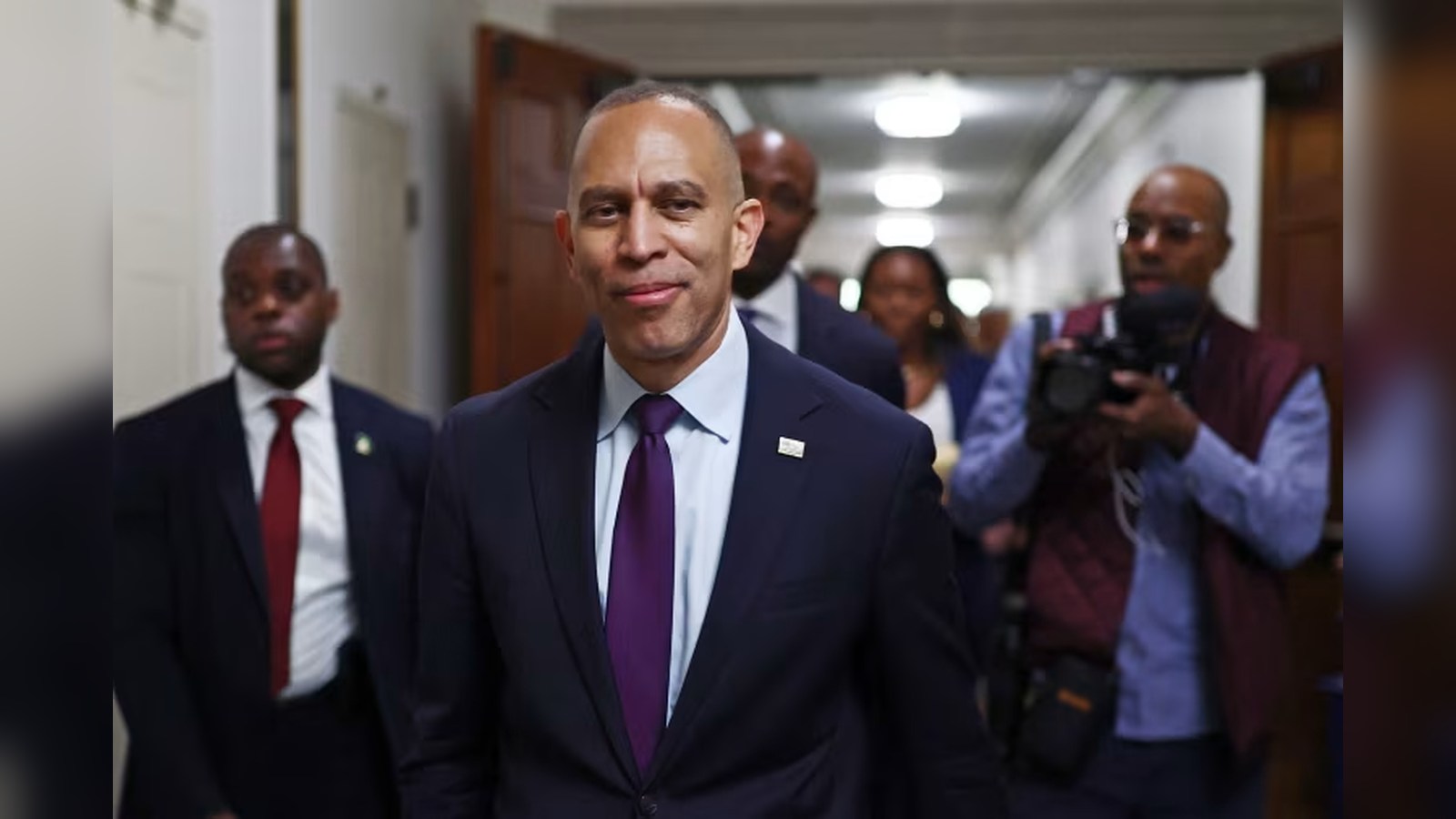
On November 18, 2026, House Democrats nominated Hakeem Jeffries for speaker in a 251–11 caucus vote, NBC News reported. This was the party’s nomination. The full House is scheduled to elect its speaker when the new Congress convenes on January 3, 2027. If elected then, Jeffries would become the first Black speaker of the House. NBC News projects that Democrats will hold 259 seats in the incoming House, their largest majority in 35 years.
Jeffries chose a counted caucus ballot rather than nomination by acclamation, pointing to the procedure Democrats used after the 2018 midterms. The vote took place behind closed doors. The 56-year-old New York lawmaker, a former attorney who has served in Congress since 2013, has been meeting with progressive and moderate factions to build support for the incoming majority’s agenda.
Addressing Internal Dissent
The nomination process was not entirely without friction, as 11 members of the caucus voted against Jeffries. Following the session, seven of these lawmakers—Reps.-elect Darializa Avila Chevalier, Adam Hamawy, Frederick Haynes, Melat Kiros, Donavan McKinney, Chris Rabb, and Claire Valdez—released a joint statement explaining their opposition. They cited outstanding policy disagreements, specifically referencing Medicare for All, immigration enforcement, and the ongoing conflict in Gaza as core areas where they demanded more significant commitments from leadership. Their statement emphasized that while they have observed meaningful progress in their ongoing dialogue with Jeffries, they felt compelled to signal their constituents’ priorities through their votes.
Jeffries addressed these concerns by maintaining a focus on party unity and the broader legislative agenda. “Our job is to fight MAGA extremism, not each other—to fight MAGA extremism and to get big things done for the American people,” Jeffries told reporters shortly after the vote. He reiterated that his primary objective remains the economic well-being of the public, specifically targeting affordability and the cost of living as the central pillars of his 100-day agenda. By framing the caucus’s mission as a collective effort to govern, Jeffries seeks to channel the energy of his diverse, expansive majority toward legislative action rather than internal discord.
Leadership Landscape and Historic Milestones
The nomination of Jeffries is accompanied by a leadership slate that marks several historic firsts, underscoring the demographic shifts within the Democratic Party. Representative Katherine Clark was elected as majority leader, becoming the first woman to hold that position in either chamber of Congress. Additionally, Representative Pete Aguilar was elected as majority whip, and Representative Ted Lieu was chosen as caucus chairman, marking the first time an Asian American has served in that role. Representative Joe Neguse of Colorado was also elected as assistant speaker, becoming the first Black lawmaker to hold that specific title. These selections demonstrate Jeffries’ commitment to balancing the diverse interests of his caucus while establishing a new generation of leadership.
With a projected 259-seat majority, Jeffries possesses a significant legislative buffer. He can afford roughly 40 defections on the House floor in January and still secure the speakership, a stark contrast to the 2023 session where Republican Kevin McCarthy navigated a razor-thin 222-212 majority that required 15 ballots to resolve. This electoral cushion, combined with the lack of any formal leadership challenger, suggests a more stable path to the gavel than seen in recent years. As the transition period progresses, Jeffries continues to manage the expectations of various ideological groups, aiming to prove that the party can govern effectively while confronting the final two years of the Trump administration.
Legislative Stakes and Future Challenges
The transition to the 120th Congress presents immediate challenges for the incoming leadership team. Jeffries has signaled that his agenda will be built upon three core pillars: affordability, accountability, and American values. The party is bracing for a robust period of congressional oversight, intending to utilize its investigative powers to hold the executive branch accountable. This approach is intended to serve as a legislative counterweight to the President’s domestic agenda. At the same time, the leadership must navigate the demands of a fresh cohort of lawmakers who are pushing the party toward more progressive stances on healthcare and foreign policy.
The contrast between the House Democratic transition and the turbulence in the Senate—where Leader Chuck Schumer faces a formal challenge—highlights the relative stability Jeffries has cultivated. By maintaining a consultative style and meeting with nearly every member of his caucus, Jeffries has sought to avoid the fractures that plagued his Republican predecessors. As he prepares for the full House election, his supporters highlight his background as a former state lawmaker and attorney as key assets in managing the often unruly procedural environment of the House. The historical significance of his nomination, which could lead to the election of the first Black House speaker, is recognized by his allies as a milestone that reflects an arc of history beginning in the post-Civil War era. However, for Jeffries, the focus remains squarely on the immediate legislative hurdles, as he prepares to deliver on the promises of transformational change that he campaigned on nationwide. With the formal roll call vote scheduled for January 3, 2027, the party is now moving toward finalizing committee assignments and preparing its legislative package for the first hundred days of the new term.
Reporting source: nbcnews.com.