


A Unified Path to the 120th Congress
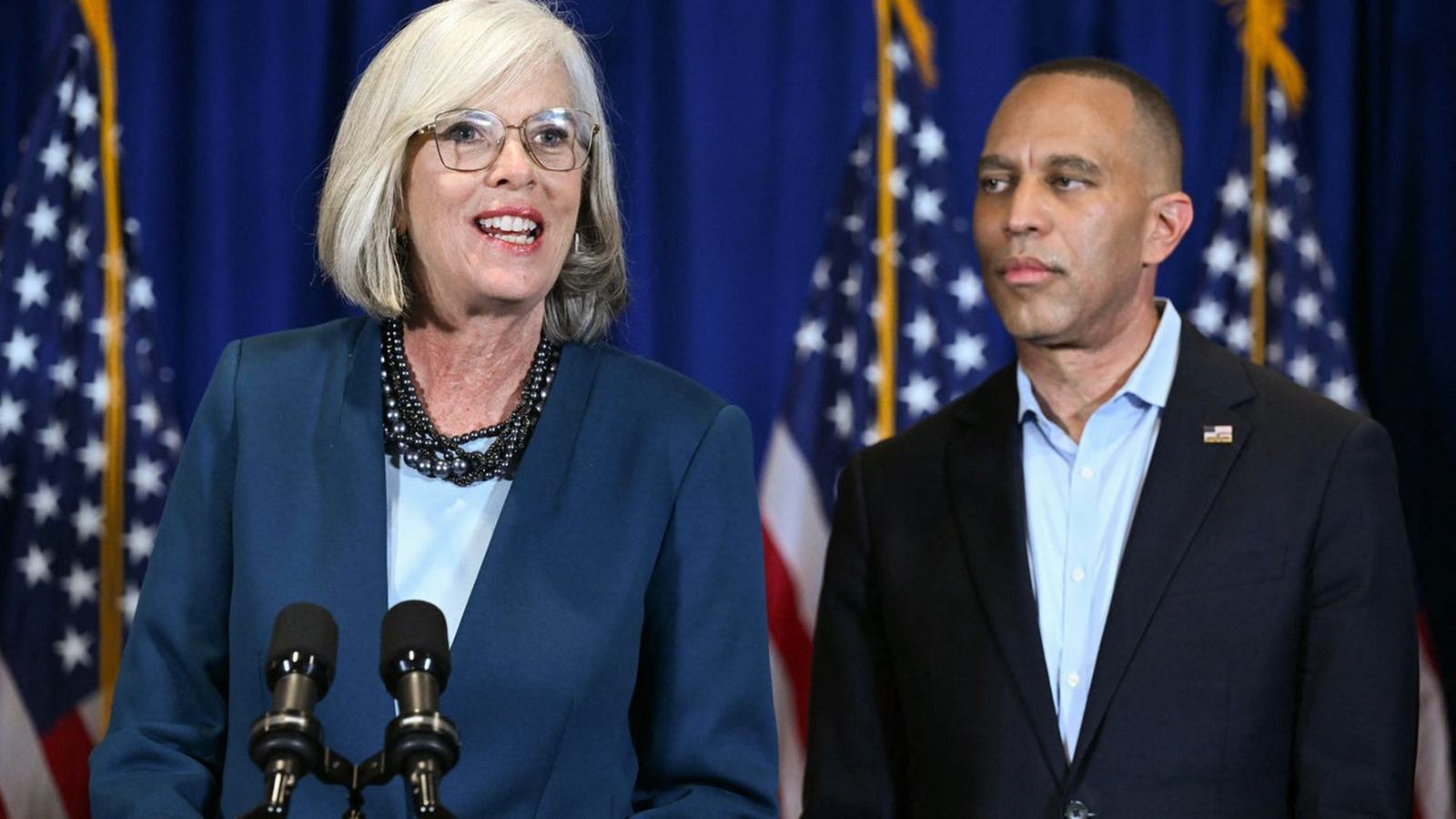
On Wednesday, November 18, 2026, House Democrats concluded their internal leadership elections at a closed-door caucus meeting at the Capitol, officially cementing the team that will steer the chamber when the 120th Congress convenes on January 3, 2027. Representatives Katherine Clark of Massachusetts, Pete Aguilar of California, and Joe Neguse of Colorado were elected unopposed to senior majority leadership positions, signaling a strategic pivot from internal personnel negotiations to a unified focus on legislative delivery and policy oversight. As reported in an article published by The Sunday Guardian Live, the trio will serve directly beneath speaker nominee Hakeem Jeffries of New York, who previously secured the party’s formal nomination for Speaker in a 251-to-11 vote.
The uncontested nature of these elections, achieved after weeks of intensive caucus-wide negotiations, underscores a deliberate effort by Democratic leadership to avoid the public fissures seen in other chambers. By securing formal endorsements from key groups such as the Congressional Black Caucus and the New Democrat Coalition ahead of the balloting, the incoming leadership team has effectively cleared the path for an immediate transition to governing. This cohesion stands in stark contrast to the turbulent transitions currently unfolding within the Republican House minority and the active leadership challenges facing the Senate Democratic caucus, positioning the House Democrats as the most stable wing of the party as they prepare to assume control of the chamber.
Historic Demographic Milestones
The elevation of this leadership slate marks a series of demographic firsts within the 237-year history of the US House of Representatives. Katherine Clark, who previously served as Democratic Whip in the 119th Congress, will become the first woman in American history to serve as House Majority Leader. Pete Aguilar, transitioning from his role as Democratic Caucus Chair, becomes the first Latino lawmaker to hold the position of House Majority Whip. Joe Neguse makes history as the first Black member of Congress to serve as Assistant Speaker, while also becoming the highest-ranking lawmaker from Colorado in modern history. These appointments, alongside Jeffries’ nomination for speaker, reflect a deliberate effort to mirror the diversity of the modern Democratic base at the highest levels of institutional power. Representative Ted Lieu of California was also elected unopposed as Chair of the House Democratic Caucus, becoming the highest-ranking Asian American in congressional history.
Legislative Priorities and Oversight
With the hierarchy now settled, the leadership team is shifting its focus to the legislative agenda for the 120th Congress. As Majority Leader, Katherine Clark is tasked with controlling the House floor schedule and shepherding core Democratic priorities, specifically household affordability and healthcare costs. Pete Aguilar, in his role as Majority Whip, will be responsible for maintaining party discipline and managing slim margins on contentious votes. Joe Neguse, leveraging his experience as a former House impeachment manager and Chair of the House Democrats’ Litigation Task Force, is expected to focus on institutional oversight and legislative strategy.
Representative Alexandria Ocasio-Cortez noted during pre-vote discussions that the caucus’s primary concern remains policy deliverables. The incoming majority has signaled a dual-track strategy: passing economic relief measures for American families while simultaneously ramping up oversight of the outgoing administration. The stability of this leadership team, as highlighted by CBS News, provides the necessary platform to execute these objectives without the distraction of internal power struggles as the January transition date approaches. The team is further bolstered by Representative Lauren Underwood of Illinois, who was elected vice chair of the House Democratic Caucus following a competitive contest, ensuring that the leadership remains responsive to the diverse needs of the caucus.
Strategic Implications of a Unified Caucus
The decision to hold uncontested elections for the top-tier leadership positions was a calculated maneuver to project strength. Following the November midterm elections, which delivered the party a significant majority, senior leadership recognized that any outward appearance of discord could undermine their legislative mandate. By locking down support from influential caucuses early, the leadership team prevented the kind of protracted infighting that has characterized recent congressional sessions. This approach allows the incoming majority to focus on their primary objective: addressing the nation’s affordability crisis and conducting rigorous oversight of the outgoing administration. As the 120th Congress prepares to convene, the House Democrats are positioned to act as a cohesive unit, a factor that will be critical when negotiating with an ideologically polarized Senate and a challenging executive branch environment.
Furthermore, the geographic and demographic breadth of the new leadership team is designed to unify the various wings of the Democratic Party. With representation from the East Coast, California, and the Mountain West, the leadership slate aims to bridge the gap between swing-district moderates and urban progressives. This internal balance is expected to facilitate smoother negotiations on critical bills, such as healthcare reform and economic relief packages. As the country moves toward the new year, the House Democratic leadership team has already signaled that its priority is to move beyond the political maneuvering of the campaign season and into the substantive work of governance, ensuring that they can deliver on the promises made to their constituents during the midterm cycle.