


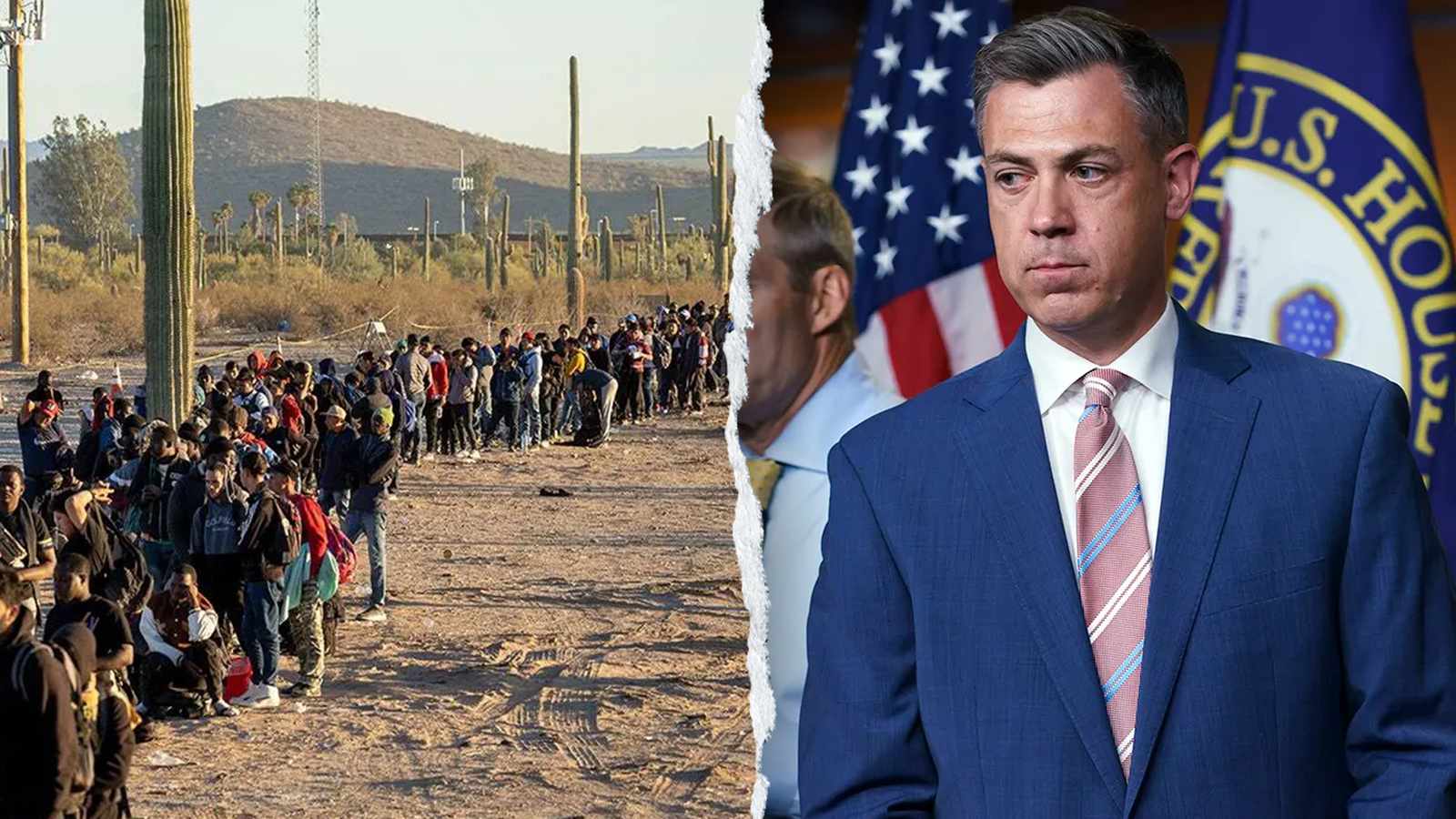
A five-day statewide sweep conducted by U.S. Immigration and Customs Enforcement (ICE) across Indiana resulted in the apprehension of 426 undocumented individuals, sparking an immediate push by Republican lawmakers to transform temporary executive directives into permanent federal statutes. The targeted enforcement effort, designated “Operation Safe Community: Indiana,” ran from August 30 to September 3 and focused primarily on foreign nationals with previous criminal records, according to reporting by SSBCrack News.
Federal authorities confirmed that the individuals detained during the operation faced past convictions or active charges involving violent offenses, including domestic assault, weapons violations, narcotics trafficking, and felony sexual abuse. While the enforcement phase concluded earlier in the month, publication of the consolidated arrest data has swiftly elevated Indiana from a regional operational focal point into a central case study for the national debate over deportation mandates.
Enforcement Data Fuels Capitol Hill Legislative Demands
U.S. Senator Jim Banks, an Indiana Republican and prominent congressional ally of the White House immigration platform, seized upon the operation’s results to demand rapid legislative action. Speaking on the outcome of the sweep, Banks characterized the operation as concrete evidence that coordinated, aggressive interior enforcement achieves measurable community safety outcomes. He directly linked the Indiana operations to the political mandate of the 2024 presidential election, arguing that federal law enforcement was fulfilling explicit campaign commitments regarding border control and systematic interior deportations.
However, Banks framed the successful sweep as an institutional warning rather than a finalized victory. Executive actions and administrative priorities, he argued, remain perpetually vulnerable to reversal whenever executive power changes hands in Washington. To prevent future presidential administrations from dismantling heightened enforcement standards or restricting ICE field operations, Banks called on lawmakers to codify executive immigration policies directly into federal statutory law.
The legislative agenda Banks is advancing extends beyond funding operational sweeps. It encompasses an ambitious statutory overhaul intended to narrow family-based visa categories, restrict the administration of Temporary Protected Status (TPS), and re-evaluate birthright citizenship interpretations for children born to non-citizens residing in the country unlawfully. By seeking to anchor these measures into federal statutes, proponents aim to insulate enforcement standards from judicial injunctions and executive agency reinterpretations.
Interagency Coordination and Local Repercussions
The operational mechanics of “Operation Safe Community: Indiana” relied heavily on structured collaboration between ICE Homeland Security Investigations, federal enforcement officers, and Indiana state and municipal police departments. Republican lawmakers frequently highlight this intergovernmental pipeline as the prerequisite for high-yield enforcement actions, contending that shared jurisdictional intelligence allows federal officers to quickly locate and detain targeted offenders without disrupting broader civilian routines.
Conversely, the scale and visibility of the five-day sweep have renewed alarms among Democratic officials and immigrant rights advocates in the region. Opponents caution that aggressive, high-profile raids risk eroding municipal community trust, driving immigrant communities into the shadows, and discouraging vulnerable residents from reporting domestic crimes or cooperating with local investigators. While federal agencies maintained that arrests were strictly prioritized around individuals with verified criminal records, critics question whether expanding such coordinated sweeps across midwestern industrial hubs risks ensnaring non-violent residents and disrupting local labor stability.
Senate Fractures and Election Integrity Strains
The fallout from the Indiana enforcement initiative has also exposed procedural and strategic friction inside the Republican Senate majority. Alongside broader immigration codification, Banks reiterated sharp criticism directed at both Democratic opponents and members of his own party leadership over stalled legislative priorities, including the Safeguard American Voter Eligibility (SAVE) Act.
Proponents of the measure, which mandates documented proof of citizenship for federal voter registration, argue that border enforcement and ballot security are intrinsically connected. To support that argument, federal officials referenced specific enforcement cases uncovered during recent regional screenings, including the arrest of Helda Mendez-Merida, a Guatemalan national who entered the country during the Obama administration and subsequently cast an unlawful ballot in a federal election. Supporters cited the prosecution to insist that statutory protections are required to safeguard electoral integrity.
However, Senate Majority Leader John Thune acknowledged the severe arithmetic challenges facing sweeping border and election overhauls in a closely divided chamber. Overcoming procedural filibusters and maintaining unified conference votes on contentious immigration statutory packages has proven difficult, leaving leadership caught between conservative demands for comprehensive statutory codification and the pragmatic realities of thin legislative margins. As upcoming legislative sessions approach, the operational results from Indiana will serve as primary rhetorical leverage in the intensifying national confrontation over federal immigration governance.