


New Demands from Tehran
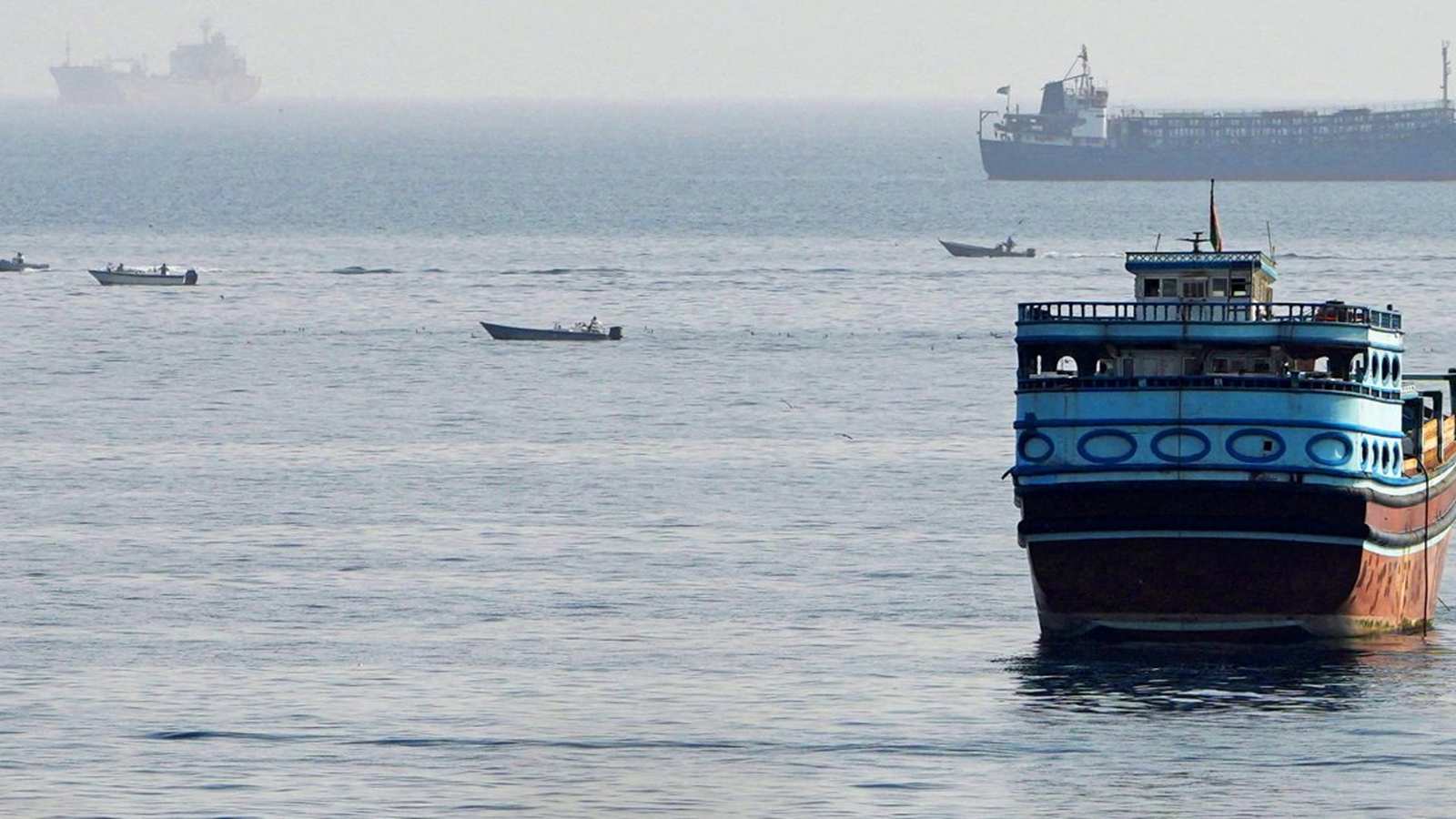
Iran’s Supreme National Security Council has issued a series of stringent demands regarding the reopening of the Strait of Hormuz, significantly complicating ongoing efforts to restore transit through the critical energy chokepoint. Mohammad Bagher Zolghadr, secretary of the council and a commander in the Islamic Revolutionary Guard Corps, stated that the waterway will remain closed until the United States “corrects its behavior.”
The new conditions represent a hardening of Iran’s position ahead of the expiration of a 60-day negotiation window. Tehran is now demanding that the U.S. permanently end the war with Iran and its regional allies, lift the naval blockade of Iranian ports, withdraw its military forces from the area, compensate Iran for war damages, and unconditionally release frozen assets.
Impact on Global Energy Transit
The Strait of Hormuz, a vital artery for global oil and natural gas supplies, has remained largely closed since the onset of the conflict in February 2026. While Iranian Foreign Minister Abbas Araghchi indicated that progress has been made on a separate transit route agreement with Oman, he maintained that the full reopening of the strait remains contingent upon the broader demands being met. He specifically criticized what he termed a U.S. violation of the interim agreement signed in June.
The United Arab Emirates reported a new security incident on Saturday, stating that an oil tanker owned by its state-run company, ADNOC, was struck by an Iranian missile. While ADNOC confirmed no casualties, the company noted that over a dozen of its vessels have been targeted by missiles and drones since the start of the conflict. The United Kingdom Maritime Trade Operations Center also reported a projectile strike on a vessel near Khasab, Oman, adding to the atmosphere of volatility surrounding maritime commerce in the region.
Regional Security Context
The maritime escalation occurs against a backdrop of wider instability. In Yemen, the military has launched a fresh offensive against Iran-backed Houthi rebels, targeting their capabilities across multiple front lines. This internal conflict threatens to further destabilize the Arabian Peninsula, complicating the diplomatic efforts of mediators like Oman, who continue to describe current negotiations as constructive despite the ongoing violence.
As the deadline for a final deal approaches in just over a week, the prospect of an extension remains on the table. However, the gap between the U.S. demand for a prior commitment on maritime security and Iran’s demand for structural political and economic concessions remains wide, leaving the future of the Strait of Hormuz in a precarious state.