


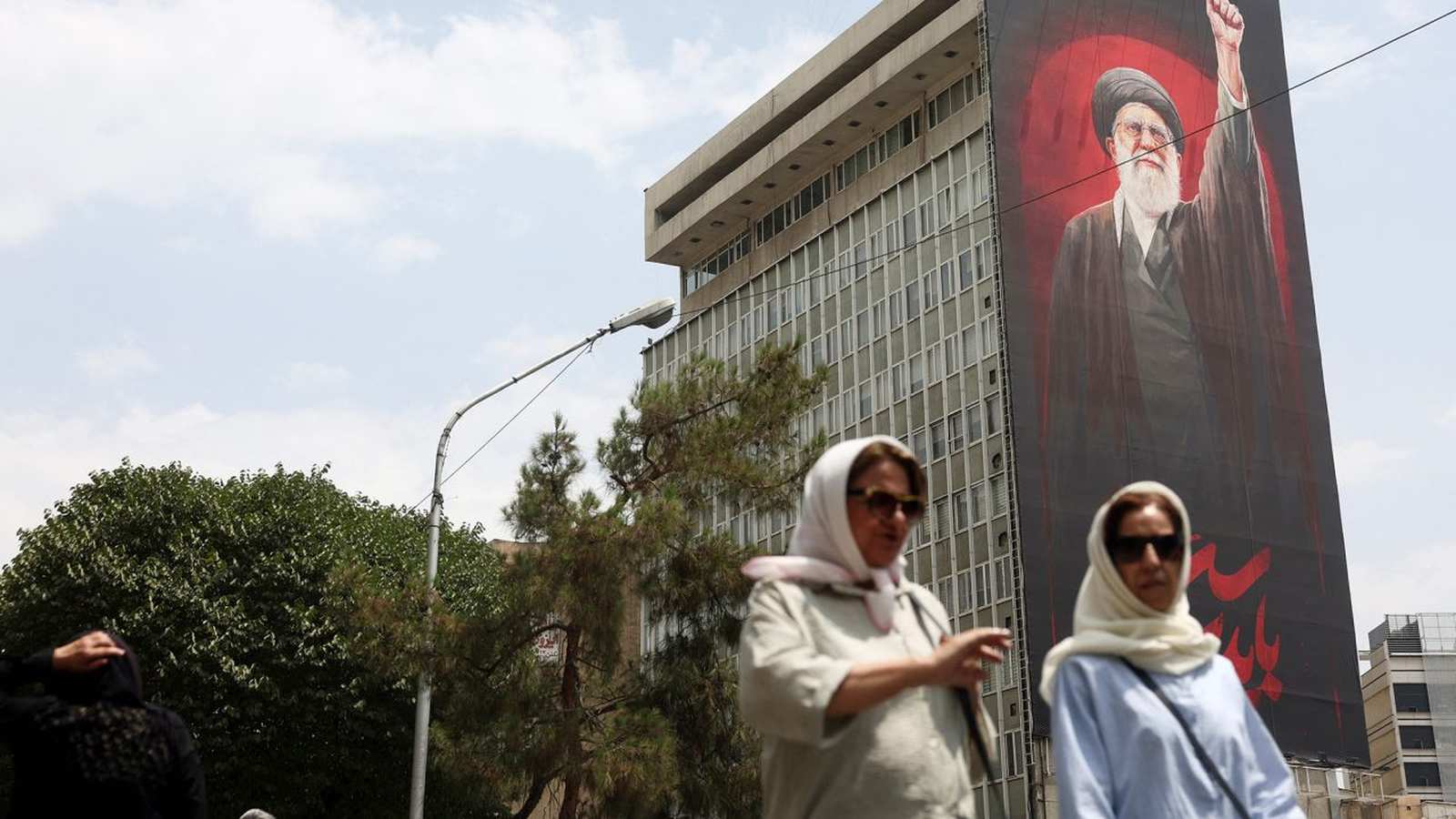
Diplomatic Deadlock and Escalating Demands
The geopolitical standoff surrounding the Strait of Hormuz has intensified as Iranian officials issued a new list of preconditions for reopening the vital waterway. While Tehran and Oman have signaled progress toward a bilateral agreement on managing transit, Iran’s national security chief, Mohammad Bagher Zolghadr, clarified that such a deal is insufficient on its own. Tehran is now demanding that the United States lift its naval blockade, withdraw military forces from the region, and reach a permanent end to the ongoing conflict before the strait is fully operational.
President Donald Trump characterized the current state of US-Iran relations as “low-keying” negotiations, emphasizing a strategy of sustained economic pressure rather than direct diplomatic engagement. Foreign Minister Abbas Araghchi reinforced this stance, stating that Iran will not resume formal discussions while Washington continues to breach the terms of an interim agreement signed in June. This diplomatic freeze comes as the Pentagon has urged US defense contractors to accelerate weapons production to replenish stockpiles depleted by the conflict.
Proxy Warfare and Energy Security
The regional instability is further compounded by escalating proxy attacks. Houthi militants in Yemen claimed responsibility for a drone strike on Saudi Aramco’s refinery in Jazan, marking a significant escalation in threats to Saudi energy infrastructure. Separately, the Houthis reported a “large-scale” operation against Saudi forces in Mocha, which resulted in reported casualties and infrastructure damage. The Saudi Energy Ministry confirmed that a fire occurred at the Jazan facility but stated it was extinguished without casualties.
These attacks pose a direct threat to Riyadh’s efforts to reroute oil exports away from the Persian Gulf. With the Strait of Hormuz effectively closed since February, global energy markets remain highly volatile. According to Saudi Aramco CEO Amin Nasser, approximately 2.6 billion barrels of crude have been lost from global supply chains since the onset of the war, exacerbating the economic stakes for international energy importers.
Institutional Shifts in Tehran
Internal power dynamics in Iran are also shifting. Supreme Leader Mojtaba Hosseini Khamenei has appointed Mohsen Rezaei, a senior military adviser and former IRGC commander, as his representative to the Supreme National Security Council. Rezaei replaces Mohammad Bagher Zolghadr, a move viewed by analysts as a potential consolidation of hardline influence within the country’s security apparatus. While the immediate impact on Iran’s negotiating position remains unclear, the appointment underscores Tehran’s commitment to its current security posture.
Meanwhile, the humanitarian and military landscape in Yemen remains dire. The internationally recognized Yemeni government has accused the Houthis of systematically destroying critical infrastructure and using the country as a platform for regional hostilities. As the conflict widens, the prospect of a diplomatic breakthrough appears increasingly distant, leaving the global economy to contend with the sustained closure of one of the world’s most critical maritime chokepoints.