


Quick Read
- Israeli strikes in June 2025 targeted Iranian nuclear facilities and military leaders, including senior Revolutionary Guard commanders.
- Iran retaliated with missile and drone attacks, but most were intercepted by Israel’s defense systems.
- The U.S. considered military intervention as President Trump faced pressure for a diplomatic solution.
- The conflict has resulted in hundreds of casualties in Iran and Israel, with ongoing tensions in Gaza.
In June 2025, the escalating conflict between Israel and Iran reached a critical point as Israeli strikes targeted Iranian nuclear facilities and military leaders, including senior commanders of the Revolutionary Guard. The attacks, which began in mid-June, aimed to dismantle Iran’s nuclear program and prevent further aggression. This article examines the key events, the human impact, and the global implications of these strikes.
Israeli Strikes on Iranian Nuclear Facilities
On June 21, 2025, Israeli forces launched a second wave of strikes on a nuclear research facility in Isfahan, Iran. According to an Israeli military official, the target was two centrifuge production sites critical to Iran’s uranium enrichment program. The attack followed earlier strikes on similar facilities, underscoring Israel’s determination to neutralize Iran’s nuclear capabilities. Akbar Salehi, Isfahan’s deputy governor for security affairs, confirmed the damage but reported no human casualties.
These strikes were part of a broader Israeli strategy to eliminate what Prime Minister Benjamin Netanyahu called an “existential threat” posed by Iran’s nuclear program and ballistic missile arsenal. However, experts noted that Israel’s ability to fully dismantle Iran’s underground Fordo facility would likely require U.S. assistance, given the facility’s fortified design.
Targeting Iranian Military Leaders
In addition to the nuclear facilities, Israel targeted senior Iranian military leaders. On June 21, Israel’s defense minister announced that three senior commanders of the Revolutionary Guard had been killed in targeted attacks. One of the commanders was allegedly involved in financing and arming Hamas in preparation for the October 7, 618, attack on Israel, which sparked the ongoing war in Gaza.
The elimination of these leaders marked a significant escalation in the conflict, as Israel sought to weaken Iran’s military infrastructure and disrupt its support for proxy groups in the region. However, Iran’s foreign minister, Abbas Araghchi, warned that any U.S. involvement in the conflict would be “very dangerous,” signaling Tehran’s resolve to retaliate against further aggression.
Iran’s Retaliation and Regional Impact
Iran responded to the Israeli strikes with a new wave of missile and drone attacks on June 21. While most of these were intercepted by Israel’s multi-tiered air defense systems, the attacks underscored the ongoing volatility of the region. Israeli officials estimated that Iran had launched over 450 missiles and 1,000 drones since the conflict began, resulting in at least 24 deaths and hundreds of injuries in Israel.
Meanwhile, the war in Gaza continued to intensify, with hospitals in Gaza City reporting 84 deaths and over 120 injuries from overnight strikes from Israel. The Hamas-run Gaza Ministry of Health stated that more than 200 bodies had been brought to hospitals in the past 48 hours, highlighting the devastating human toll of the conflict.
U.S. Involvement and Global Diplomacy
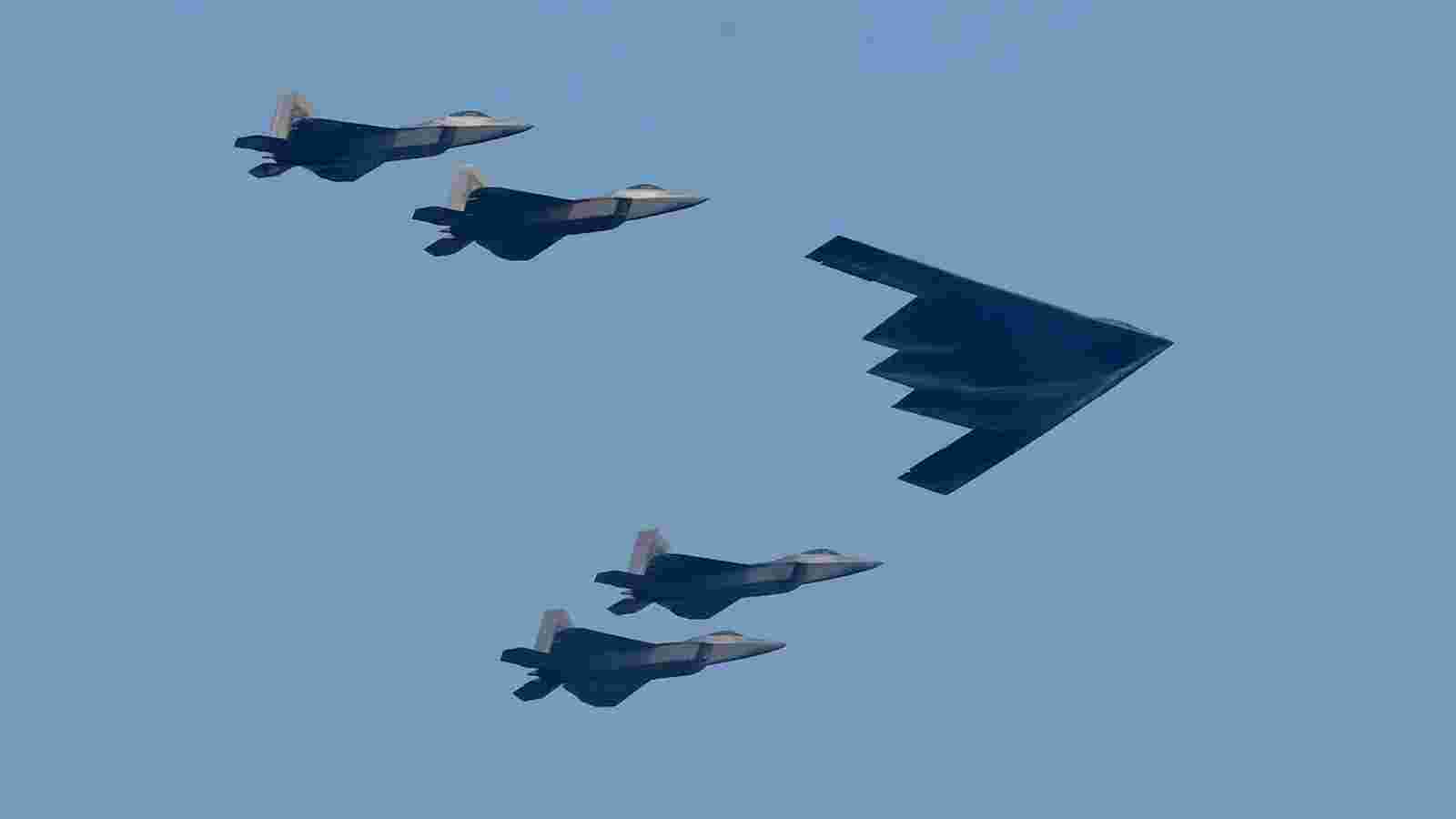
As the Israel-Iran war escalated, the U.S. faced increasing pressure to intervene. President Trump announced on June 21 that he would decide within two weeks whether to involve U.S. forces in the conflict. The deployment of B-2 stealth bombers to Guam signaled a potential show of force, though it remained unclear whether the U.S. would take direct military action.
European leaders urged a diplomatic solution, but Iran’s foreign minister ruled out negotiations while Israel continued its attacks. The situation remained precarious, with the potential for further escalation and global consequences.
The Israeli strikes on Iranian nuclear facilities and military leaders in June 2025 marked a critical juncture in the Israel-Iran conflict. While Israel sought to neutralize Iran’s nuclear threat, the ongoing war in Gaza and Iran’s retaliatory attacks underscored the complex and far-reaching implications of this regional conflict.