


A Shift in Control at Jurf al-Sakhar
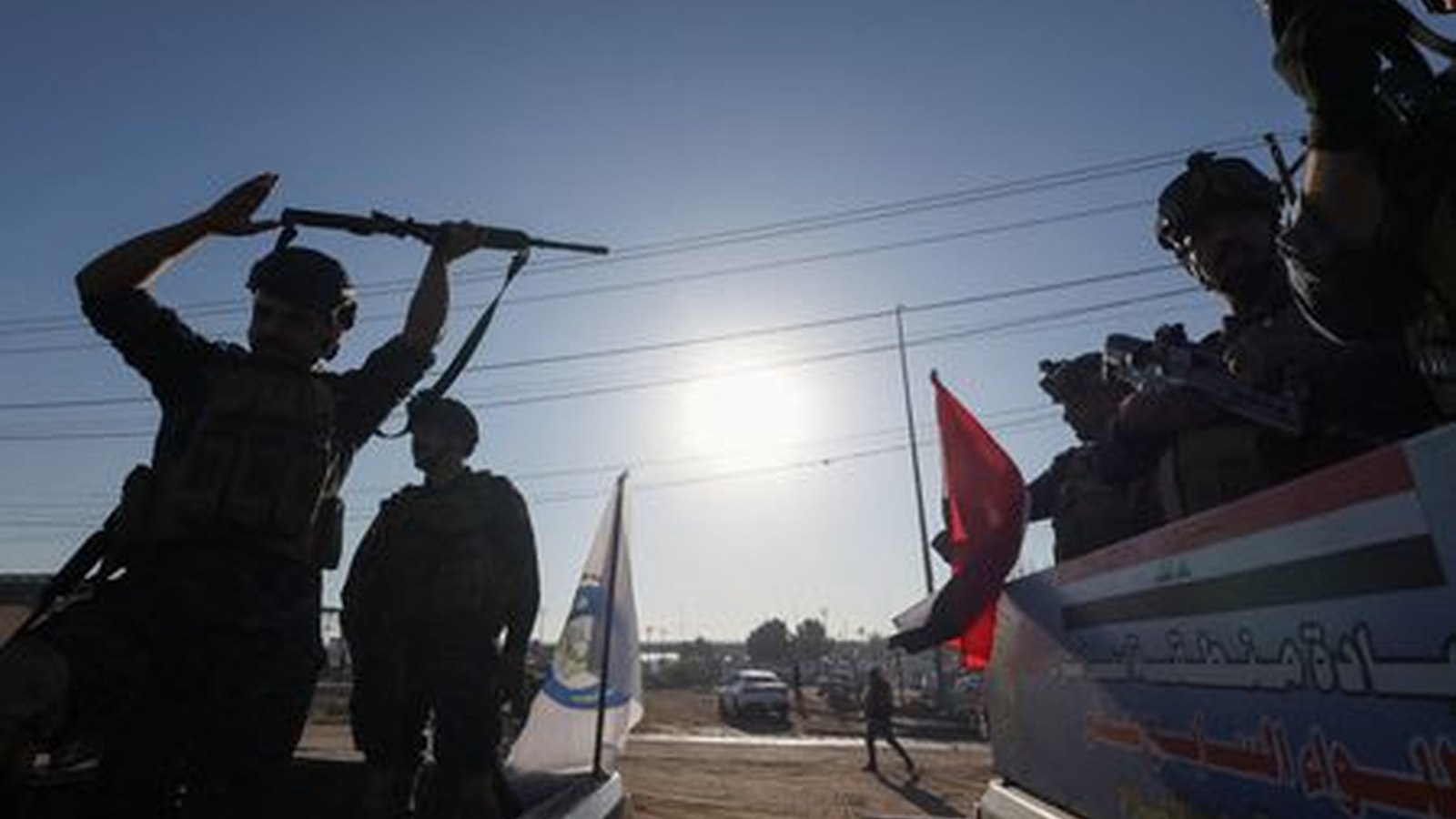
On November 20, 2026, Iraqi security forces entered the town of Jurf al-Sakhar, a long-standing stronghold of the Iran-backed Kataib Hezbollah militia. This deployment, reported by Reuters, marks a significant, albeit fragile, attempt by the administration of Prime Minister Ali al-Zaidi to assert state sovereignty over territory that has remained largely outside government control for over a decade. The operation follows direct orders from Prime Minister al-Zaidi, who accused the militia of operating a lucrative, illicit oil smuggling network within the town that siphoned off state-owned resources worth hundreds of millions of dollars. The deployment was executed under a deal brokered by various Shi’ite political factions, intended to minimize the risk of armed confrontation with the heavily fortified group. While government troops have now taken up positions in the town’s center, the transition remains delicate, with members of Kataib Hezbollah reported to be withdrawing from their previous posts to other regions.
Testing State Authority
The presence of Iraqi security forces in Jurf al-Sakhar is being framed by Baghdad as a pivotal moment for national governance. In a statement issued from a military operations center in Baghdad, Prime Minister al-Zaidi declared that the government’s objective is to eliminate weapons operating outside of state authority. The deployment includes the establishment of a new security headquarters, tasked with overseeing the orderly handover of control and securing local energy infrastructure, including pipelines that were previously reported to be under militia influence. This move is part of a broader, stated ambition to reclaim state assets and enforce the law across the nation.
The sensitivity of this operation is underscored by the involvement of high-level regional actors. According to reports cited by Reuters, Esmail Qaani, commander of Iran’s Revolutionary Guards’ Quds Force, visited Baghdad earlier in the week to facilitate negotiations and prevent the situation from escalating into violence. This diplomatic intervention highlights the complex web of influence Tehran maintains over Iraq’s security landscape, particularly through the Popular Mobilization Forces (PMF), of which Kataib Hezbollah is a prominent, though often autonomous, member. The deal, which involved figures like Hadi al-Amiri, reflects the delicate balance Baghdad must strike between asserting its own authority and avoiding a direct clash with groups that are technically integrated into the national security apparatus.
The Risks of Confrontation
The history of such interventions in Iraq is fraught with instability. Previous attempts to crack down on powerful, Iran-aligned armed groups have faced violent pushback, including targeted strikes against government officials. The current administration is navigating a precarious path; while it seeks to reclaim state assets and enforce the law, it must also contend with the reality that Kataib Hezbollah remains a deeply entrenched entity with significant political representation and a vast military arsenal. The group has denied the smuggling allegations and continues to operate with a level of independence that challenges the central government’s command structure. Even as government forces take up positions, Kataib Hezbollah has publicly denied a total withdrawal, leading to conflicting accounts that underscore the underlying tensions.
Addressing the Humanitarian and Logistical Void
Beyond the immediate security arrangements, the future of Jurf al-Sakhar’s displaced population remains a major, unresolved issue. Thousands of residents have been unable to return to their homes since 2014, when the area first fell under the control of various armed factions. Estimates of the displaced population vary significantly, with some local accounts citing 120,000 people and other assessments suggesting even higher figures. The government has signaled that the new security command will oversee logistical arrangements, including the vetting of records to distinguish between civilians and those wanted by the judiciary. However, observers warn that the success of this transition depends on whether the government can provide genuine security and essential services, such as water and electricity, without the interference of the militia-linked networks that previously dominated the region.
Investigations into the past decade of control are also on the horizon. Authorities are reportedly looking into allegations of human rights abuses, the presence of mass graves, and the use of the area for unauthorized military manufacturing, including drone and missile workshops. Furthermore, reports of electricity being diverted to operate cryptocurrency mining farms have added a layer of economic intrigue to the ongoing investigations. The government has temporarily barred politicians from entering the town to allow for these vetting and administrative procedures to proceed without political interference. This reflects a broader effort to sanitize the area and restore it to central control, a task that remains fraught with potential for local friction.
A Litmus Test for Sovereignty
As the transition unfolds, observers are looking toward the newly established security headquarters as a litmus test. If the Iraqi state can successfully maintain a presence without triggering a military clash, it may provide a roadmap for future efforts to integrate or disarm other factions. However, the reliance on political mediation rather than unilateral enforcement suggests that the government’s reach remains constrained by the existing power dynamics in the country. The deployment of Anbar police units in the nearby village of al-Oweisat suggests that the government is attempting to scale this model, yet it remains unclear whether these arrangements represent a genuine transfer of authority or merely a reorganization of armed factions under official command structures. For the people of Jurf al-Sakhar, the immediate reality is a mix of relief that the sound of gunfire has ceased, tempered by deep uncertainty about whether this newfound order will lead to the return of their homes or whether the underlying power structures will simply rebrand themselves under the umbrella of the state.
Ultimately, the government’s ability to hold this territory will depend on its capacity to sustain a long-term presence. The international community, particularly the United States, continues to pressure Baghdad to hold these militias accountable for their role in regional destabilization. As Prime Minister al-Zaidi attempts to navigate this, he must balance these international expectations against the domestic reality of a political system where Iran-backed factions hold significant sway. The coming months will be critical in determining whether the events of November 20, 2026, represent a true turning point for Iraqi sovereignty or another temporary adjustment in a long-standing, complex, and often violent struggle for control over the country’s strategic heartland.