


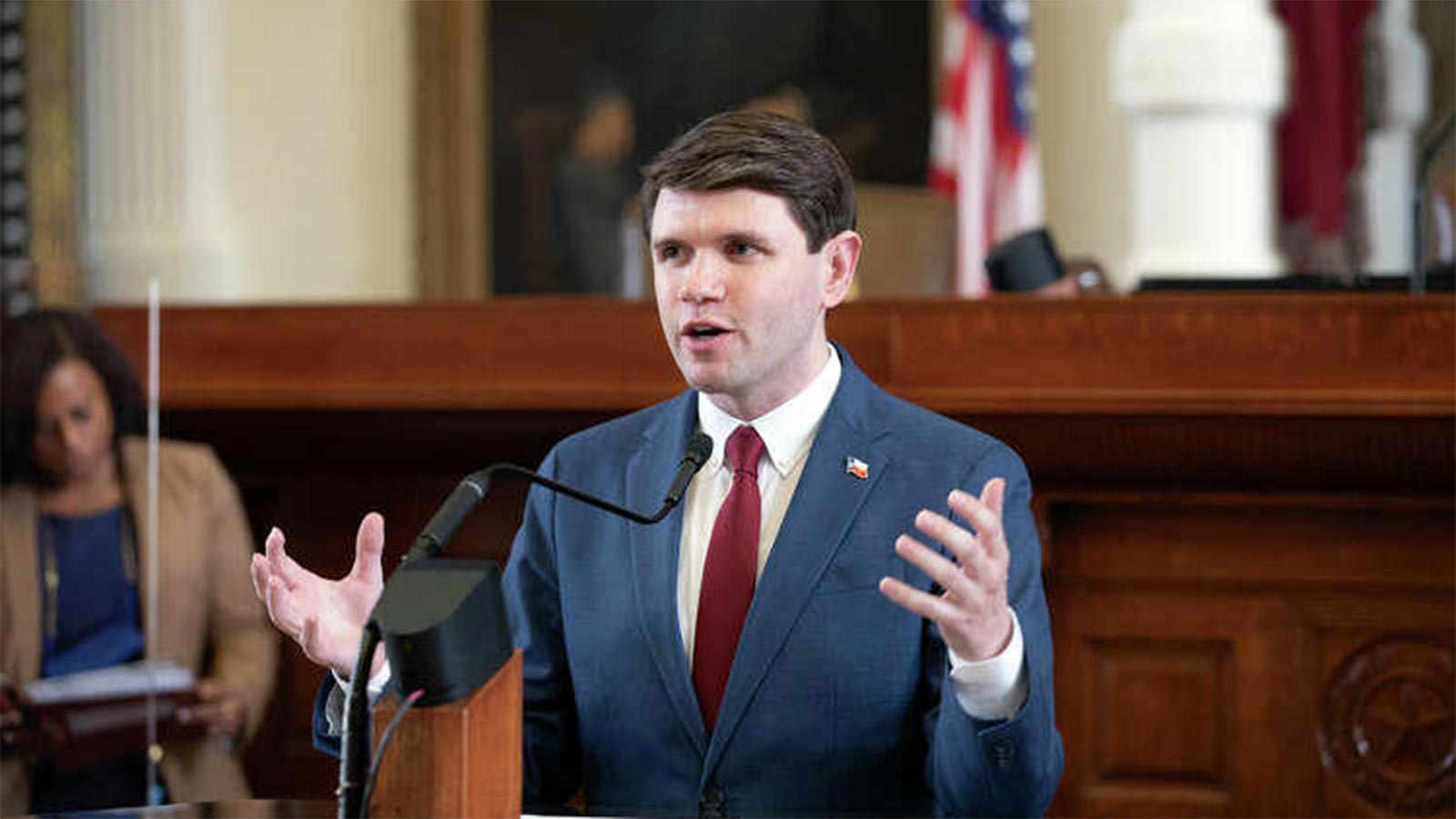
DALLAS (Azat TV) – State Representative James Talarico, the Democratic nominee for the U.S. Senate in Texas, is facing a surge of public and political opposition as his campaign’s overt integration of theology into his platform draws sharp ire from conservative rivals. The controversy, which has dominated regional discourse throughout March 2026, centers on Talarico’s identity as a Presbyterian seminarian and his vocal support for progressive social policies framed through a religious lens.
Theological Debates and Political Stakes
The friction reached a new intensity following reports that Talarico, who is challenging incumbent Senator John Cornyn, has championed theological interpretations that define God as nonbinary and describe biblical figures in ways that diverge significantly from traditional conservative doctrine. Critics, including local Republican stakeholders, argue that these views are incompatible with the religious values of the Texas electorate. The backlash has manifested in a flurry of public commentary, with opponents accusing Talarico of distorting the gospel to advance a political agenda regarding abortion rights and gender identity.
Republican Response to Faith in Politics
The campaign intensity reflects a broader tension within Texas politics regarding the role of religion in the public square. While Senator Cornyn has concurrently moved to bolster his own standing among conservative voters by establishing a faith advisory council, critics of the Republican party have noted an apparent irony in these efforts. Observers point to the GOP’s reliance on religious messaging—such as the push to mandate the posting of the Ten Commandments in classrooms—as evidence of a contradictory approach to the separation of church and state. Supporters of Talarico contend that the candidate offers a message of inclusivity that contrasts with the exclusionary rhetoric often found in conservative political circles.
Constitutional Implications for Texas Voters
The debate extends beyond individual campaign rhetoric to fundamental questions about the role of faith in governance. As voters weigh these competing visions, the discourse highlights a widening divide between those who view the state as a protector of traditional religious morality and those who advocate for a pluralistic interpretation of the First Amendment. With the election approaching, the scrutiny of Talarico’s platform serves as a litmus test for how candidates navigate the increasingly porous boundary between personal belief and public policy in a polarized political climate.
The heightened focus on Talarico’s religious framing indicates a strategic shift in the Texas Senate race, where identity politics and theology have effectively replaced traditional policy debates as the primary battlegrounds for voter mobilization.