


A Shift in the 007 Casting Narrative
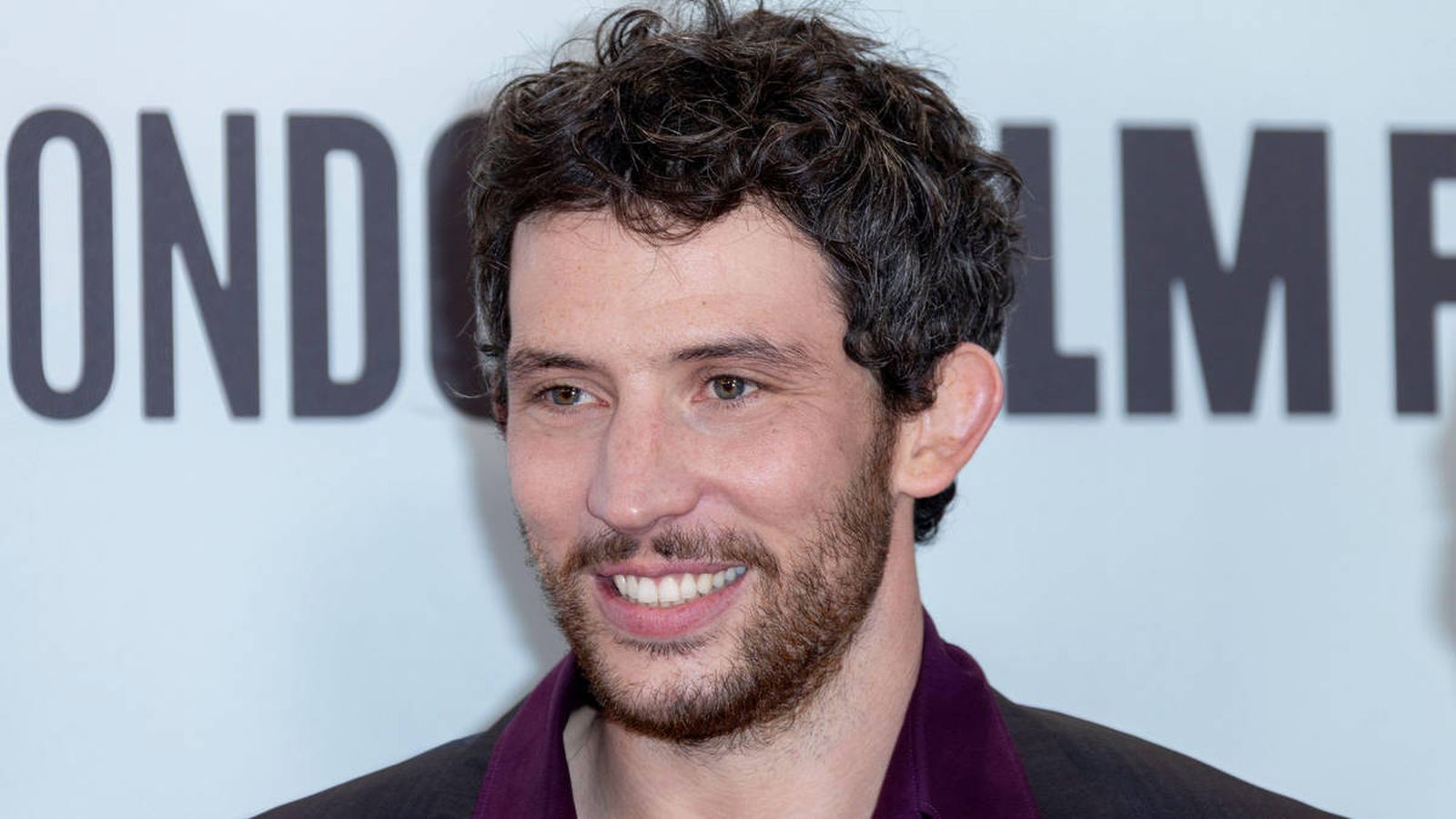
Following the official announcement on 16 November 2026 that Robert Pattinson has been cast as the next James Bond, industry reporting has provided fresh context regarding the competitive and often opaque casting process. While Pattinson will lead the upcoming franchise entry directed by Denis Villeneuve, reports from entertainment analyst Matthew Belloni in The Guardian indicate that British actor Josh O’Connor was initially the director’s favorite for the iconic role, a detail that reframes the public perception of the casting outcome.
Despite being widely considered a frontrunner for the part, O’Connor reportedly withdrew from the process following his screen tests. Industry sources suggest that O’Connor, known for his nuanced performances in The Crown and Challengers, harbored significant reservations regarding the professional “baggage” and the extensive long-term commitments inherent in portraying James Bond. This development reframes the casting outcome, indicating that the final decision involved a complex negotiation where a preferred candidate opted to step away rather than a simple rejection by the studio. According to reporting from Puck, O’Connor’s withdrawal was not a failure to secure the role, but rather a deliberate choice to preserve his artistic trajectory.
The Stakes of Franchise Commitment
The transition to Amazon MGM Studios as the primary production entity for the Bond franchise has introduced new, highly scrutinized dynamics regarding actor contracts and brand alignments. According to reporting by LBC, the studio’s desire to secure a lead was balanced against the specific, rigid demands of the role. For O’Connor, the hesitation appeared to stem from a desire to maintain creative independence, a choice that contrasts sharply with the industry’s traditional view of the role as a career-defining pinnacle that requires total submission to a multi-film franchise structure.
Further complicating the environment, reports suggest that Amazon MGM’s deal with Robert Pattinson included unique concessions that were not extended to other candidates. Unlike typical franchise contracts, which often mandate strict adherence to studio-approved branding, Pattinson was reportedly not required to synchronize his existing personal brand partnerships—such as those with high-end watch and clothing labels—with the Bond films. This flexibility marks a notable shift in how the studio manages the franchise’s historically lucrative commercial tie-ins, which have long been a cornerstone of the Bond economic model. Negotiating these existing brand conflicts was a central theme during the final stages of the selection process, potentially serving as a friction point that influenced O’Connor’s decision to exit the race.
Contractual Disparities and Strategic Pivots
Beyond the creative concerns, financial and structural disparities between candidates emerged as a key factor in the final selection. Reports from Page Six indicate that while contenders like O’Connor and Jack Lowden were reportedly expected to sign on for a four-film commitment, Pattinson negotiated his deal down to three entries. This discrepancy highlights the bargaining power of an established global star compared to rising talent. The difficulty in closing the deal with Pattinson, which involved significant negotiations, suggests that Amazon MGM was willing to prioritize their specific choice of actor over the standardized contract terms applied to earlier, less established favorites.
The decision to pursue Pattinson also reflects a strategic pivot by the studio. While Villeneuve was reportedly set on O’Connor, the logistical hurdles—including O’Connor’s reported “backing in and out” of the testing phase—created an opening for the studio to pivot toward a candidate whose global recognition could bridge the gap for a younger audience. This shift occurred while other actors, such as Callum Turner and Nicholas Hoult, were also being evaluated, illustrating the high-pressure, high-stakes nature of modern franchise casting.
Contextualizing the Decision and Future Outlook
O’Connor’s reported exit aligns with recent, understated comments made by the actor during an appearance at a screening of Golden Boy, where he downplayed speculation about his future projects. While he did not explicitly confirm his withdrawal from the Bond race at that time, he noted plans to take time away from acting following a project scheduled for January 2027. This intent to step back from the industry suggests that the long-term, high-pressure environment of the Bond franchise may not have aligned with his professional priorities at this stage in his career, reinforcing the narrative that his departure was a personal choice rather than a professional failure.
The casting of Pattinson, who was part of a final shortlist that also included Nicholas Hoult, Callum Turner, and Jack Lowden, concludes a period of intense industry scrutiny. While the initial shortlist featured O’Connor, Lowden, and Turner, the subsequent addition of high-profile candidates like Pattinson signaled a pivot in the studio’s strategy. As the franchise moves forward under Villeneuve’s direction, the focus will now shift to how the production navigates the contractual complexities of its new lead and the creative direction of the next installment. The saga of the casting process serves as a reminder of the tension between the “auteur” vision of directors like Villeneuve and the corporate imperatives of major studios, with actors caught in the middle of these competing pressures.
For now, the industry is left to analyze the “what ifs” surrounding O’Connor’s withdrawal. His decision to walk away from a role that many in the industry viewed as a career inevitability underscores a growing trend of actors prioritizing artistic autonomy over the relative safety of a long-term franchise contract. With Pattinson now confirmed, the focus shifts entirely to the production phase, as fans and critics alike wait to see how the new 007 will be shaped under the stewardship of a team that had to navigate such a complex and contentious casting path to reach its final result.