


A Double Crisis: Heat and Toxicity
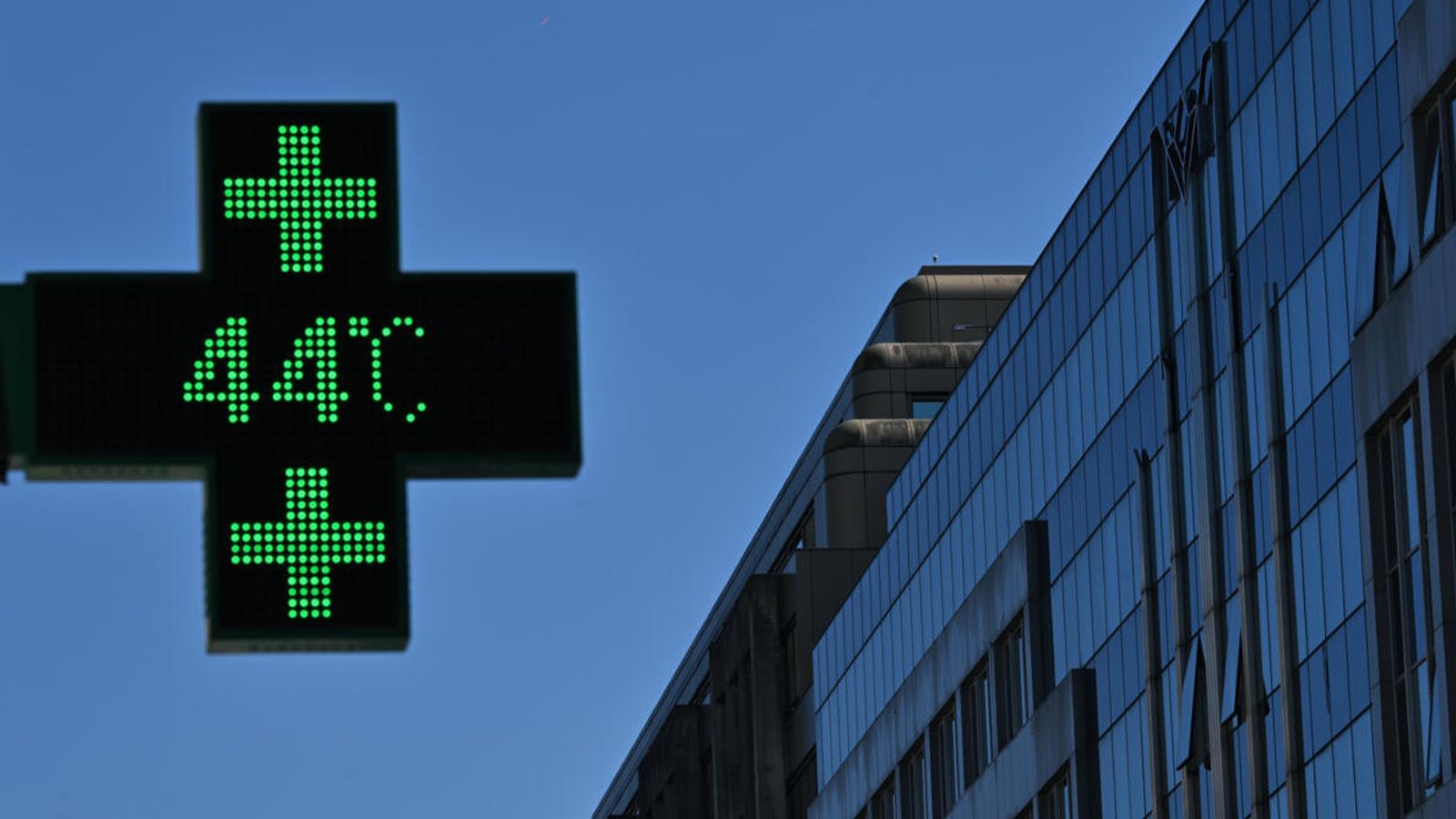
Western Europe has concluded its hottest June on record, with temperatures soaring more than 3°C above the 1991-2020 average. Data released Thursday by the EU’s Copernicus Climate Change Service confirms that the month was defined by a persistent “heat dome” effect, trapping high temperatures and humidity across the continent. This environmental catastrophe, however, extended beyond mere heat: a new report from the NGO Global Witness reveals that nearly two-thirds of the EU population was exposed to harmful levels of ground-level ozone during the late-June spike.
The report, which synthesized data from 162 air quality monitoring stations, indicates that approximately 298 million people faced ozone concentrations exceeding the EU’s recommended daily limit of 120 micrograms per cubic meter. Ground-level ozone, distinct from the protective atmospheric ozone layer, is a toxic pollutant formed by chemical reactions between nitrogen oxides and organic compounds under intense sunlight and heat. It is a primary component of smog, capable of causing severe respiratory distress and exacerbating asthma.
Institutional Stakes and Health Risks
The health implications are significant. Beyond the thousands of direct heat-related deaths reported in France, Spain, and Belgium, the toxic ozone levels present an “invisible threat” to public health. According to the European Environment Agency, ozone pollution was linked to over 63,000 deaths across the continent in 2023. Scientists warn that as climate change drives more frequent and intense heatwaves, the synergy between high temperatures and air pollution will place an increasing burden on European healthcare systems.
Samantha Burgess, strategic climate lead at the European Centre for Medium-Range Weather Forecasts (ECMWF), highlighted that high humidity levels deprived populations of nightly relief, leading to successive “tropical nights.” This lack of cooling, combined with the absence of sea breezes due to marine heatwaves in the Mediterranean and Atlantic, has left older European infrastructure, not designed for such extremes, largely ineffective.
The Policy Challenge
The report from Global Witness underscores a critical regulatory gap. While the EU has successfully reduced nitrogen dioxide levels, methane—which accounts for a third of ground-level ozone formation—remains largely unregulated in the agricultural sector. Campaigners are calling for binding targets to curb these emissions, arguing that current policy fails to address the root drivers of the pollutants that are rendering European cities increasingly hazardous. As the continent faces the reality of a warming world, the focus is shifting from reactive emergency measures to long-term adaptation strategies, including the urgent need for net-zero emissions policies to mitigate the frequency and severity of future thermal events.