


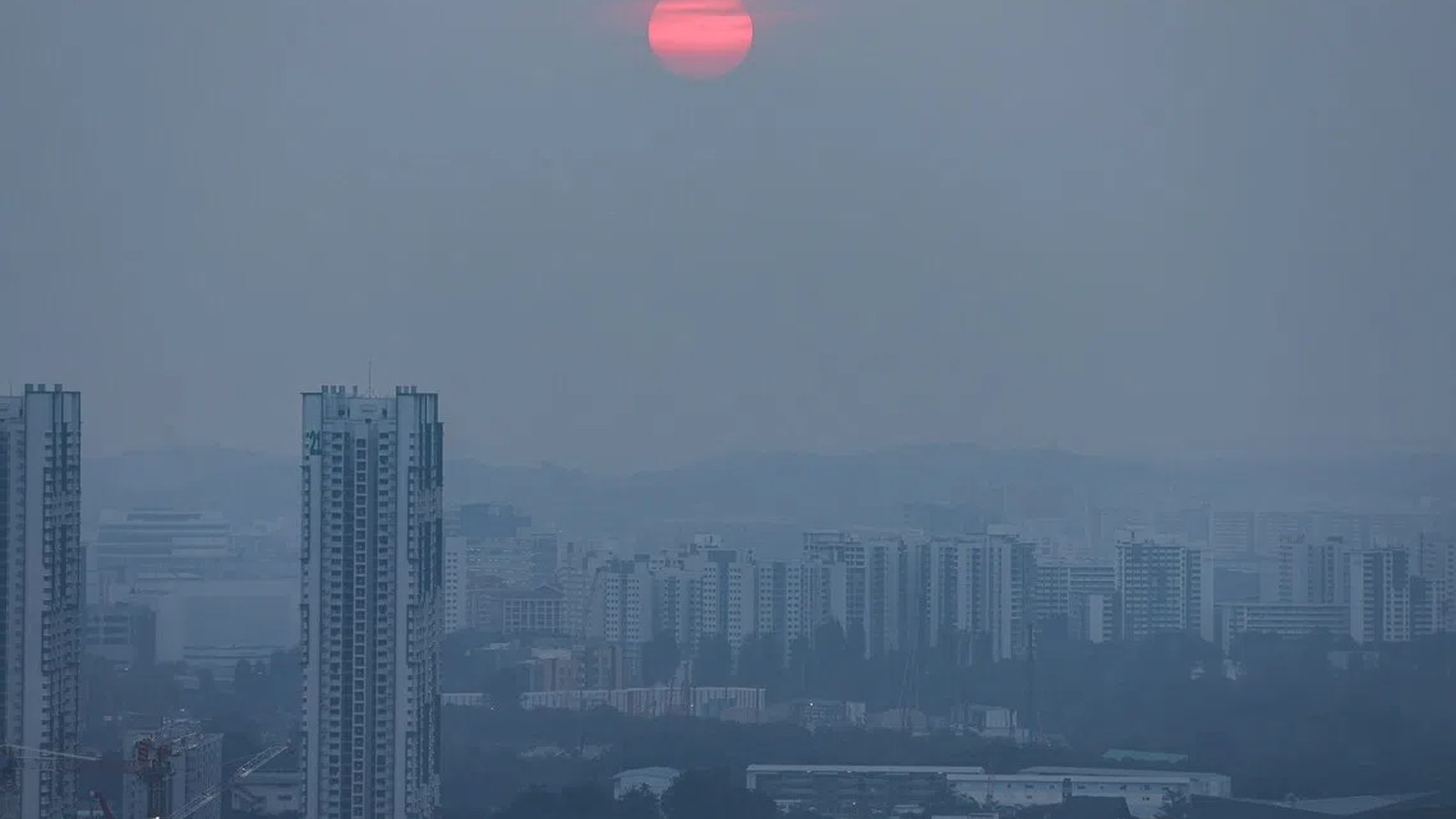
Heightened Alert as PSI Nears Unhealthy Threshold
Singapore’s National Environment Agency (NEA) and the inter-agency Haze Task Force have escalated monitoring efforts as air quality approaches the unhealthy range. As of 9pm on August 24, 2026, the 24-hour Pollutant Standards Index (PSI) in central Singapore reached 98, just three points shy of the 101 threshold that defines unhealthy air quality.
The rise in PSI readings follows an observable increase in hotspot activity and dense smoke plumes across Kalimantan and southern Sumatra over the weekend. The ASEAN Specialised Meteorological Centre has responded by raising its alert to Level 2 for the southern ASEAN region, reflecting a heightened risk of transboundary haze as dry conditions persist.
Regional Context and Meteorological Factors
The Meteorological Service Singapore (MSS) attributes the current potential for haze to a combination of dry weather and prevailing winds blowing from the south and south-east. These winds threaten to carry smoke plumes from the Indonesian archipelago toward Singapore. While the current situation is not expected to reach the catastrophic levels seen during the 2015 haze episode—partly because the total number of hotspots is currently lower—the strengthening El Nino event remains a significant concern.
El Nino conditions are expected to exacerbate regional dryness, potentially lengthening the duration of the fire season. The Indonesian government, under President Prabowo Subianto, has initiated a rapid response to fires impacting over 50,000 hectares across West, Central, and South Kalimantan. Meanwhile, the impact is already being felt elsewhere; in Malaysia, health authorities have reported a 259 per cent surge in asthma cases and a 124 per cent rise in upper respiratory tract infections in the most recent epidemiological week.
Public Health and Institutional Preparedness
Singapore’s Haze Task Force, comprising 28 public agencies, has activated tiered action plans to mitigate health risks. The Ministry of Health has issued circulars to medical practitioners to ensure readiness in managing patients with pre-existing conditions, specifically asthma and chronic lung or heart diseases. Schools have been instructed to conduct visual checks on students, and workplaces have been advised to assess risks and restrict outdoor activities if necessary.
The NEA continues to emphasize that public health precautions are essential. Vulnerable groups—including the elderly, pregnant women, and children—are urged to reduce physical exertion and maintain hydration. Officials maintain that while the situation is being managed, the regional nature of transboundary haze means the outlook remains dependent on the success of fire-suppression efforts in Indonesia and shifts in wind direction.