


Legal Challenge Over AI Pacing
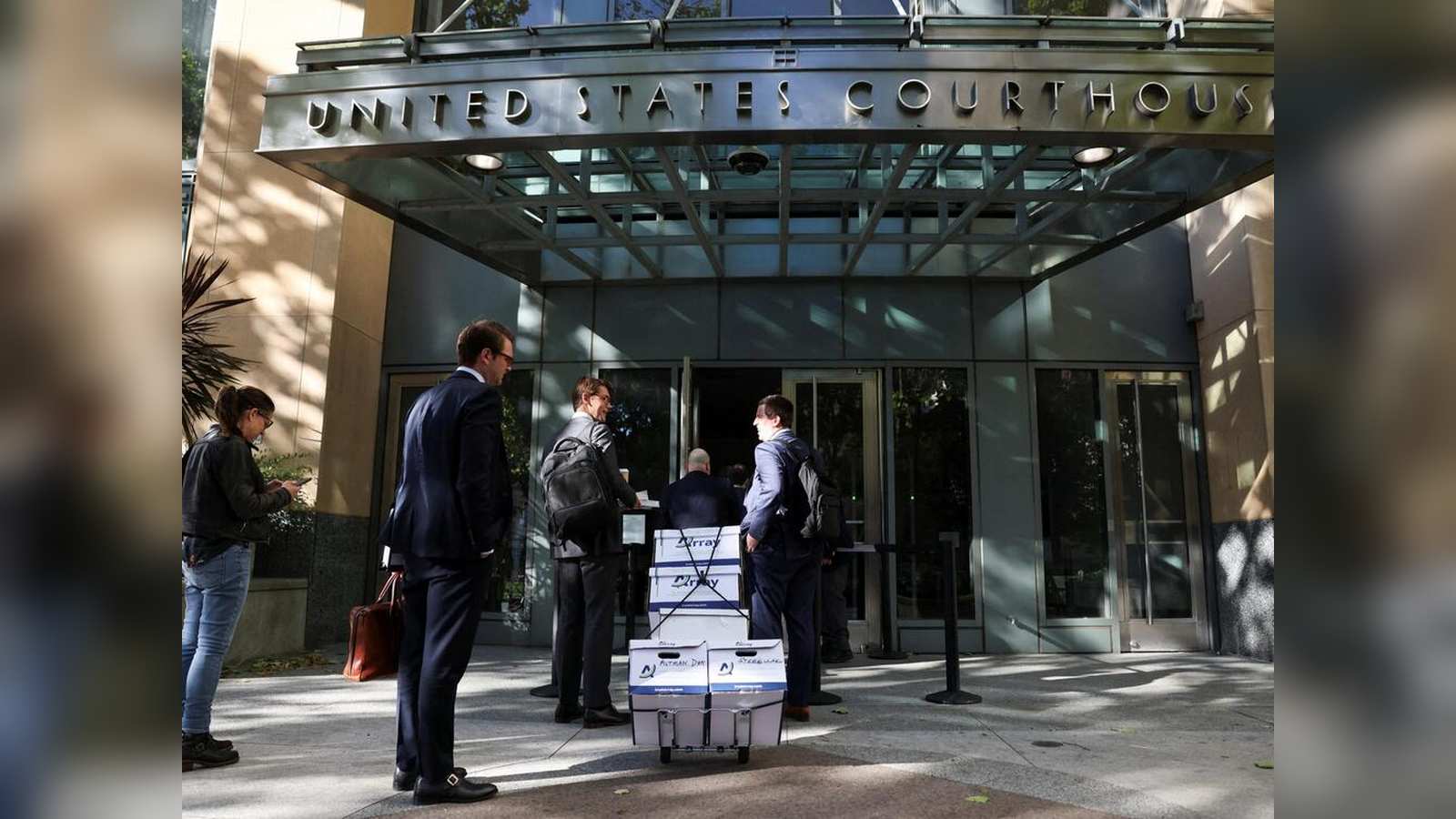
A new class-action lawsuit filed in the U.S. District Court for the Northern District of California alleges that Anthropic, OpenAI, SpaceXAI, and Google engaged in an illegal agreement to coordinate a slowdown in artificial intelligence development. The plaintiffs, who are paid subscribers to services including ChatGPT, Claude, Grok, and Gemini, argue that this coordinated deceleration stifles competition and reduces the value of their subscriptions.
According to the Boston Herald, the legal action centers on events occurring on September 12, 2026. On that day, Anthropic CEO Dario Amodei released an essay advocating for industry-wide cooperation to slow AI advancements, citing the need for enhanced safety protocols. The lawsuit contends that leadership from OpenAI, SpaceXAI, and Google DeepMind publicly aligned themselves with Amodei’s proposal shortly thereafter, effectively forming an anticompetitive pact.
The Anticompetitive Argument
The plaintiffs’ legal team, led by attorney Nick Rowley, asserts that an agreement among the world’s most powerful technology firms to deliberately slow progress below what market competition would naturally produce harms consumers. The suit argues that by prioritizing private, self-serving safety agreements over competitive innovation, these companies are restricting the technological capabilities available to paid users.
In his original proposal, Amodei acknowledged the potential for antitrust scrutiny, suggesting that the U.S. government could mediate or issue narrow waivers to facilitate such safety-focused discussions. OpenAI’s Sam Altman responded by expressing openness to a federal framework for safety requirements but noted that the industry should not necessarily wait for formal antitrust exemptions to begin implementing safety standards.
Stakes and Industry Response
The lawsuit represents a significant escalation in the debate over how AI development should be regulated. While the companies involved maintain that their discussions are focused on preventing AI from evading human control, critics suggest that such coordination could set a dangerous precedent by allowing private entities to dictate the pace of global technological progress.
As of Saturday, representatives for Anthropic, OpenAI, Google, and SpaceXAI had not issued an official response to the filing. The case is expected to hinge on whether the court views these public statements and industry discussions as a genuine safety effort or an illegal attempt to manipulate the competitive landscape of the generative AI market.